

School Lunch, pizza, BIG DADDY'S LS 16" 51% Whole Grain Rolled Edge Cheese Pizza, frozen
Whole food · Fast Foods

Photo: Wikipedia
This is a classic, frozen, whole-grain school lunch pizza slice featuring a rolled edge and a simple cheese topping. It offers a satisfyingly chewy, bready texture from the 51% whole grain crust, with a mild, gooey cheese layer that melts predictably. Nutritionally, it provides a solid protein boost for a school meal, though its carbohydrate content is the primary energy source.
Calorie split: 23% protein · 45% carbs · 33% fat
↓ Full nutrition💚 Why it's loved
People love it for its nostalgic, comforting taste and the satisfying chew of the whole-grain crust, which feels more substantial than a typical thin-crust slice. Its versatility makes it a quick, crowd-pleasing meal that pairs easily with fruit or vegetables.
⚠️ Watch-outs & how to enjoy it better
The primary concern is its relatively high carbohydrate content (27.1g per 100g), which can cause blood-sugar spikes if eaten alone, and it may contain common allergens like wheat and dairy. To counteract this, pair it with a side of non-starchy vegetables (like steamed broccoli) and a source of healthy fat (like a few olives) to slow digestion and balance the meal.
Key benefits
- Provides a good source of protein for growing children.
- Contains 51% whole grain for added fiber and nutrients.
- Convenient, pre-portioned, and easy to prepare from frozen.
- Offers a familiar, comforting flavor profile for picky eaters.
- Rolled edge helps contain toppings and adds texture.
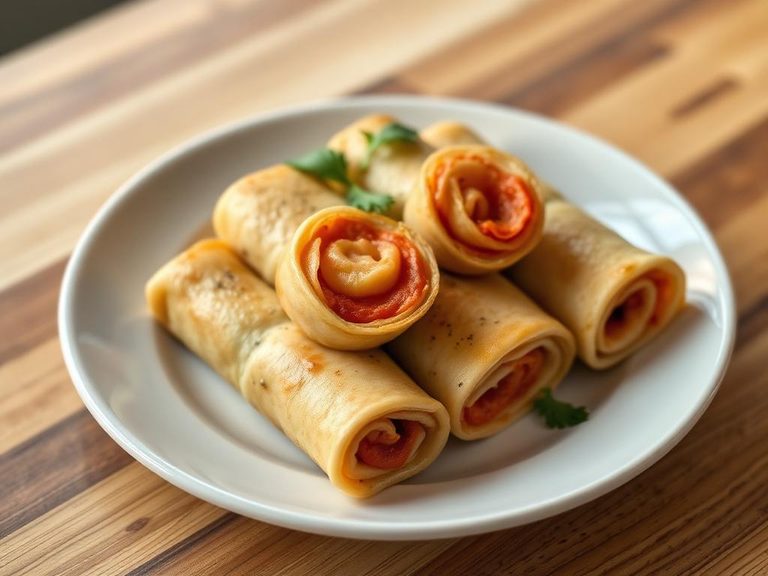
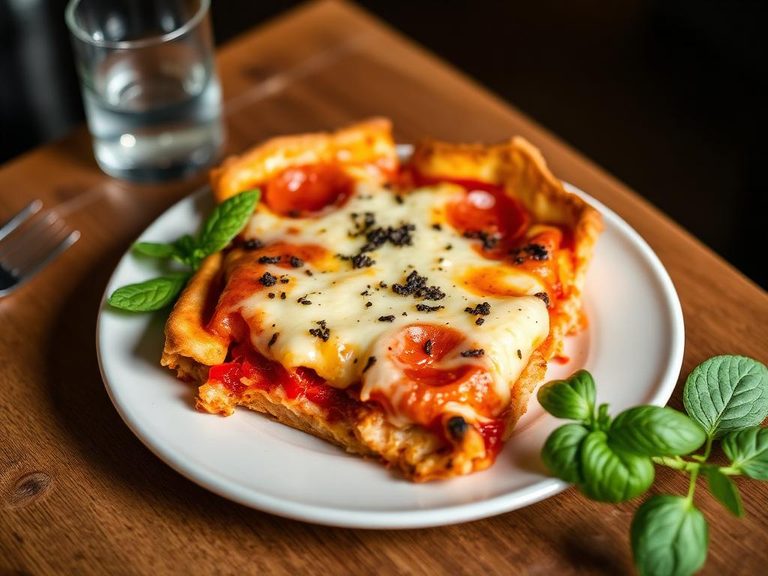
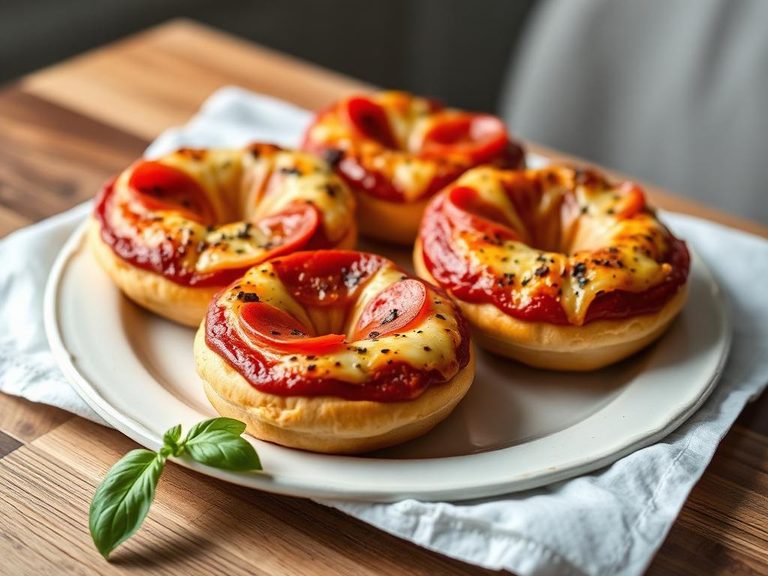
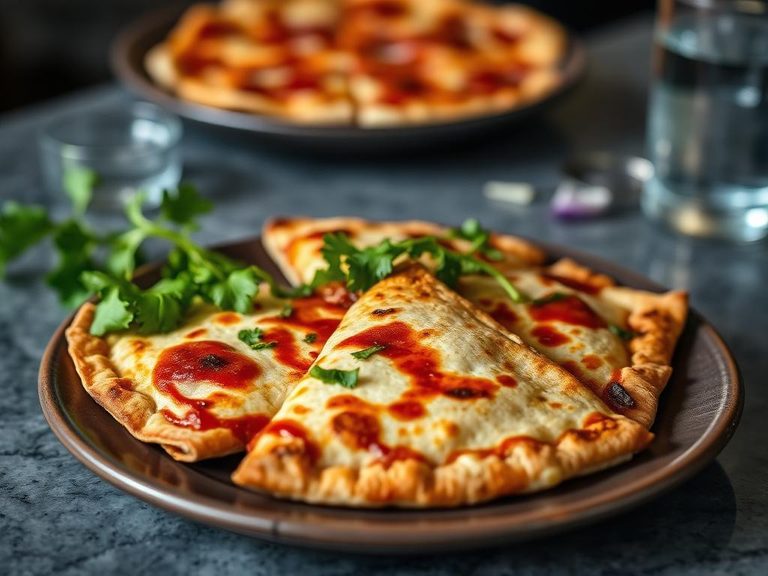
🍽️ Popular dishes

🌍 Where it's eaten
💡 Did you know?
The 'rolled edge' or 'cornicione' on this pizza is a deliberate design choice in school meals to help contain the cheese and sauce, reducing mess for kids eating in a cafeteria setting.
Full nutrition (USDA data · scales with serving)
| Water | 48.0 g |
| Energy | 243 kcal |
| Energy | 1018 kj |
| Protein | 13.9 g |
| Total lipid (fat) | 8.8 g |
| Ash | 2.2 g |
| Carbohydrate, by difference | 27.1 g |
| Fiber, total dietary | 2.7 g |
| Total Sugars | 4.8 g |
| Glucose | 1.3 g |
| Fructose | 0.95 g |
| Lactose | 0.59 g |
| Maltose | 1.9 g |
| Calcium, Ca | 183 mg |
| Iron, Fe | 2.5 mg |
| Magnesium, Mg | 38.0 mg |
| Phosphorus, P | 270 mg |
| Potassium, K | 288 mg |
| Sodium, Na | 400 mg |
| Zinc, Zn | 1.7 mg |
| Vitamin C, total ascorbic acid | 0.40 mg |
| Thiamin | 0.23 mg |
| Riboflavin | 0.17 mg |
| Niacin | 3.1 mg |
| Vitamin B-6 | 0.10 mg |
| Vitamin B-12 | 2.0 ug |
| Retinol | 31.0 ug |
| Carotene, beta | 69.0 ug |
| Vitamin A, IU | 217 iu |
Fat & fatty acid profile (per 100g)
| Fatty acids, total saturated | 4.1 g |
| Fatty acids, total monounsaturated | 2.3 g |
| Fatty acids, total polyunsaturated | 1.0 g |
| Fatty acids, total trans | 0.30 g |
| Cholesterol | 18.0 mg |
FAQ
Is this pizza considered a healthy option?
It's a balanced school meal option, offering protein and whole grains, but it should be paired with vegetables and fruit for a complete, nutrient-dense lunch.
Can I reheat this pizza in the microwave?
Yes, but for best texture, reheat in an oven or toaster oven to keep the crust crispy; the microwave may make it chewy or soggy.
What makes it '51% Whole Grain'?
It means the crust is made with at least 51% whole wheat flour, which provides more fiber and nutrients than refined white flour.
Nutrient density (calculated · NRF9.3)
Nutrient Rich Foods index: beneficial nutrients (protein, fiber, vitamins, minerals) minus saturated fat, added sugar & sodium, per 100 kcal.
NRF9.3 index — Fulgoni, Keast & Drewnowski, 2009. Computed from USDA nutrients.
Weight-loss friendliness (composite index)
Energy density 2.43 kcal/g · 23% calories from protein · 2.7 g fiber · 4.8 g sugar per 100 g.
Composite of energy density (Rolls et al., 1999), protein & fiber satiety, minus sugar. A calculated heuristic — ranks satiety-per-calorie, not a clinical measure.
Dietary load (calculated from USDA values)
Potential renal acid load. Positive = acid-forming, negative = alkaline-forming.
Sodium-to-potassium ratio: 1.39 (lower is better — aim for ≤ 1)
Sodium:potassium per WHO potassium guidance. Computed from USDA nutrients.