Raspberries, raw
Whole food · Fruits and Fruit Juices
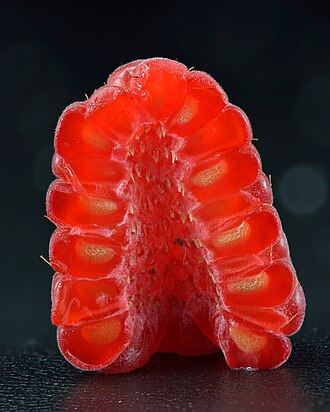
Photo: Wikipedia
A raw raspberry is a delicate, hollow drupelet cluster, bursting with a bright, tangy-sweet flavor and a soft, juicy texture that yields a pleasant seed crunch. Nutritionally, it's a low-calorie, hydrating fruit that provides a notable dose of vitamin C and manganese for its size, with its vibrant red color signaling a wealth of antioxidants.
💚 Why it's loved
People love raspberries for their perfect balance of sweet and tart flavors, which make them a versatile star in both sweet and savory dishes. Their jewel-like appearance and satisfying texture also make them a beloved garnish and a symbol of summer abundance in many cultures.
⚠️ Watch-outs & how to enjoy it better
The tiny seeds can be irritating for individuals with diverticulitis or sensitive digestive systems. To minimize this, one can blend them into smoothies, strain them for coulis, or consume them in moderation. Those monitoring blood sugar should pair them with a protein or fat (like yogurt or nuts) to slow the absorption of their natural sugars.
Key benefits
- Excellent source of vitamin C for immune support
- Provides manganese for bone health and metabolism
- Rich in antioxidants like ellagic acid and quercetin
- Low in calories, making it a weight-management friendly snack
- Contains natural compounds that may support heart health
🍽️ Popular dishes

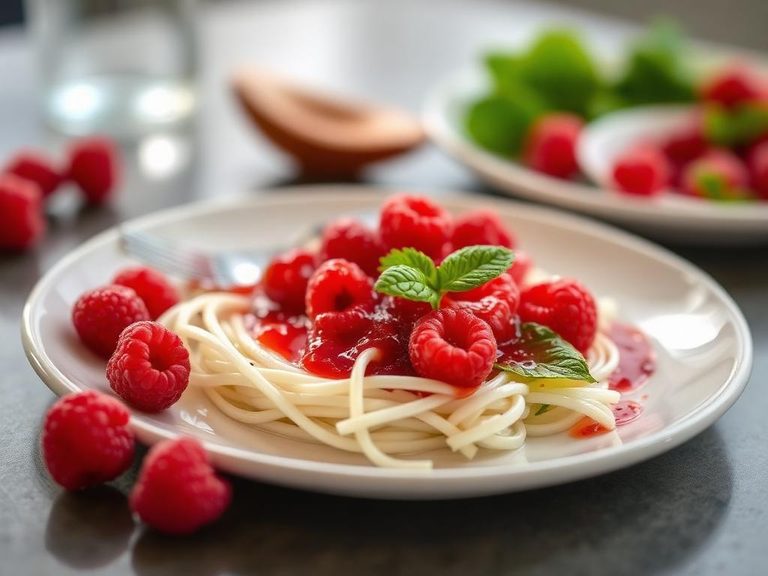

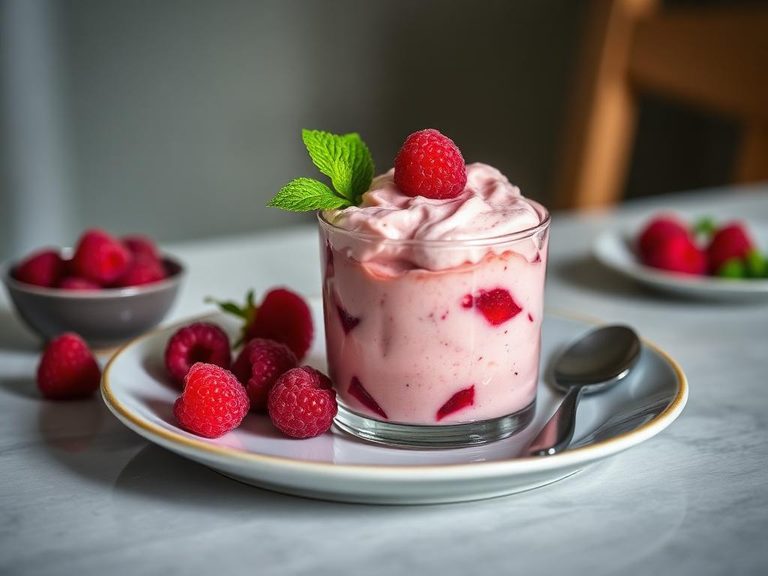
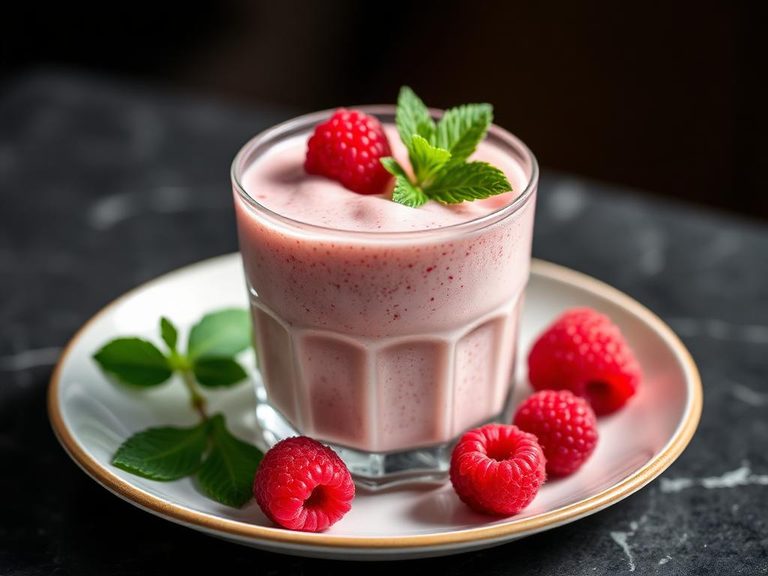
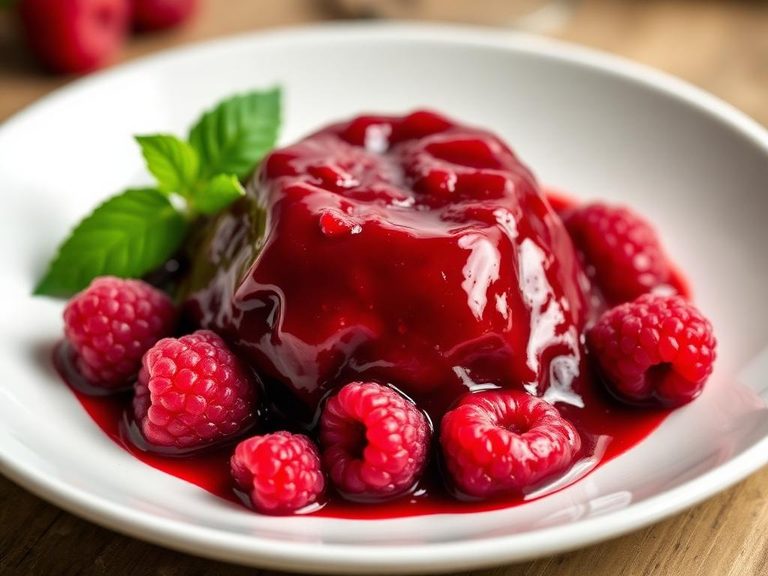
🌍 Where it's eaten
💡 Did you know?
The raspberry is not a true berry botanically; it's an aggregate fruit, with each tiny 'drupelet' containing its own seed, all clustered around a central core that is left behind when picked.
Full nutrition (scales with serving)
| Water | 85.5 g |
| Energy (Atwater General Factors) | 57.3 kcal |
| Energy (Atwater Specific Factors) | 51.4 kcal |
| Nitrogen | 0.16 g |
| Protein | 1.0 g |
| Total lipid (fat) | 0.19 g |
| Ash | 0.35 g |
| Carbohydrate, by difference | 12.9 g |
| Sugars, Total | 2.7 g |
| Sucrose | 0.00 g |
| Glucose | 0.99 g |
| Fructose | 1.7 g |
| Lactose | 0.00 g |
| Maltose | 0.00 g |
| Galactose | 0.00 g |
| Citric acid | 1740 mg |
| Malic acid | 54.1 mg |
| Oxalic acid | 0.00 mg |
| Pyruvic acid | 0.00 mg |
| Quinic acid | 0.00 mg |
| Calcium, Ca | 16.4 mg |
| Iron, Fe | 0.45 mg |
| Magnesium, Mg | 19.1 mg |
| Phosphorus, P | 27.5 mg |
| Potassium, K | 156 mg |
| Sodium, Na | 0.00 mg |
| Zinc, Zn | 0.22 mg |
| Copper, Cu | 0.05 mg |
| Manganese, Mn | 0.49 mg |
| Vitamin C, total ascorbic acid | 23.0 mg |
| Biotin | 3.0 ug |
FAQ
Why are my raspberries mushy?
Raspberries are extremely delicate and highly perishable. Mushiness is often due to physical bruising during handling, exposure to moisture, or simply being past their peak ripeness. Store them unwashed in a single layer on a paper towel in the refrigerator and consume within 1-2 days.
Can I eat the seeds?
Yes, the seeds are edible and a normal part of eating the fruit. They provide dietary fiber. However, for those with specific digestive conditions or who find the texture unpleasant, blending or straining the raspberries is a common solution.
What's the difference between red and black raspberries?
While related, they are different species. Red raspberries (Rubus idaeus) are more common, with a brighter, tarter flavor. Black raspberries (Rubus occidentalis) are darker, often with a deeper, more wine-like or earthy sweetness and a slightly different texture.