

Cereals ready-to-eat, QUAKER, Cap'n Crunch's OOPS! All Berries Cereal
Whole food · Breakfast Cereals

Photo: Wikipedia
Cap'n Crunch's OOPS! All Berries is a vibrant, berry-shaped cereal made from corn and oat flour, delivering a sweet, fruity punch in every bite. Its texture is a delightful mix of crunchy pieces that soften slightly in milk, creating a satisfying contrast. Nutritionally, it's a high-carb, high-sugar cereal, providing quick energy but little protein or fat.
Calorie split: 5% protein · 87% carbs · 9% fat
↓ Full nutrition💚 Why it's loved
People love it for its intense, nostalgic berry flavor and the fun, uniform shape that makes every spoonful a burst of sweetness. It's a cultural staple for a quick, comforting breakfast or snack, often enjoyed straight from the box.
⚠️ Watch-outs & how to enjoy it better
Its very high sugar content (over 44g per 100g) can lead to rapid blood sugar spikes and crashes, making it a poor choice for sustained energy. To counteract this, pair it with a source of protein and healthy fat, like a handful of nuts or a side of Greek yogurt, and practice strict portion control by using a measuring cup.
Key benefits
- Quick source of energy from carbohydrates
- Fortified with essential vitamins and minerals
- No artificial flavors
- Convenient and ready-to-eat
- Appealing to children and adults with a sweet tooth
🍽️ Popular dishes
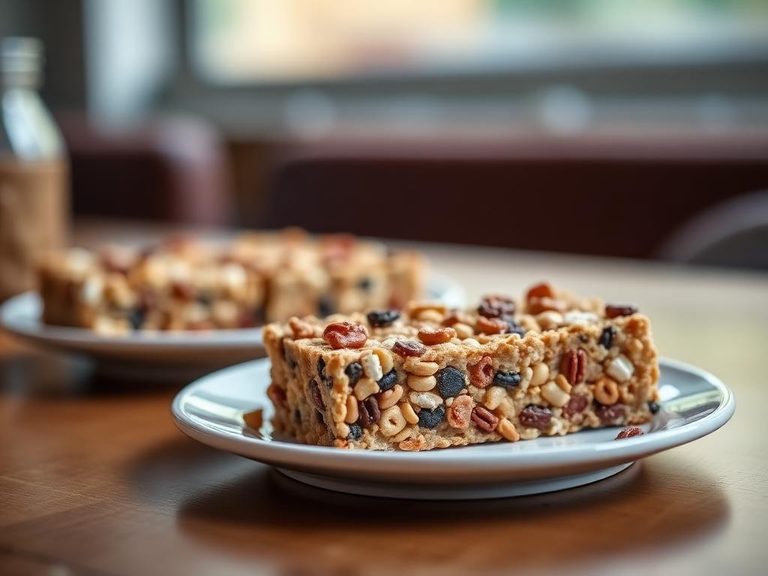
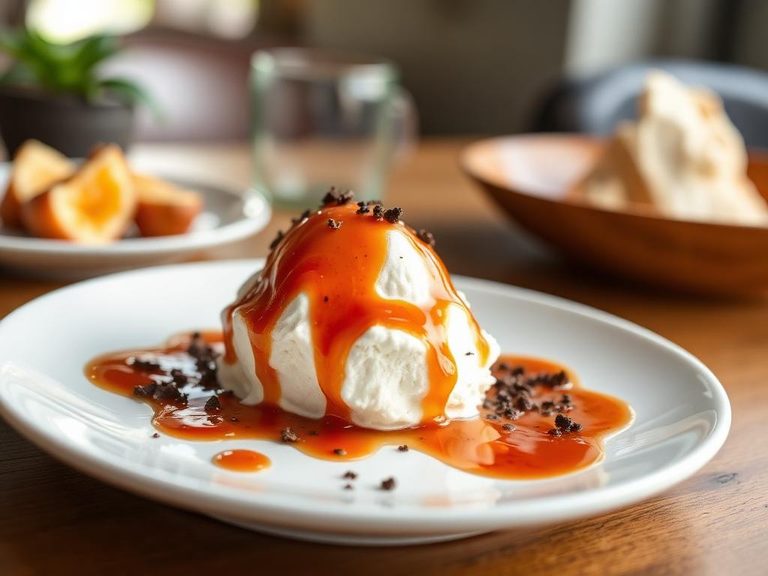
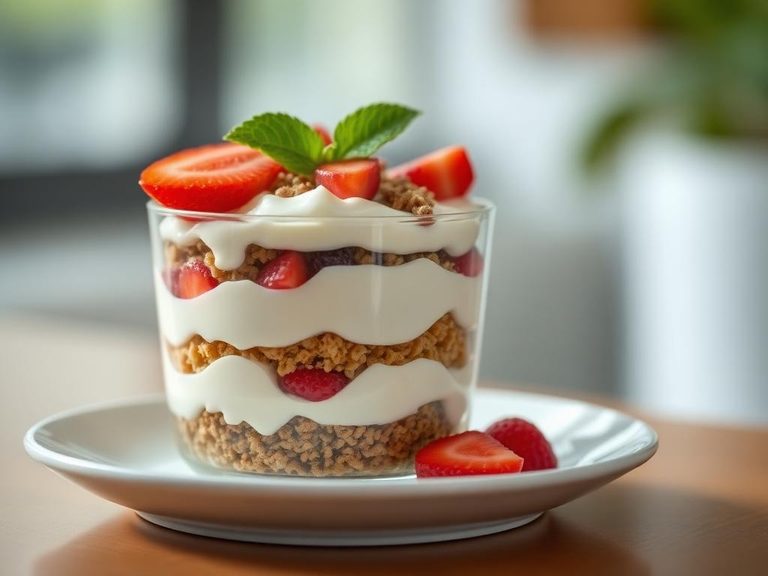
🌍 Where it's eaten
💡 Did you know?
The 'OOPS!' in the name is a playful nod to a fictional manufacturing 'mistake' where the cereal was made with only berry pieces, omitting the usual corn and oat shapes.
Full nutrition (USDA data · scales with serving)
| Water | 2.5 g |
| Energy | 395 kcal |
| Energy | 1653 kj |
| Protein | 4.6 g |
| Total lipid (fat) | 4.0 g |
| Ash | 1.8 g |
| Carbohydrate, by difference | 87.1 g |
| Fiber, total dietary | 2.6 g |
| Total Sugars | 44.2 g |
| Calcium, Ca | 11.0 mg |
| Iron, Fe | 21.6 mg |
| Magnesium, Mg | 56.0 mg |
| Phosphorus, P | 170 mg |
| Potassium, K | 189 mg |
| Sodium, Na | 637 mg |
| Zinc, Zn | 18.0 mg |
| Vitamin C, total ascorbic acid | 0.40 mg |
| Thiamin | 1.8 mg |
| Riboflavin | 2.0 mg |
| Niacin | 24.0 mg |
| Vitamin B-6 | 2.4 mg |
| Folate, total | 1353 ug |
| Vitamin B-12 | 0.00 ug |
| Vitamin A, IU | 150 iu |
| Vitamin E (alpha-tocopherol) | 0.63 mg |
Fat & fatty acid profile (per 100g)
| Fatty acids, total saturated | 2.3 g |
| Fatty acids, total monounsaturated | 0.59 g |
| Fatty acids, total polyunsaturated | 0.76 g |
| Fatty acids, total trans | 0.01 g |
| Cholesterol | 0.00 mg |
FAQ
Is this cereal gluten-free?
No, it contains oat flour, which is often processed in facilities that handle wheat, and the product itself is not certified gluten-free.
Why is it called 'OOPS! All Berries'?
It's a marketing theme suggesting a fun 'accident' where the factory only produced the berry-shaped pieces, leaving out the other shapes.
Can I eat this on a low-sugar diet?
It is not recommended, as a single serving contains a significant amount of added sugar, which can hinder low-sugar dietary goals.
Nutrient density (calculated · NRF9.3)
Nutrient Rich Foods index: beneficial nutrients (protein, fiber, vitamins, minerals) minus saturated fat, added sugar & sodium, per 100 kcal.
NRF9.3 index — Fulgoni, Keast & Drewnowski, 2009. Computed from USDA nutrients.
Weight-loss friendliness (composite index)
Energy density 3.95 kcal/g · 5% calories from protein · 2.6 g fiber · 44.2 g sugar per 100 g.
Composite of energy density (Rolls et al., 1999), protein & fiber satiety, minus sugar. A calculated heuristic — ranks satiety-per-calorie, not a clinical measure.
Dietary load (calculated from USDA values)
Potential renal acid load. Positive = acid-forming, negative = alkaline-forming.
Sodium-to-potassium ratio: 3.37 (lower is better — aim for ≤ 1)
Sodium:potassium per WHO potassium guidance. Computed from USDA nutrients.