

Alcoholic Beverage, wine, table, red, Sangiovese
Whole food · Beverages

Photo: Wikipedia
Sangiovese is the quintessential red grape of Tuscany, producing wines with a vibrant ruby color, a medium body, and a signature bright acidity. Its flavor profile is a captivating blend of tart cherry, plum, and earthy notes, often with hints of dried herbs, leather, and a savory, mouthwatering finish. Nutritionally, it's a low-calorie alcoholic beverage, providing about 86 calories per 100ml with negligible protein, fat, or sugar.
Calorie split: 3% protein · 97% carbs · 0% fat
↓ Full nutrition💚 Why it's loved
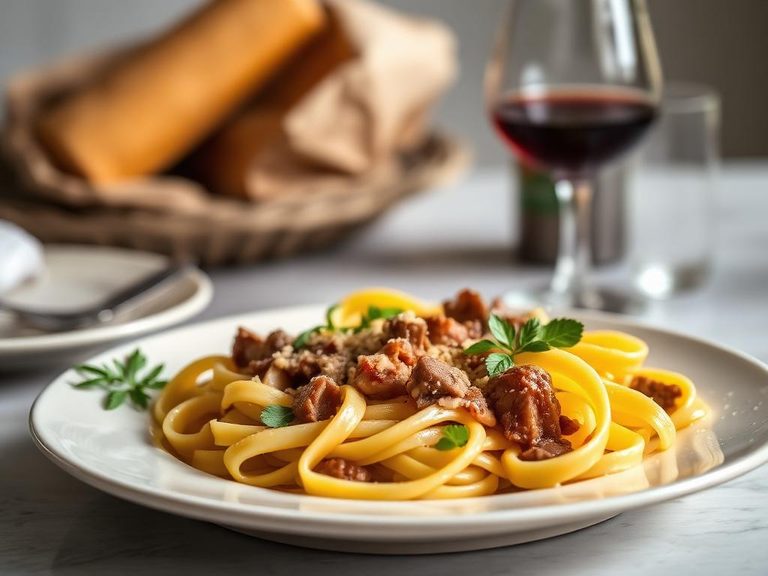
People adore Sangiovese for its incredible versatility at the table, as its high acidity and savory character cut through rich, fatty foods and tomato-based sauces beautifully. It's deeply tied to the culture and landscape of Tuscany, offering a taste of Italian tradition in every glass.
⚠️ Watch-outs & how to enjoy it better
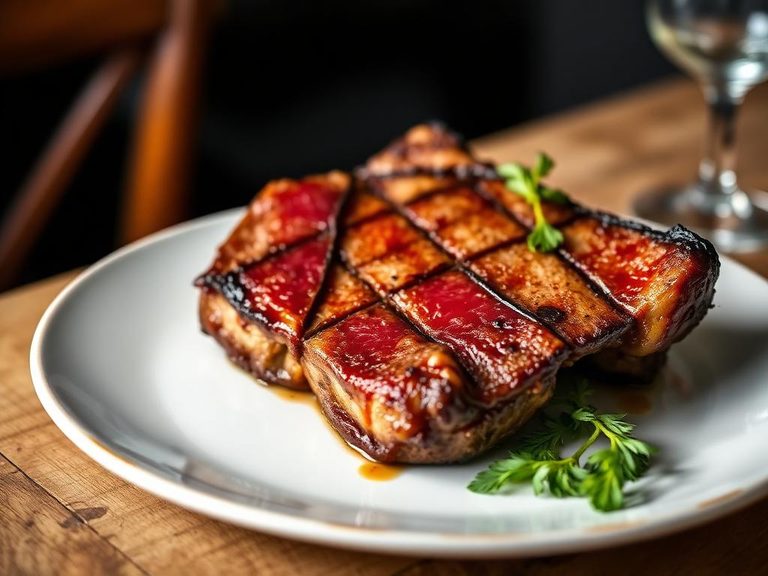
The high tannins and acidity can be harsh on an empty stomach or for those with sensitive digestion; it's best enjoyed with a meal. As an alcoholic beverage, it should be consumed in moderation, and those with alcohol sensitivities, liver conditions, or who are pregnant should avoid it. To counteract potential stomach irritation, pair it with a protein-rich dish like a grilled steak or a cheese platter to buffer the acidity.
Key benefits
- Contains polyphenols like resveratrol, which are studied for antioxidant properties.
- The bright acidity can stimulate appetite and aid digestion when consumed with food.
- Typically lower in alcohol (12-14% ABV) than many other red wines.
- A source of minerals like potassium and magnesium in trace amounts.
🍽️ Popular dishes
🌍 Where it's eaten
💡 Did you know?
Sangiovese is genetically one of the most diverse grape varieties in the world, with hundreds of clones, leading to a vast range of wine styles from simple everyday reds to profound, age-worthy masterpieces.
Full nutrition (USDA data · scales with serving)
| Water | 86.2 g |
| Energy | 86.0 kcal |
| Energy | 359 kj |
| Protein | 0.07 g |
| Total lipid (fat) | 0.00 g |
| Ash | 0.26 g |
| Carbohydrate, by difference | 2.6 g |
| Alcohol, ethyl | 10.9 g |
Fat & fatty acid profile (per 100g)
| Fatty acids, total trans | 0.00 g |
Amino acid profile (per 100g)
Estimated from Alcoholic beverage, distilled, vodka, 80 proof — USDA does not publish this profile for Alcoholic Beverage.
| Tryptophan | 0.00 g |
| Threonine | 0.00 g |
| Isoleucine | 0.00 g |
| Leucine | 0.00 g |
| Lysine | 0.00 g |
| Methionine | 0.00 g |
| Cystine | 0.00 g |
| Phenylalanine | 0.00 g |
| Tyrosine | 0.00 g |
| Valine | 0.00 g |
| Arginine | 0.00 g |
| Histidine | 0.00 g |
| Alanine | 0.00 g |
| Aspartic acid | 0.00 g |
| Glutamic acid | 0.00 g |
| Glycine | 0.00 g |
| Proline | 0.00 g |
| Serine | 0.00 g |
FAQ
What does Sangiovese taste like?
It typically features flavors of red cherry, plum, and tomato, with savory notes of dried herbs, leather, and earth. It's known for its high acidity and firm tannins.
What is the best food pairing for Sangiovese?
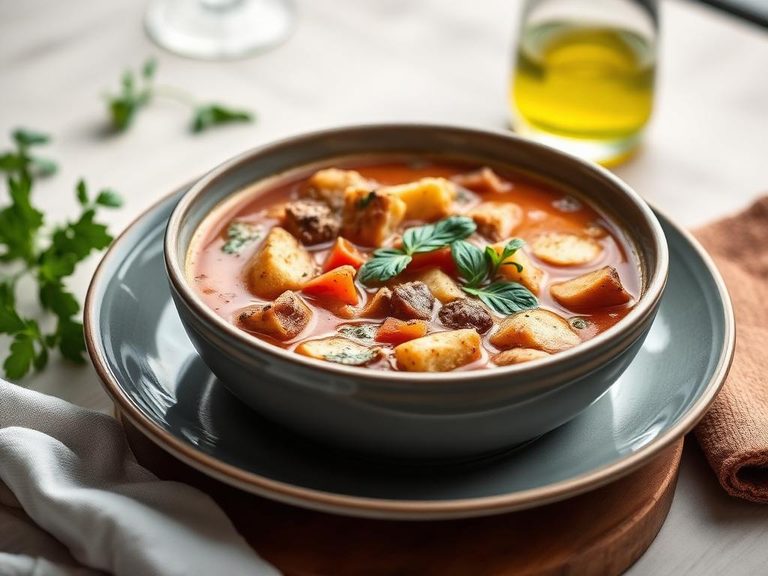
It excels with tomato-based pasta, grilled red meats, hard cheeses, and traditional Tuscan dishes like ribollita or bistecca alla fiorentina.
Is Sangiovese a dry or sweet wine?
Sangiovese is almost always produced as a dry red wine. The perception of fruitiness comes from its cherry and plum flavors, not residual sugar.
Weight-loss friendliness (composite index)
Energy density 0.86 kcal/g · 0% calories from protein · 0.0 g fiber · 0.0 g sugar per 100 g.
Composite of energy density (Rolls et al., 1999), protein & fiber satiety, minus sugar. A calculated heuristic — ranks satiety-per-calorie, not a clinical measure.