

Alcoholic Beverage, wine, table, red, Gamay
Whole food · Beverages

Photo: Wikipedia
Gamay is a light-bodied red wine, most famously from Beaujolais, known for its vibrant, juicy fruit flavors of cherry, raspberry, and cranberry, often with a hint of earthy or floral notes. Its thin skin results in low tannins, making it smooth and approachable, while its bright acidity keeps it refreshing. Nutritionally, it's a low-calorie alcoholic beverage with minimal protein and carbs, and no fat or sugar.
Calorie split: 3% protein · 97% carbs · 0% fat
↓ Full nutrition💚 Why it's loved
People love Gamay for its approachable, fruit-forward charm and lively acidity, which make it a versatile and crowd-pleasing wine for both casual sipping and food pairing. It's celebrated as the quintessential wine of Beaujolais, embodying a culture of convivial, early-drinking reds that are meant to be enjoyed young and fresh.
⚠️ Watch-outs & how to enjoy it better
Its light body and low tannins can be perceived as lacking complexity or structure by those who prefer bolder reds. For individuals monitoring alcohol intake or blood sugar, even moderate consumption requires portion control, as the carbs (2.38g/100ml) can add up. To counteract this, enjoy a standard 150ml glass with a meal containing protein and healthy fats to slow absorption, and be mindful of total daily calorie and carbohydrate intake.
Key benefits
- Low in calories (78 kcal per 100ml)
- Contains antioxidants like resveratrol from grape skins
- Low in tannins, making it gentle on the palate
- Typically lower in alcohol than many reds (11-13% ABV)
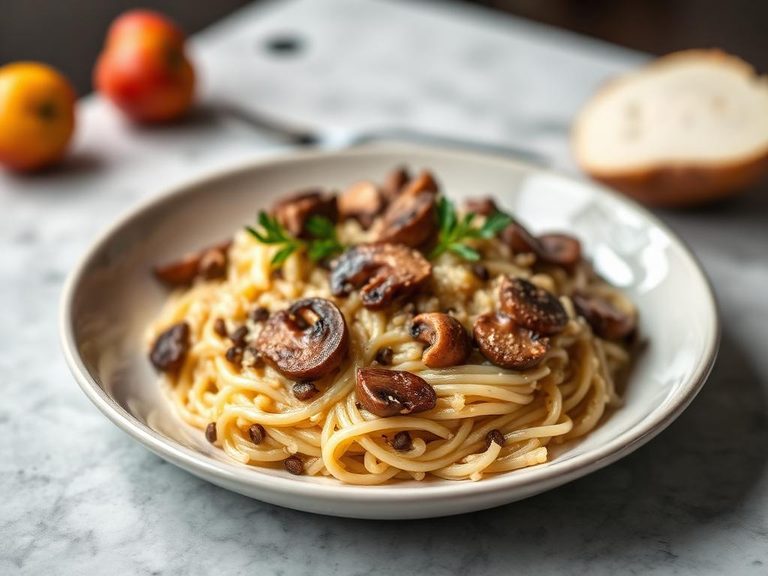
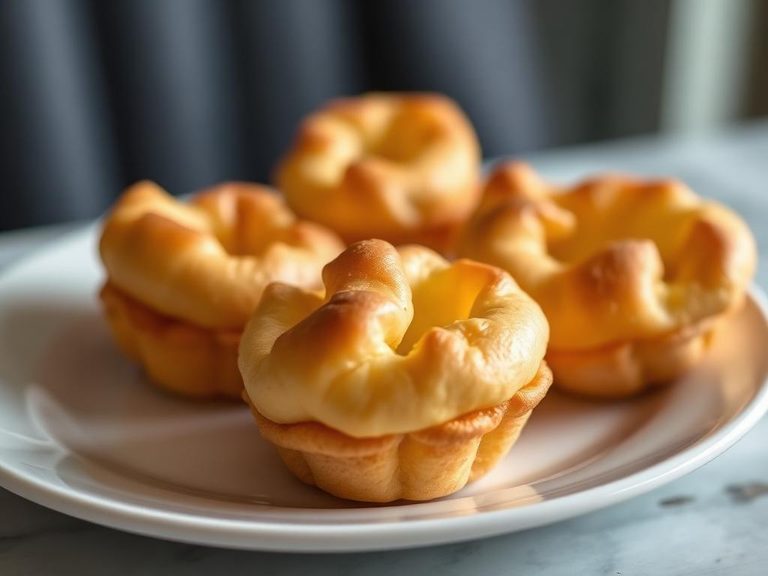
- Pairs well with a wide variety of foods
🍽️ Popular dishes
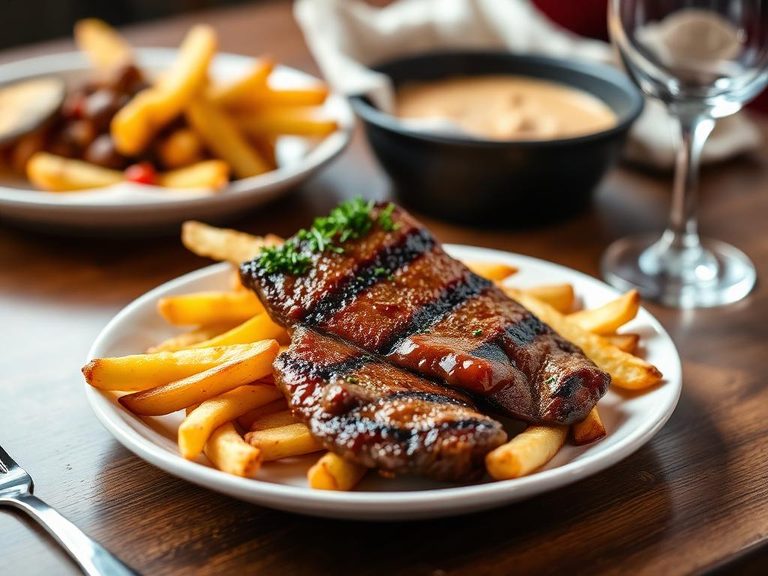
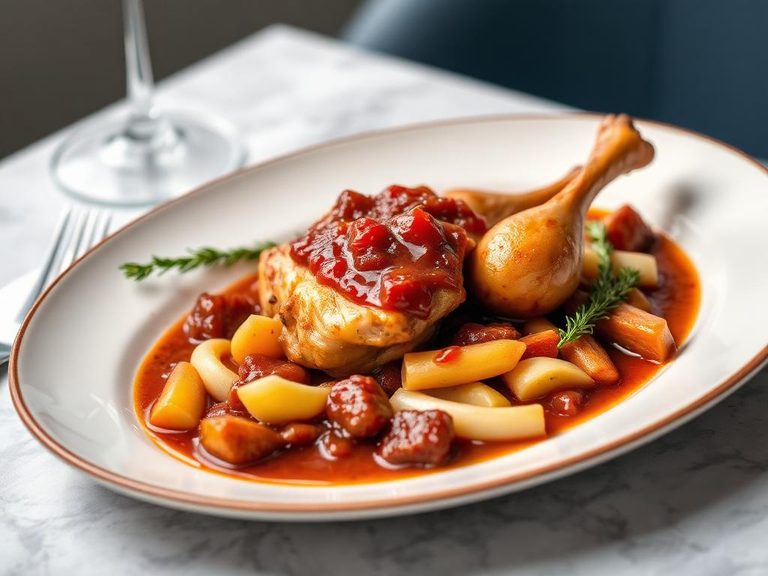
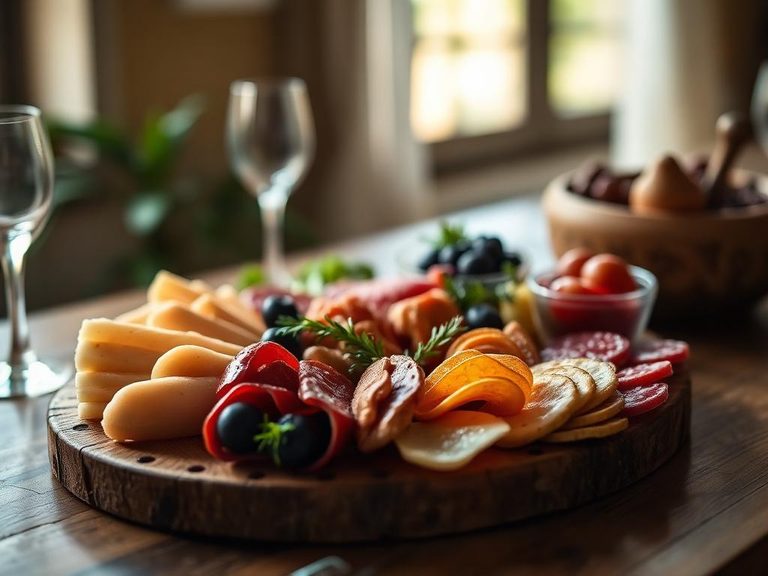
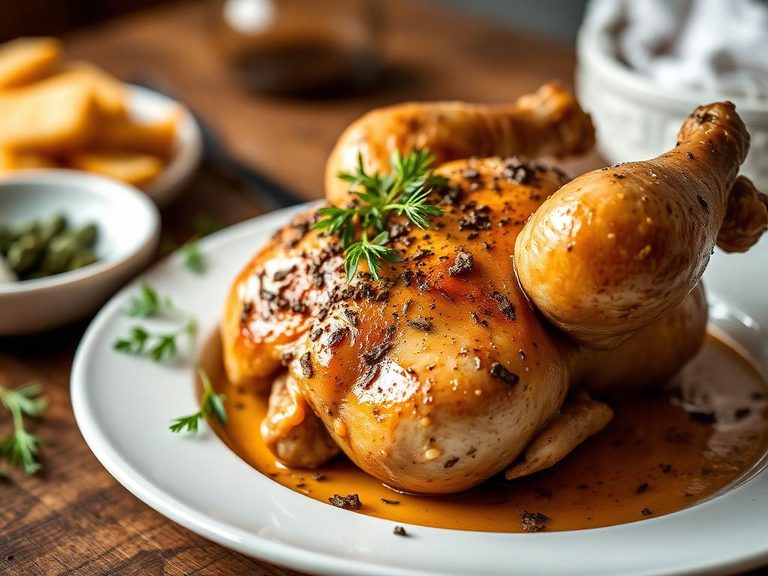
🌍 Where it's eaten
💡 Did you know?
The annual Beaujolais Nouveau Day, celebrating the first wine of the harvest, is a global event where bottles are transported from France to be released on the third Thursday of November at 12:01 AM.
Full nutrition (USDA data · scales with serving)
| Water | 87.5 g |
| Energy | 78.0 kcal |
| Energy | 326 kj |
| Protein | 0.07 g |
| Total lipid (fat) | 0.00 g |
| Ash | 0.21 g |
| Carbohydrate, by difference | 2.4 g |
| Alcohol, ethyl | 9.8 g |
Fat & fatty acid profile (per 100g)
| Fatty acids, total trans | 0.00 g |
Amino acid profile (per 100g)
Estimated from Alcoholic beverage, distilled, vodka, 80 proof — USDA does not publish this profile for Alcoholic Beverage.
| Tryptophan | 0.00 g |
| Threonine | 0.00 g |
| Isoleucine | 0.00 g |
| Leucine | 0.00 g |
| Lysine | 0.00 g |
| Methionine | 0.00 g |
| Cystine | 0.00 g |
| Phenylalanine | 0.00 g |
| Tyrosine | 0.00 g |
| Valine | 0.00 g |
| Arginine | 0.00 g |
| Histidine | 0.00 g |
| Alanine | 0.00 g |
| Aspartic acid | 0.00 g |
| Glutamic acid | 0.00 g |
| Glycine | 0.00 g |
| Proline | 0.00 g |
| Serine | 0.00 g |
FAQ
What does Gamay taste like?
Gamay is known for bright, juicy red fruit flavors like cherry, raspberry, and cranberry, often with floral or earthy notes. It has high acidity, low tannins, and a smooth, light-bodied texture.
Is Gamay a sweet or dry wine?
Gamay is typically made as a dry wine. Any perceived sweetness comes from its ripe fruit flavors, not residual sugar, as it contains 0g sugar per 100ml.
What is the best temperature to serve Gamay?
Serve Gamay slightly chilled, around 55-60°F (13-15°C), to highlight its fresh fruit and acidity. This is cooler than most red wines but warmer than white wines.
How does Gamay differ from Pinot Noir?
Both are light-bodied reds, but Gamay is generally fruitier, with brighter acidity and even softer tannins. Pinot Noir often has more earthy, savory complexity and a slightly fuller body.
Weight-loss friendliness (composite index)
Energy density 0.78 kcal/g · 0% calories from protein · 0.0 g fiber · 0.0 g sugar per 100 g.
Composite of energy density (Rolls et al., 1999), protein & fiber satiety, minus sugar. A calculated heuristic — ranks satiety-per-calorie, not a clinical measure.