

Alcoholic Beverage, wine, table, red, Claret
Whole food · Beverages

Photo: Wikipedia
Claret is the traditional British term for red Bordeaux wines, typically a blend dominated by Cabernet Sauvignon and Merlot. It offers a dry, medium-bodied profile with flavors of blackcurrant, cherry, and subtle cedar or tobacco, often with a smooth, tannic finish. Nutritionally, a standard 100g serving provides 83 kcal, primarily from 3g of carbohydrates, with negligible protein or fat.
Calorie split: 2% protein · 98% carbs · 0% fat
↓ Full nutrition💚 Why it's loved
People love Claret for its elegant complexity and versatility—it pairs beautifully with everything from a simple roast chicken to a rich steak, enhancing the meal without overpowering it. Its deep cultural heritage, tied to centuries of winemaking in Bordeaux, adds a layer of tradition and sophistication to any occasion.
⚠️ Watch-outs & how to enjoy it better
For those watching blood sugar or calories, the 3g of carbs per 100g can add up with multiple glasses, and alcohol itself can disrupt metabolic processes. Individuals with sulfite sensitivities or migraines should exercise caution. To counteract, practice strict portion control (e.g., one 118ml glass), pair with a protein- and fat-rich meal to slow absorption, and ensure adequate hydration.
Key benefits
- Contains polyphenols like resveratrol, which are antioxidants.
- May support heart health when consumed in moderation.
- Low in calories compared to many other alcoholic beverages.
- Carbohydrate content is moderate and sugar-free.
- Can be part of a balanced social ritual.
🍽️ Popular dishes
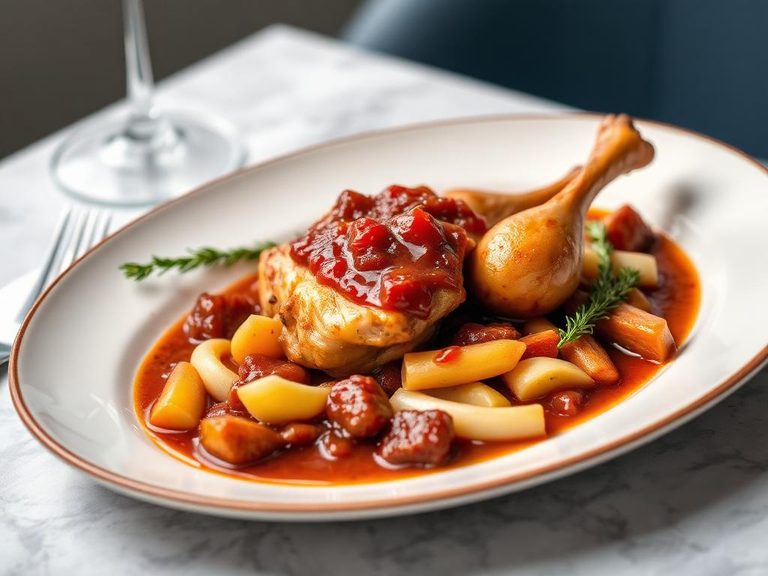
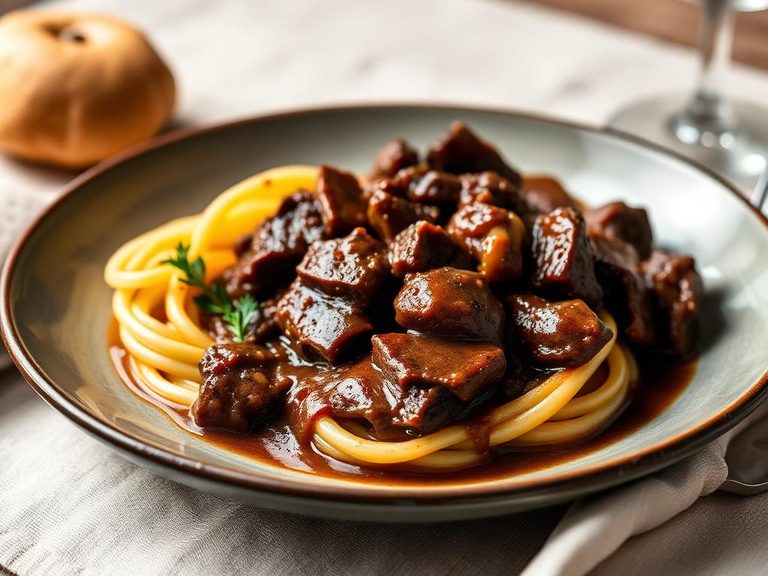
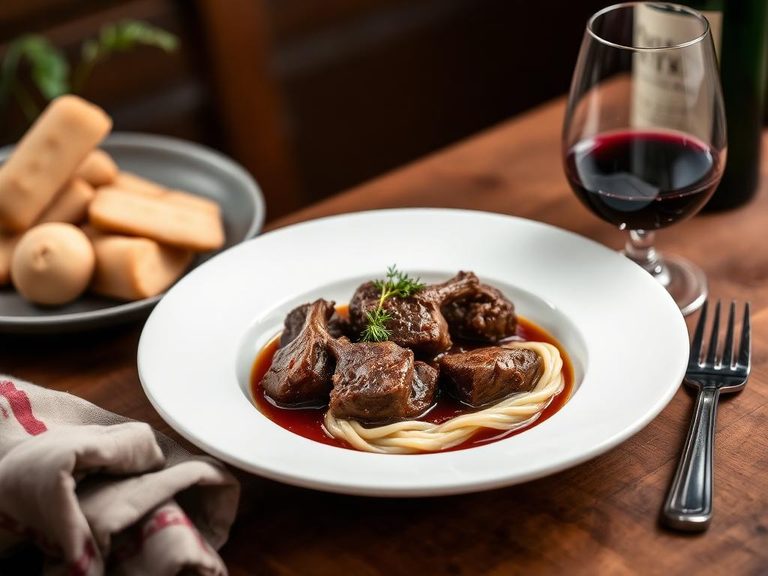
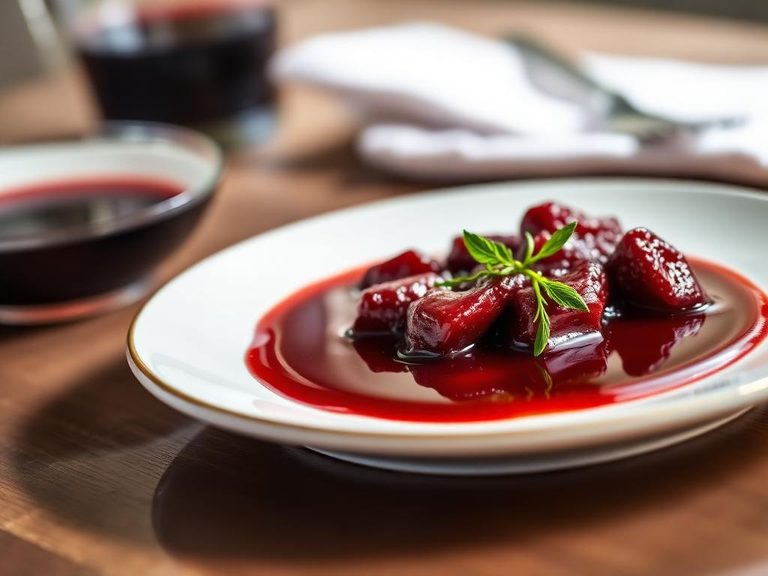
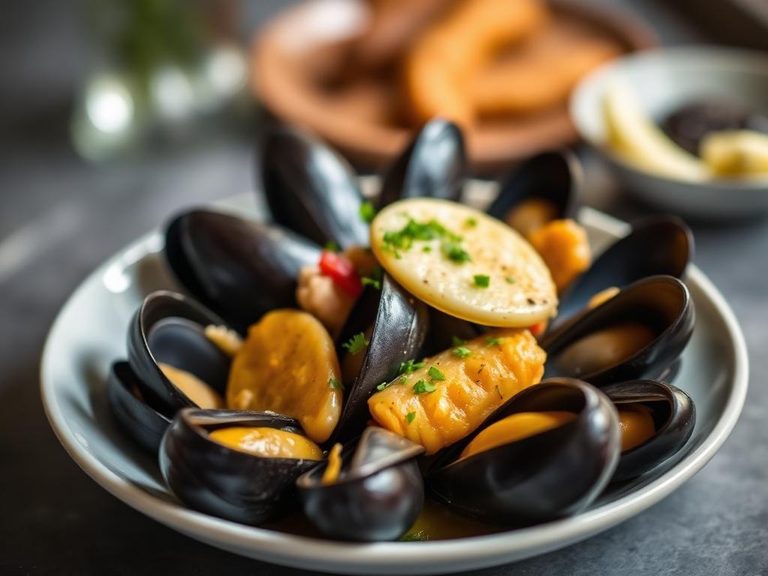
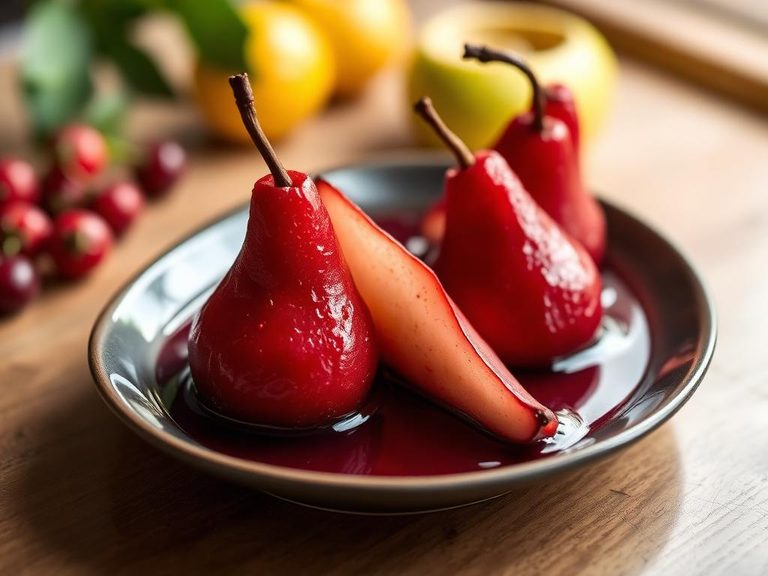
🌍 Where it's eaten
💡 Did you know?
The term 'Claret' is an anglicization of the French word 'clairet,' which historically described a pale red wine; it was later adopted by the British to specifically refer to the deeper red wines imported from Bordeaux.
Full nutrition (USDA data · scales with serving)
| Water | 86.4 g |
| Energy | 83.0 kcal |
| Energy | 348 kj |
| Protein | 0.07 g |
| Total lipid (fat) | 0.00 g |
| Ash | 0.29 g |
| Carbohydrate, by difference | 3.0 g |
| Alcohol, ethyl | 10.2 g |
Fat & fatty acid profile (per 100g)
| Fatty acids, total trans | 0.00 g |
Amino acid profile (per 100g)
Estimated from Alcoholic beverage, distilled, vodka, 80 proof — USDA does not publish this profile for Alcoholic Beverage.
| Tryptophan | 0.00 g |
| Threonine | 0.00 g |
| Isoleucine | 0.00 g |
| Leucine | 0.00 g |
| Lysine | 0.00 g |
| Methionine | 0.00 g |
| Cystine | 0.00 g |
| Phenylalanine | 0.00 g |
| Tyrosine | 0.00 g |
| Valine | 0.00 g |
| Arginine | 0.00 g |
| Histidine | 0.00 g |
| Alanine | 0.00 g |
| Aspartic acid | 0.00 g |
| Glutamic acid | 0.00 g |
| Glycine | 0.00 g |
| Proline | 0.00 g |
| Serine | 0.00 g |
FAQ
What is the difference between Claret and other red wines?
Claret is a specific term for red wines from the Bordeaux region of France, typically a blend of Cabernet Sauvignon, Merlot, and other permitted grapes. It often has a distinct style—medium-bodied with structured tannins—compared to, for example, a fruit-forward Pinot Noir from Burgundy.
Does Claret contain sugar?
According to the provided nutritional data, it contains 0g of sugar per 100g. Most dry table wines like Claret have very little residual sugar, with the calories coming almost entirely from alcohol and a small amount of carbohydrates.
How should I store an opened bottle of Claret?
Re-cork it tightly and store it in the refrigerator to slow oxidation. A standard Claret will keep for 3-5 days when refrigerated, though its fresh fruit notes will fade first, leaving more muted flavors.
Weight-loss friendliness (composite index)
Energy density 0.83 kcal/g · 0% calories from protein · 0.0 g fiber · 0.0 g sugar per 100 g.
Composite of energy density (Rolls et al., 1999), protein & fiber satiety, minus sugar. A calculated heuristic — ranks satiety-per-calorie, not a clinical measure.