

Alcoholic Beverage, wine, table, red, Cabernet Franc
Whole food · Beverages

Photo: Wikipedia
Cabernet Franc is a medium-bodied red wine with vibrant aromas of red berries, violets, and a distinctive herbal or peppery note. Its texture is typically smooth with softer tannins than its famous offspring, Cabernet Sauvignon, making it approachable yet complex. Nutritionally, it's a low-calorie alcoholic beverage, providing 83 kcal per 100ml with minimal protein and carbs.
Calorie split: 3% protein · 97% carbs · 0% fat
↓ Full nutrition💚 Why it's loved
People love Cabernet Franc for its aromatic complexity and food-friendly versatility, offering a more elegant and herbaceous alternative to bolder reds. It's cherished in wine culture for its role in classic blends and its expression of terroir, especially in regions like the Loire Valley and Bordeaux.
⚠️ Watch-outs & how to enjoy it better
As an alcoholic beverage, it can contribute to blood sugar spikes due to its carb content and should be avoided by those with alcohol sensitivities, liver conditions, or during pregnancy. To counteract potential issues, practice strict portion control (e.g., one 5oz glass), consume with a protein-rich meal to slow alcohol absorption, and always drink responsibly.
Key benefits
- Source of antioxidants like resveratrol and flavonoids
- May support heart health in moderation
- Low in fat and sodium
- Contains small amounts of minerals like potassium
- Can be part of a balanced, social dining experience
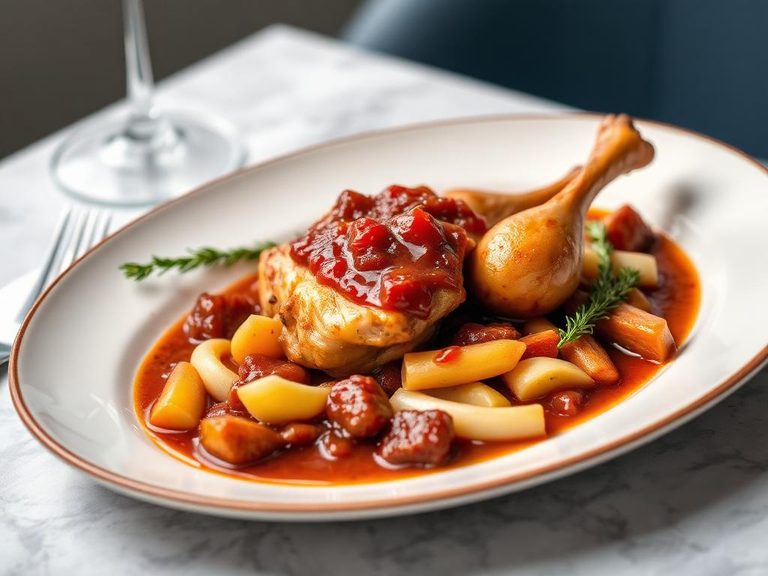
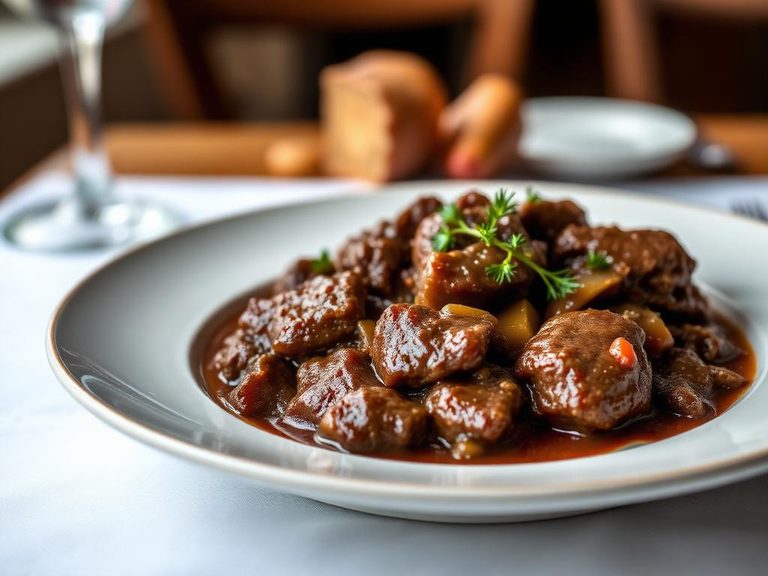
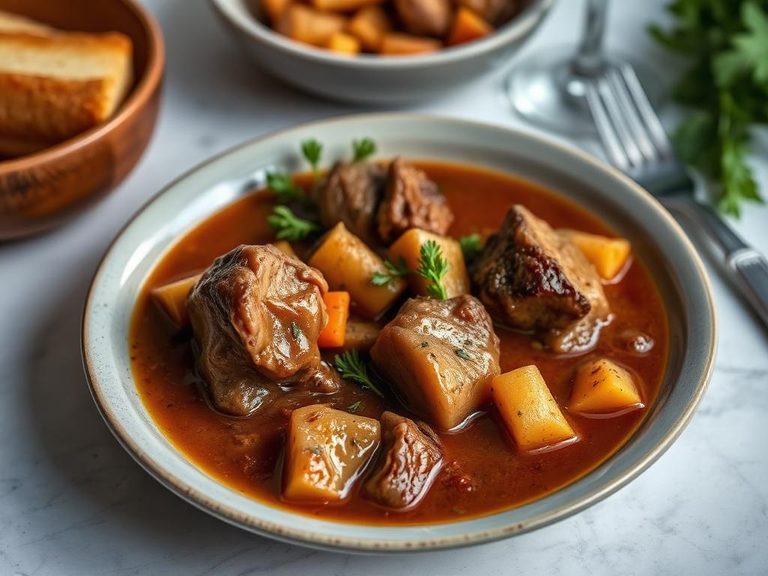
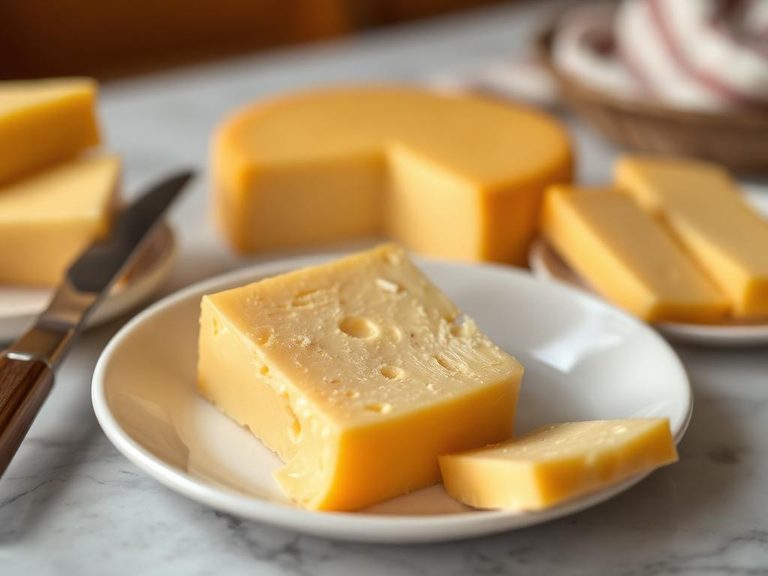
🍽️ Popular dishes
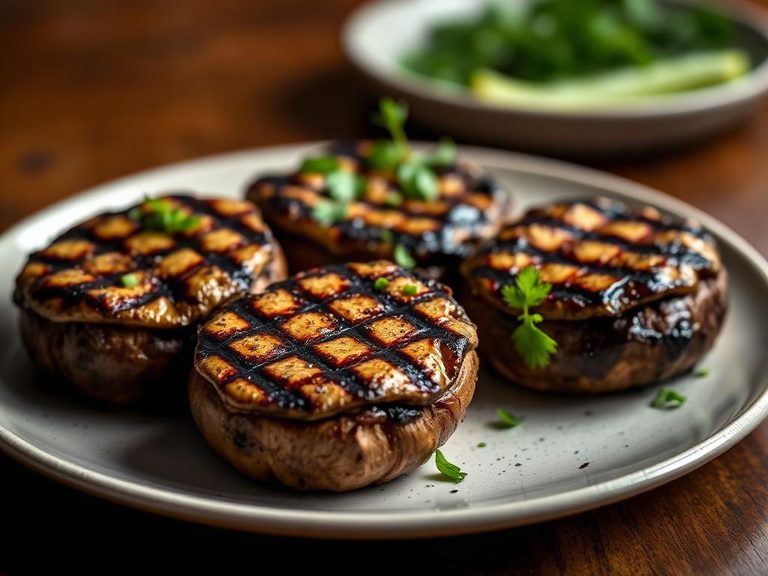
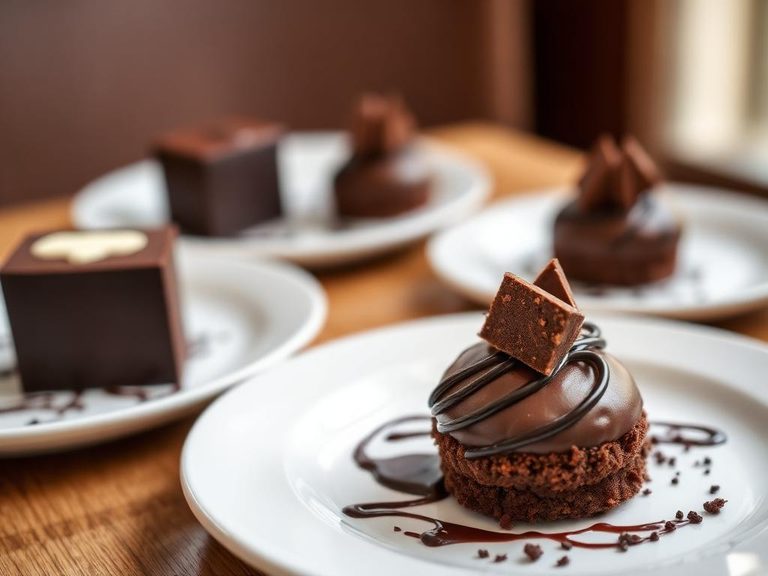
🌍 Where it's eaten
💡 Did you know?
Cabernet Franc is a parent grape of the world-famous Cabernet Sauvignon, resulting from a natural cross with Sauvignon Blanc.
Full nutrition (USDA data · scales with serving)
| Water | 86.6 g |
| Energy | 83.0 kcal |
| Energy | 349 kj |
| Protein | 0.07 g |
| Total lipid (fat) | 0.00 g |
| Ash | 0.27 g |
| Carbohydrate, by difference | 2.5 g |
| Alcohol, ethyl | 10.6 g |
Fat & fatty acid profile (per 100g)
| Fatty acids, total trans | 0.00 g |
Amino acid profile (per 100g)
Estimated from Alcoholic beverage, distilled, vodka, 80 proof — USDA does not publish this profile for Alcoholic Beverage.
| Tryptophan | 0.00 g |
| Threonine | 0.00 g |
| Isoleucine | 0.00 g |
| Leucine | 0.00 g |
| Lysine | 0.00 g |
| Methionine | 0.00 g |
| Cystine | 0.00 g |
| Phenylalanine | 0.00 g |
| Tyrosine | 0.00 g |
| Valine | 0.00 g |
| Arginine | 0.00 g |
| Histidine | 0.00 g |
| Alanine | 0.00 g |
| Aspartic acid | 0.00 g |
| Glutamic acid | 0.00 g |
| Glycine | 0.00 g |
| Proline | 0.00 g |
| Serine | 0.00 g |
FAQ
How does Cabernet Franc differ from Cabernet Sauvignon?
Cabernet Franc is generally lighter-bodied with softer tannins and more pronounced herbal, floral, and red fruit notes (like raspberry and violet), whereas Cabernet Sauvignon is fuller-bodied with firmer tannins and darker fruit flavors (like blackcurrant).
What is the ideal serving temperature for Cabernet Franc?
It is best served slightly below room temperature, around 60-65°F (15-18°C), to balance its aromatic intensity and acidity.
Is Cabernet Franc sweet or dry?
It is typically a dry red wine, though its ripe red fruit flavors can give a perception of fruitiness without actual sugar.
Weight-loss friendliness (composite index)
Energy density 0.83 kcal/g · 0% calories from protein · 0.0 g fiber · 0.0 g sugar per 100 g.
Composite of energy density (Rolls et al., 1999), protein & fiber satiety, minus sugar. A calculated heuristic — ranks satiety-per-calorie, not a clinical measure.