

Alcoholic Beverage, wine, table, red, Barbera
Whole food · Beverages

Photo: Wikipedia
Barbera is a bold, deeply colored Italian red wine known for its vibrant acidity and juicy dark cherry and plum flavors. It typically offers a smooth, medium-to-full body with soft tannins, making it highly drinkable. Nutritionally, it provides a modest 85 kcal per 100g, with negligible protein and fat, and a small amount of carbohydrates.
Calorie split: 2% protein · 98% carbs · 0% fat
↓ Full nutrition💚 Why it's loved
People love Barbera for its approachable, fruit-forward character and food-friendly acidity that cuts through rich dishes. Its versatility allows it to pair well with everything from pizza to hearty stews, making it a staple in Italian dining culture.
⚠️ Watch-outs & how to enjoy it better
Its high acidity can trigger heartburn or acid reflux in sensitive individuals. To counteract this, consume it with a balanced meal (not on an empty stomach) and stick to a single glass. The alcohol content also means it should be avoided by those with liver conditions, pregnant individuals, or anyone avoiding alcohol for health reasons.
Key benefits
- Rich in antioxidants like resveratrol and anthocyanins
- May support heart health when consumed in moderation
- Contains polyphenols that can have anti-inflammatory properties
- Low in sodium and contains no fat or cholesterol
- Can be part of a balanced diet as an occasional treat
🍽️ Popular dishes
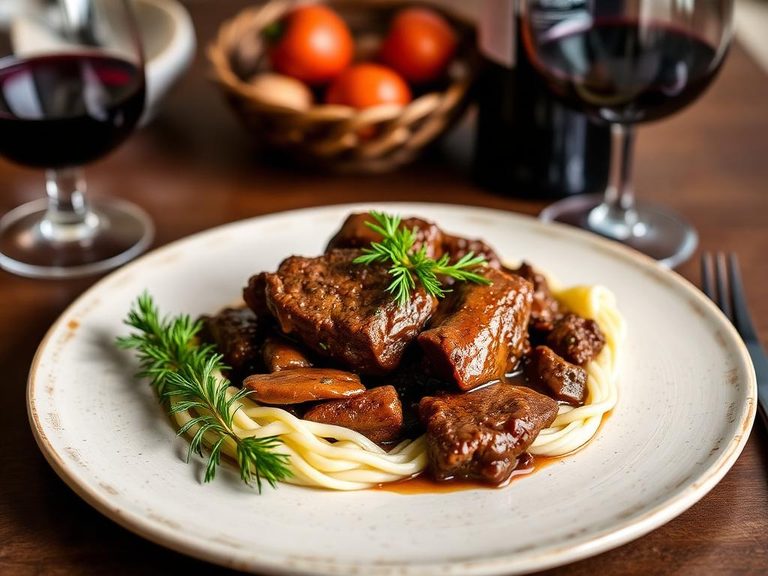
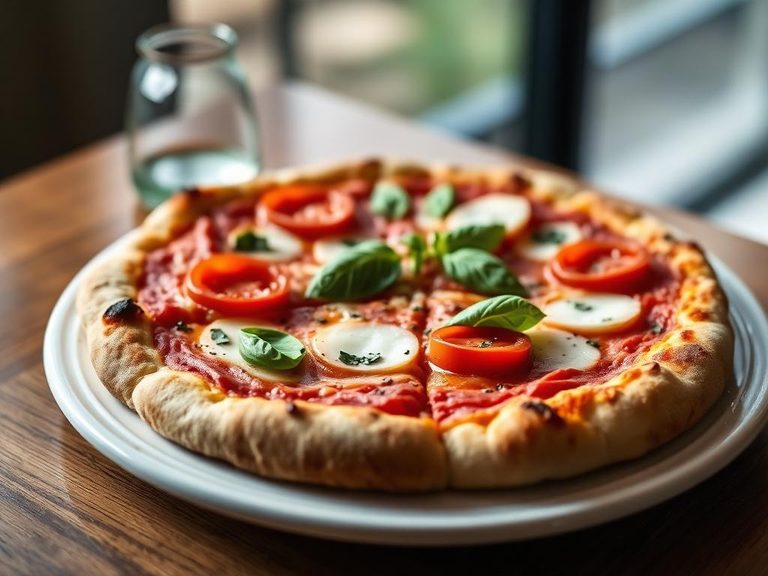
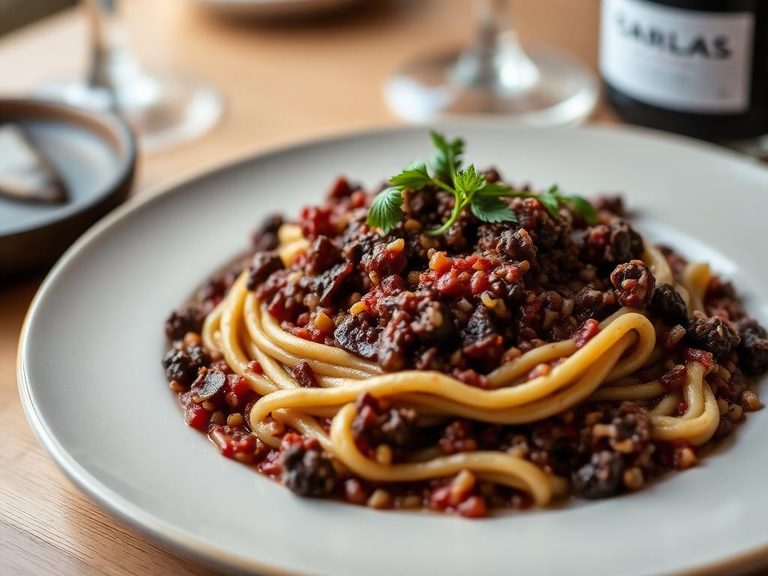
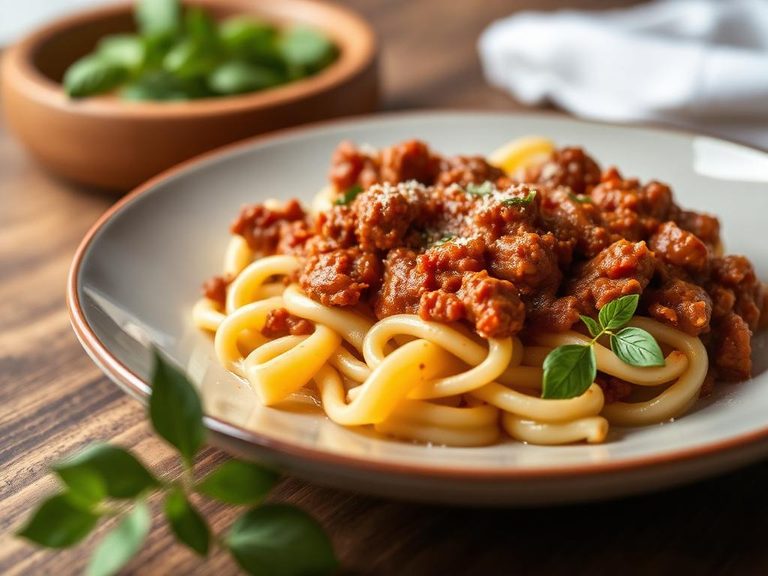
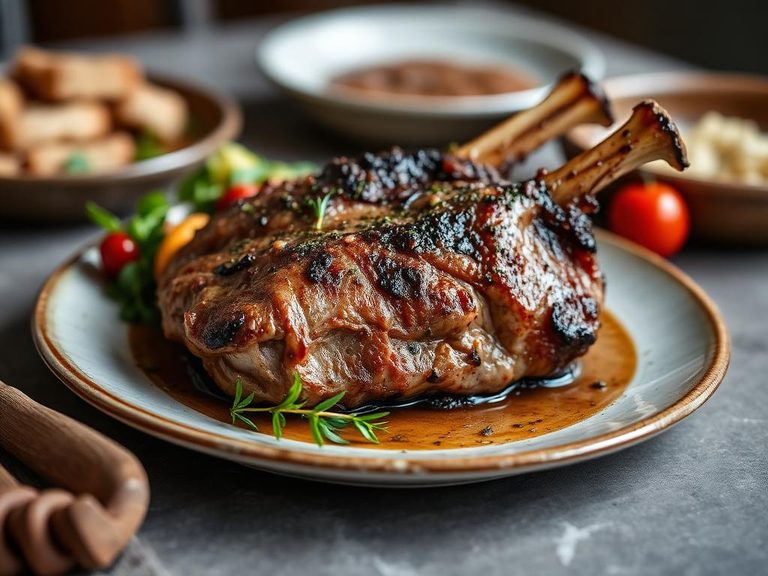
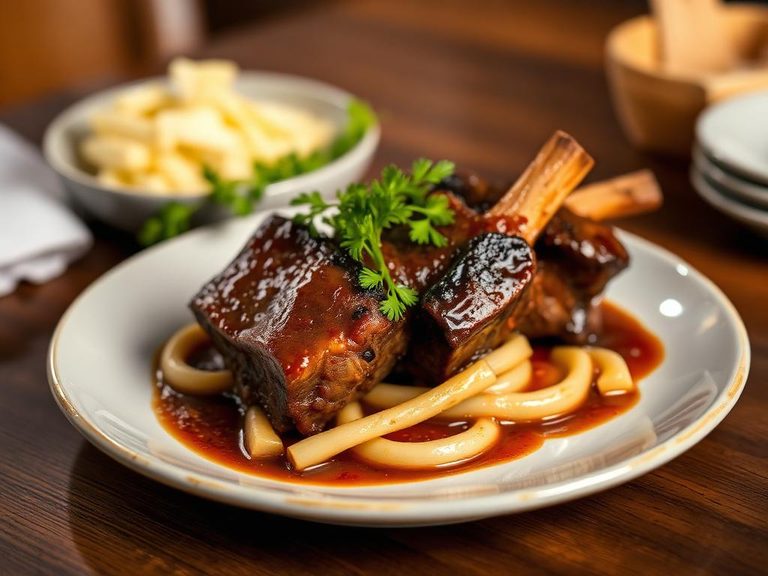
🌍 Where it's eaten
💡 Did you know?
Barbera is the third most planted red grape variety in Italy, after Sangiovese and Montepulciano, and is often called the 'people's wine' of Piedmont for its everyday drinkability.
Full nutrition (USDA data · scales with serving)
| Water | 86.3 g |
| Energy | 85.0 kcal |
| Energy | 355 kj |
| Protein | 0.07 g |
| Total lipid (fat) | 0.00 g |
| Ash | 0.23 g |
| Carbohydrate, by difference | 2.8 g |
| Alcohol, ethyl | 10.6 g |
Fat & fatty acid profile (per 100g)
| Fatty acids, total trans | 0.00 g |
Amino acid profile (per 100g)
Estimated from Alcoholic beverage, distilled, vodka, 80 proof — USDA does not publish this profile for Alcoholic Beverage.
| Tryptophan | 0.00 g |
| Threonine | 0.00 g |
| Isoleucine | 0.00 g |
| Leucine | 0.00 g |
| Lysine | 0.00 g |
| Methionine | 0.00 g |
| Cystine | 0.00 g |
| Phenylalanine | 0.00 g |
| Tyrosine | 0.00 g |
| Valine | 0.00 g |
| Arginine | 0.00 g |
| Histidine | 0.00 g |
| Alanine | 0.00 g |
| Aspartic acid | 0.00 g |
| Glutamic acid | 0.00 g |
| Glycine | 0.00 g |
| Proline | 0.00 g |
| Serine | 0.00 g |
FAQ
How does Barbera differ from other Italian reds like Sangiovese or Nebbiolo?
Barbera is typically more acidic and fruit-driven with softer tannins, making it less austere than Nebbiolo (Barolo) and often more vibrant than Sangiovese. It's considered more approachable in its youth.
What is the ideal serving temperature for Barbera?
Serve it slightly cool, around 16-18°C (60-64°F), to highlight its bright acidity and fresh fruit notes without muting its flavors.
Can Barbera be aged?
While most Barbera is meant to be enjoyed young (within 3-5 years), high-quality examples from specific subregions like Nizza or Barbera d'Asti Superiore can age for a decade or more, developing more complex earthy and leather notes.
Weight-loss friendliness (composite index)
Energy density 0.85 kcal/g · 0% calories from protein · 0.0 g fiber · 0.0 g sugar per 100 g.
Composite of energy density (Rolls et al., 1999), protein & fiber satiety, minus sugar. A calculated heuristic — ranks satiety-per-calorie, not a clinical measure.