

Walrus, meat, raw (Alaska Native)
Whole food · American Indian/Alaska Native Foods

Photo: Wikipedia
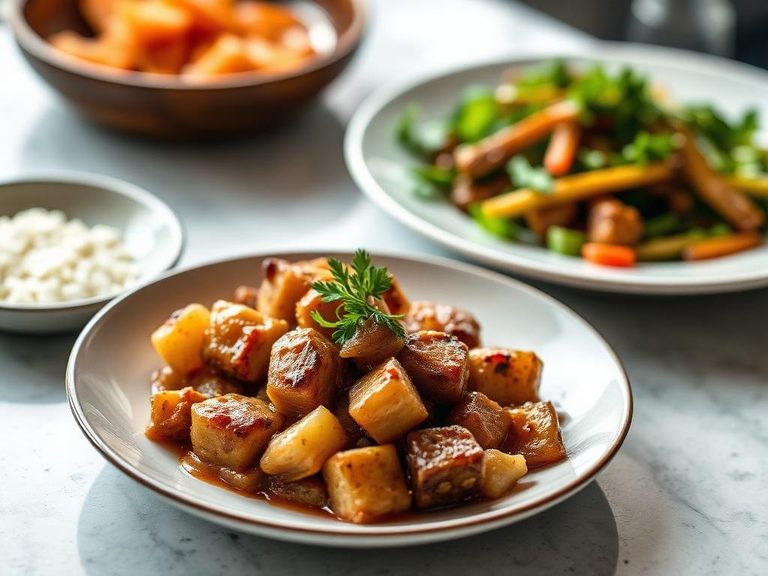
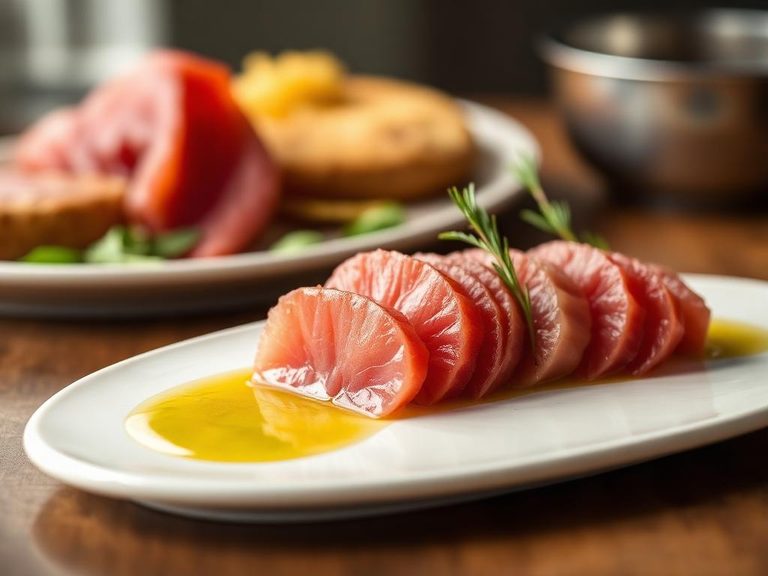
Raw walrus meat, known as 'uqsruq' in Yup'ik, is a dense, iron-rich marine mammal muscle with a deep, gamey flavor and a texture often compared to raw tuna or beef liver. Its strikingly high fat content, primarily omega-3s, gives it a smooth, almost buttery mouthfeel when sliced thin. Nutritionally, it's a powerhouse of protein and healthy fats, providing sustained energy in harsh Arctic climates.
Calorie split: 39% protein · 0% carbs · 61% fat
↓ Full nutrition💚 Why it's loved
It is deeply loved for its profound cultural significance and the unique, rich taste that connects people to ancestral traditions and the Arctic environment. The versatility in preparation—from raw to dried or fermented—allows for a wide range of beloved traditional dishes.
⚠️ Watch-outs & how to enjoy it better
The strong, gamey flavor and dense texture can be unfamiliar or off-putting to those outside the culture. As with any wild game, there is a risk of parasites, so it must be properly handled and prepared, often by freezing or traditional fermentation. Those with gout should be cautious due to its high purine content.
Key benefits
- Exceptionally high in complete protein for muscle maintenance.
- Rich in long-chain omega-3 fatty acids (EPA & DHA) for heart and brain health.
- An excellent source of heme iron, which is highly bioavailable.
- Provides essential vitamins like B12 and minerals like selenium.
- A traditional, nutrient-dense food central to subsistence diets.
🍽️ Popular dishes
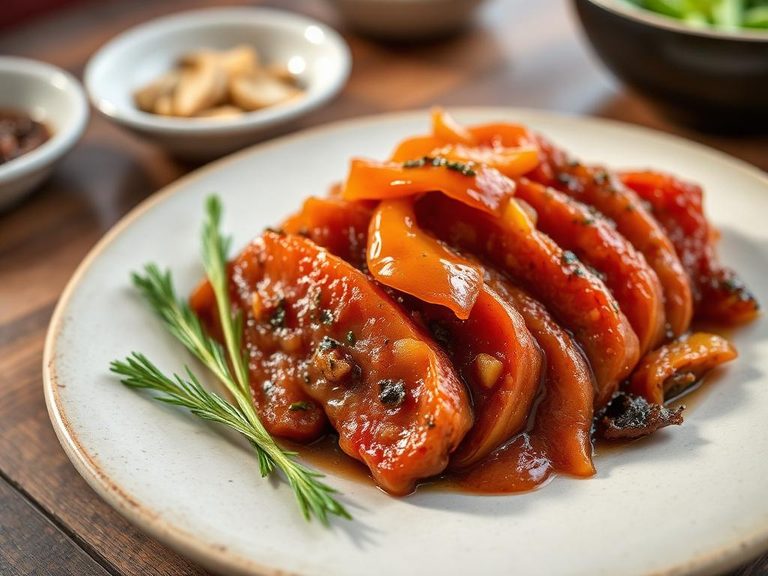
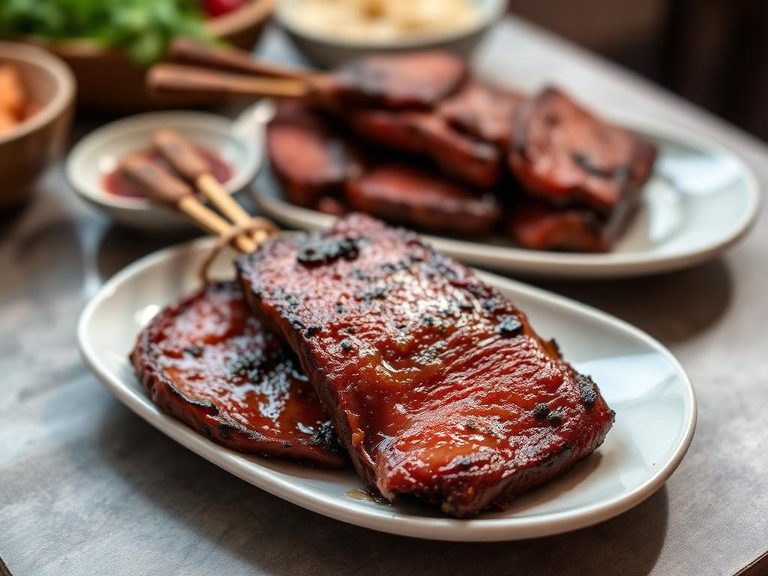
🌍 Where it's eaten
💡 Did you know?
A single adult walrus can yield over 300 pounds of edible meat and blubber, making it one of the most significant traditional food sources for coastal Arctic communities.
Full nutrition (USDA data · scales with serving)
| Water | 65.1 g |
| Energy | 199 kcal |
| Energy | 833 kj |
| Protein | 19.2 g |
| Total lipid (fat) | 13.6 g |
| Ash | 2.1 g |
| Carbohydrate, by difference | 0.00 g |
| Calcium, Ca | 18.0 mg |
| Iron, Fe | 9.4 mg |
| Phosphorus, P | 122 mg |
| Thiamin | 0.18 mg |
| Riboflavin | 0.24 mg |
| Niacin | 4.8 mg |
| Vitamin A, IU | 170 iu |
Fat & fatty acid profile (per 100g)
| Fatty acids, total saturated | 2.6 g |
| Fatty acids, total monounsaturated | 8.4 g |
| Fatty acids, total polyunsaturated | 2.6 g |
| PUFA 18:2 | 0.10 g |
| PUFA 18:3 | 0.05 g |
| Cholesterol | 80.0 mg |
FAQ
What does raw walrus meat taste like?
It has a very strong, distinctive flavor often described as gamey, iron-rich, and marine-like, with a texture similar to raw tuna or liver. The taste is much more intense than common meats like beef or chicken.
Is it safe to eat raw?
When prepared according to traditional methods, which often involve careful cleaning and sometimes fermentation or freezing to kill parasites, it is a safe and valued food. It is not recommended for general consumption without this specific knowledge.
Why is it so high in fat?
The high fat content is an adaptation for survival in the extreme cold of the Arctic. This fat, rich in omega-3s, provides a crucial, calorie-dense source of energy and insulation for both the animal and the people who rely on it.
Weight-loss friendliness (composite index)
Energy density 1.99 kcal/g · 39% calories from protein · 0.0 g fiber · 0.0 g sugar per 100 g.
Composite of energy density (Rolls et al., 1999), protein & fiber satiety, minus sugar. A calculated heuristic — ranks satiety-per-calorie, not a clinical measure.