

SILK Very Vanilla, soymilk
Whole food · Legumes and Legume Products

Photo: Wikipedia
SILK Very Vanilla Soymilk is a creamy, plant-based beverage with a smooth, rich texture and a pronounced, sweet vanilla flavor. It's a fortified, dairy-free alternative that delivers a solid 2.47g of protein per 100g, making it a satisfying choice for a light snack or ingredient.
Calorie split: 18% protein · 56% carbs · 27% fat
↓ Full nutrition💚 Why it's loved
People love it for its indulgent, dessert-like vanilla flavor that makes healthy eating feel like a treat. It's a beloved staple for its seamless versatility in everything from morning coffee to smoothies and baking.
⚠️ Watch-outs & how to enjoy it better
The added sugars (6.58g per 100g) can contribute to blood-sugar spikes if consumed in large quantities. To counteract this, pair it with a source of fiber or protein (like oatmeal or nuts) and practice portion control, using it as an ingredient rather than a primary beverage.
Key benefits
- Dairy-free and lactose-free
- Good source of plant-based protein
- Fortified with calcium and vitamin D
- Low in saturated fat
- Versatile for drinking or cooking
🍽️ Popular dishes
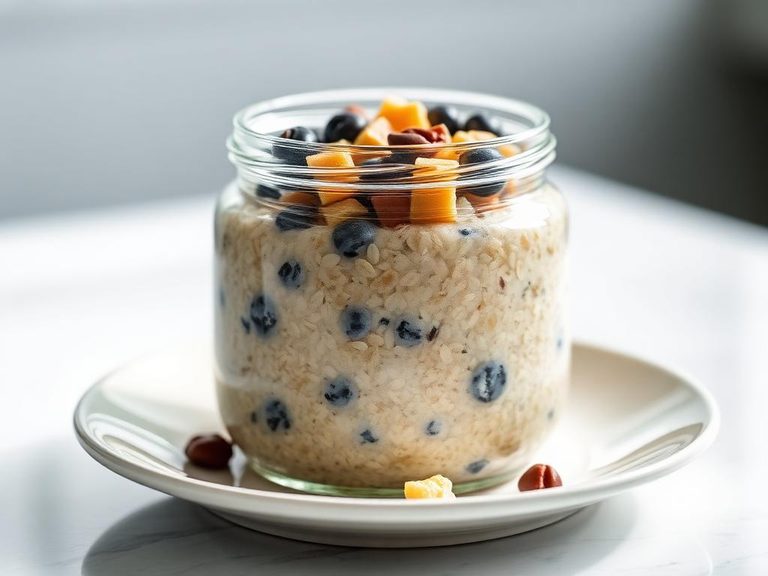
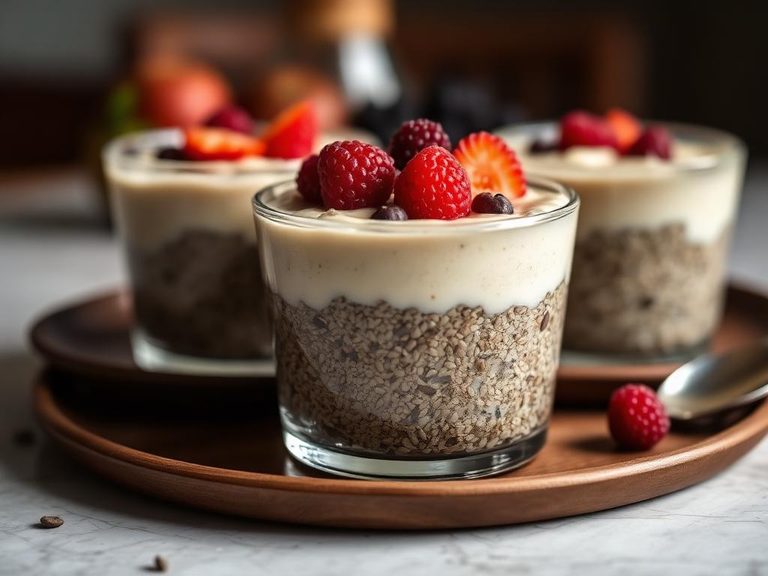
🌍 Where it's eaten
💡 Did you know?
SILK was originally founded in 1977 by a couple who were inspired by the soy milk they discovered while teaching English in China.
Full nutrition (USDA data · scales with serving)
| Water | 87.4 g |
| Energy | 53.0 kcal |
| Energy | 222 kj |
| Protein | 2.5 g |
| Total lipid (fat) | 1.6 g |
| Ash | 0.65 g |
| Carbohydrate, by difference | 7.8 g |
| Fiber, total dietary | 0.40 g |
| Total Sugars | 6.6 g |
| Calcium, Ca | 144 mg |
| Iron, Fe | 0.44 mg |
| Magnesium, Mg | 16.0 mg |
| Potassium, K | 123 mg |
| Sodium, Na | 58.0 mg |
| Zinc, Zn | 0.62 mg |
| Selenium, Se | 2.3 ug |
| Vitamin C, total ascorbic acid | 8.6 mg |
| Riboflavin | 0.21 mg |
| Folate, total | 10.0 ug |
| Folate, food | 10.0 ug |
| Vitamin B-12 | 1.2 ug |
| Vitamin A, IU | 412 iu |
| Vitamin D (D2 + D3), International Units | 49.0 iu |
| Vitamin D (D2 + D3) | 1.2 ug |
Fat & fatty acid profile (per 100g)
| Fatty acids, total saturated | 0.21 g |
| Fatty acids, total trans | 0.00 g |
| Cholesterol | 0.00 mg |
FAQ
Is this a good source of protein?
Yes, with 2.47g of protein per 100g, it provides a respectable amount of plant-based protein, especially compared to many other non-dairy milks.
Can I use this for cooking savory dishes?
While its vanilla flavor is prominent, it can be used in some savory recipes like creamy soups or sauces where a subtle sweetness is acceptable, but unflavored soymilk is typically preferred.
How does it compare nutritionally to cow's milk?
It is lower in calories, fat, and protein than whole cow's milk, but is often fortified with similar levels of calcium and vitamin D. It contains no cholesterol or lactose.
Nutrient density (calculated · NRF9.3)
Nutrient Rich Foods index: beneficial nutrients (protein, fiber, vitamins, minerals) minus saturated fat, added sugar & sodium, per 100 kcal.
NRF9.3 index — Fulgoni, Keast & Drewnowski, 2009. Computed from USDA nutrients.
Weight-loss friendliness (composite index)
Energy density 0.53 kcal/g · 19% calories from protein · 0.4 g fiber · 6.6 g sugar per 100 g.
Composite of energy density (Rolls et al., 1999), protein & fiber satiety, minus sugar. A calculated heuristic — ranks satiety-per-calorie, not a clinical measure.
Dietary load (calculated from USDA values)
Sodium-to-potassium ratio: 0.47 (lower is better — aim for ≤ 1)
Sodium:potassium per WHO potassium guidance. Computed from USDA nutrients.