

Alcoholic beverage, wine, table, white, late harvest
Whole food · Beverages

Photo: Wikipedia
Late harvest white wine is a luscious, dessert-style wine made from grapes left on the vine longer to concentrate sugars and flavors. It boasts a rich, honeyed texture with notes of apricot, tropical fruit, and sometimes a hint of botrytis (noble rot). Nutritionally, it is a source of quick energy from its high carbohydrate content, primarily natural sugars.
Calorie split: 1% protein · 99% carbs · 0% fat
↓ Full nutrition💚 Why it's loved
People adore its luxurious, sweet intensity and complex aromatics, which make it a celebratory treat. Its versatility in pairing—from blue cheese to fruit tarts—makes it a sophisticated finale to a meal.
⚠️ Watch-outs & how to enjoy it better
Its high sugar content can cause rapid blood-sugar spikes, making it unsuitable for those managing diabetes or watching sugar intake. To enjoy it responsibly, practice strict portion control (a small 2-3 oz pour) and pair it with a protein-rich or fatty food like a cheese plate to slow sugar absorption.
Key benefits
- High in antioxidants like resveratrol from grape skins
- May support heart health in moderation
- Provides a quick source of carbohydrate energy
- Often lower in alcohol than fortified dessert wines
- Pairs excellently with a wide range of desserts and cheeses
🍽️ Popular dishes
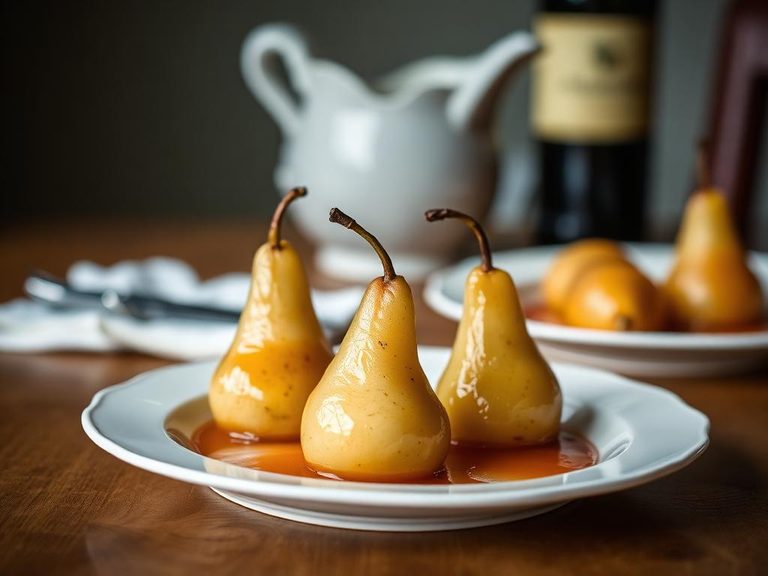
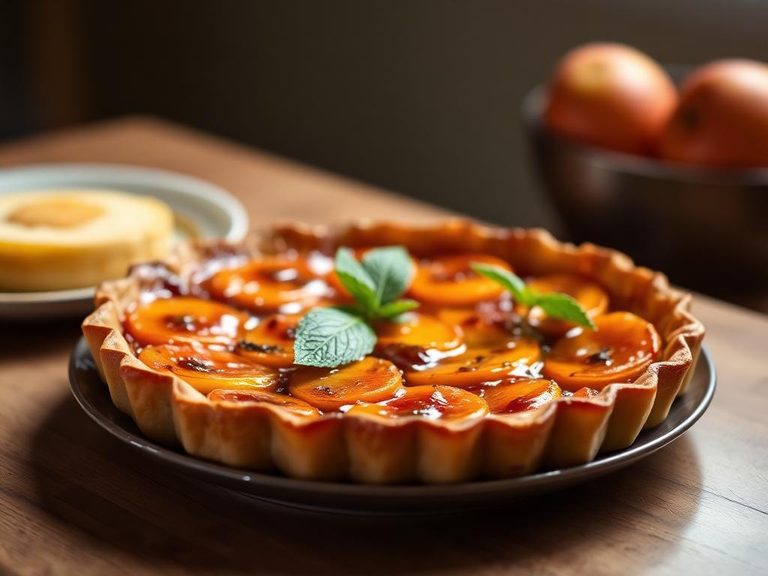
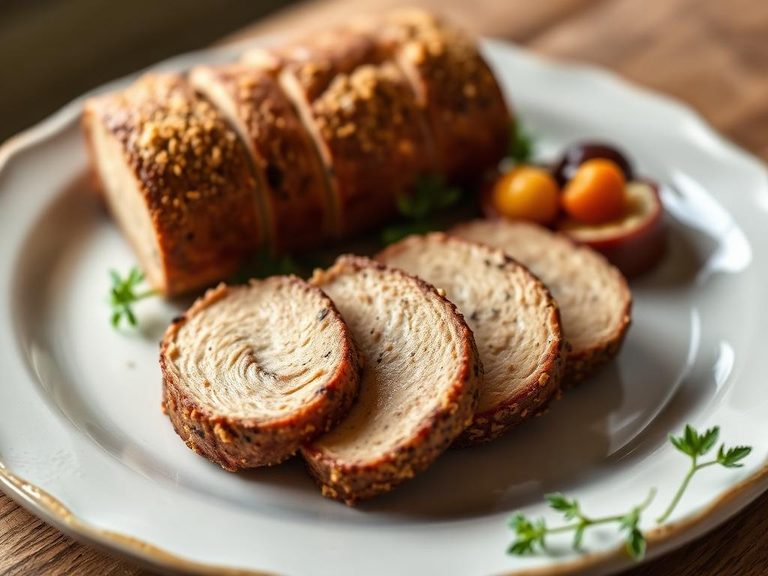
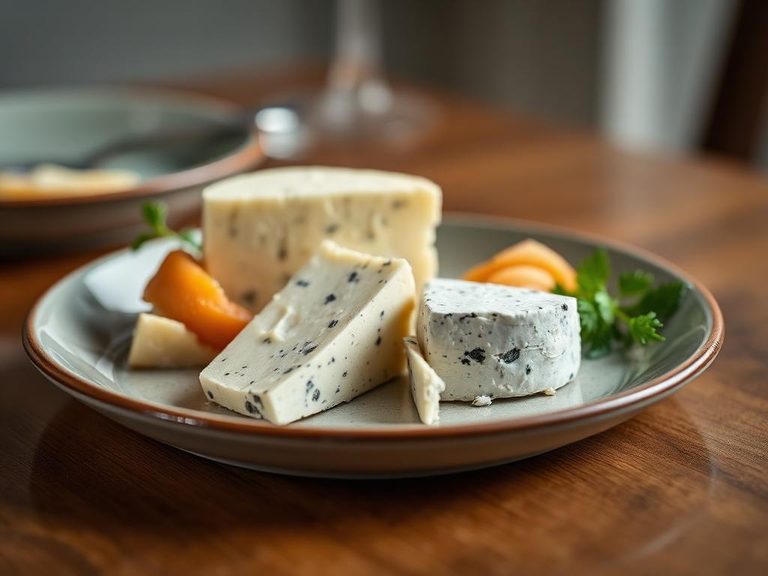
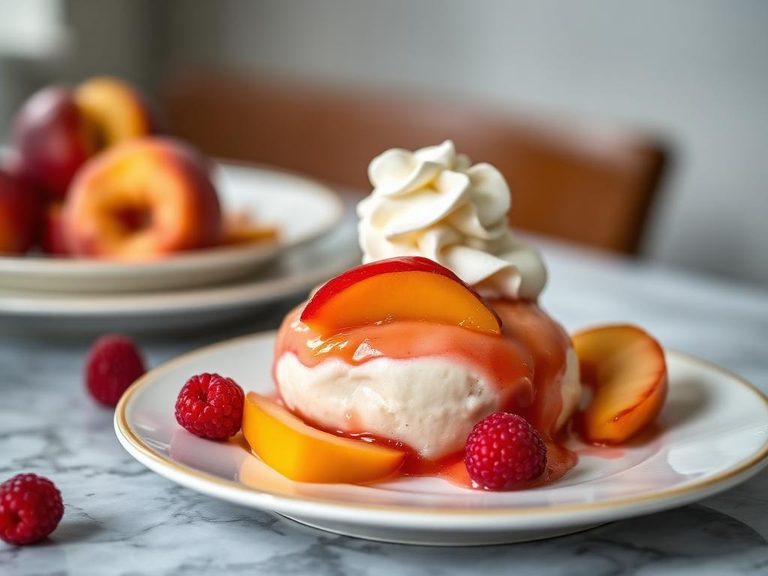
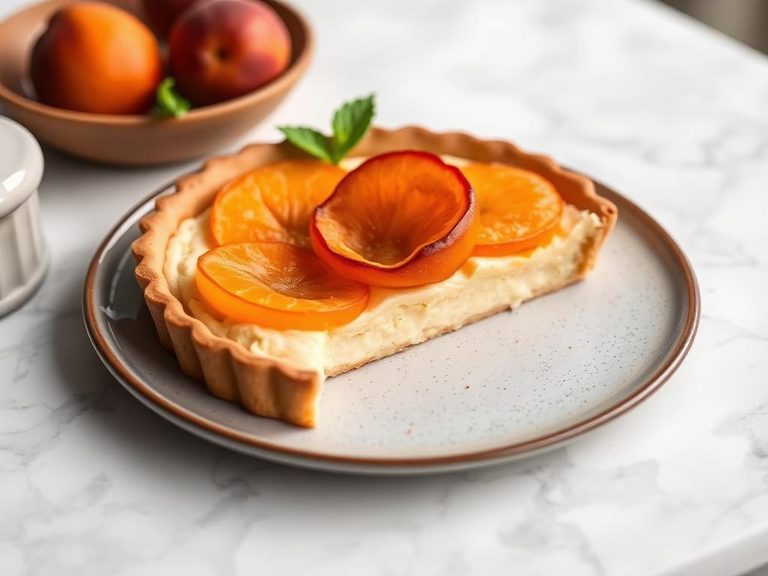
🌍 Where it's eaten
💡 Did you know?
Many of the world's most prized late harvest wines, like Sauternes, rely on 'noble rot' (Botrytis cinerea), a fungus that dehydrates grapes on the vine, concentrating sugars and adding unique honeyed flavors.
Full nutrition (USDA data · scales with serving)
| Water | 77.8 g |
| Energy | 112 kcal |
| Energy | 467 kj |
| Protein | 0.07 g |
| Total lipid (fat) | 0.00 g |
| Ash | 0.27 g |
| Carbohydrate, by difference | 13.4 g |
| Alcohol, ethyl | 8.5 g |
Fat & fatty acid profile (per 100g)
| Fatty acids, total trans | 0.00 g |
Amino acid profile (per 100g)
Estimated from Alcoholic beverage, distilled, vodka, 80 proof — USDA does not publish this profile for Alcoholic beverage.
| Tryptophan | 0.00 g |
| Threonine | 0.00 g |
| Isoleucine | 0.00 g |
| Leucine | 0.00 g |
| Lysine | 0.00 g |
| Methionine | 0.00 g |
| Cystine | 0.00 g |
| Phenylalanine | 0.00 g |
| Tyrosine | 0.00 g |
| Valine | 0.00 g |
| Arginine | 0.00 g |
| Histidine | 0.00 g |
| Alanine | 0.00 g |
| Aspartic acid | 0.00 g |
| Glutamic acid | 0.00 g |
| Glycine | 0.00 g |
| Proline | 0.00 g |
| Serine | 0.00 g |
FAQ
How is late harvest wine different from regular table wine?
Late harvest grapes are left on the vine much longer, allowing them to raisinate and concentrate sugars, resulting in a much sweeter, often more viscous wine with higher residual sugar.
Does late harvest wine have more alcohol?
Not necessarily. While the grapes have more sugar, winemakers often ferment only part of it, leaving residual sugar. Alcohol levels can vary but are often moderate (8-14% ABV), similar to or sometimes lower than dry table wines.
What is the best way to serve it?
Serve well-chilled (45-50°F / 7-10°C) in a smaller glass to concentrate its aromas. It's best enjoyed as a dessert wine or with cheese, not as a primary table wine.
Weight-loss friendliness (composite index)
Energy density 1.12 kcal/g · 0% calories from protein · 0.0 g fiber · 0.0 g sugar per 100 g.
Composite of energy density (Rolls et al., 1999), protein & fiber satiety, minus sugar. A calculated heuristic — ranks satiety-per-calorie, not a clinical measure.