

Blue cheese pairing
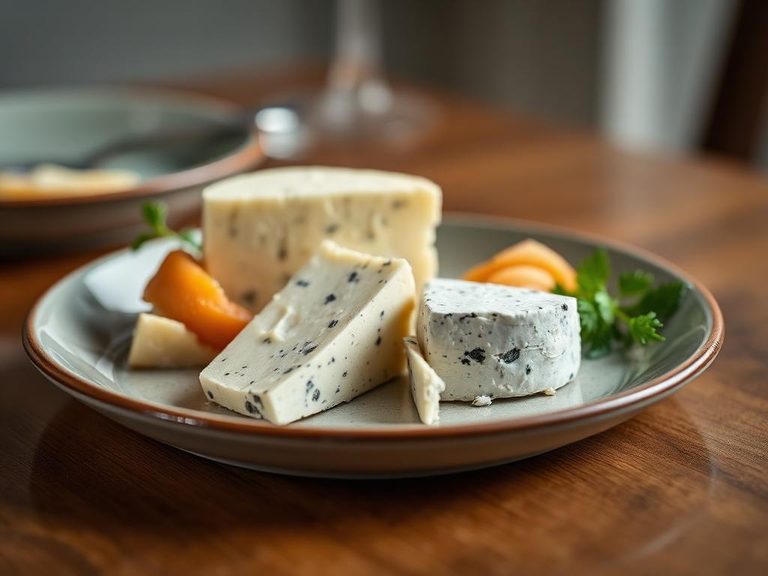
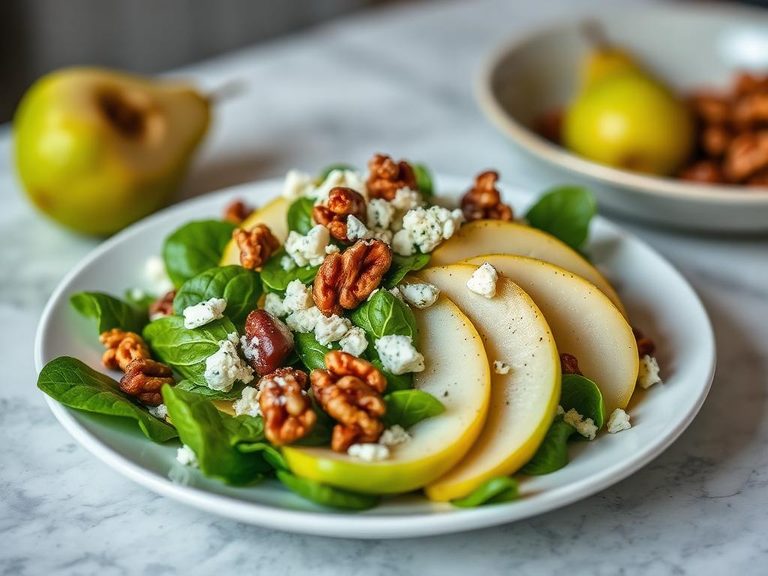
Blue cheese pairing is not a single dish but a curated culinary experience, typically featuring a selection of blue cheeses served alongside complementary foods like honey, nuts, fresh fruits, and crusty bread. The practice originates from European cheese-making traditions, particularly in regions like France (Roquefort), Italy (Gorgonzola), and England (Stilton). It is a classic appetizer or course in fine dining and casual gatherings.
🍽️ Nutrition at a glance
This pairing is high in fat and protein, with minimal carbohydrates unless served with sweet accompaniments or bread. A typical serving provides significant amounts of calcium, sodium, and fat-soluble vitamins like Vitamin A and K2. A standard serving can range from 300 to 500 calories, depending heavily on the quantity and type of cheese and pairings.
Nutrition breakdown
| Calories | 380 kcal |
| Protein | 12 g |
| Carbs | 25 g |
| Fat | 28 g |
| Fiber | 3 g |
| Sugar | 18 g |
| Sodium | 520 mg |
| Calcium | 180 mg |
| Vitamin A | 150 mcg RAE |
| Phosphorus | 150 mg |
| Vitamin K2 | 15 mcg |
| Selenium | 10 mcg |
| Zinc | 1.5 mg |
| Riboflavin (B2) | 0.2 mg |
| Vitamin B12 | 0.5 mcg |
Per 1 typical serving (60 g blue cheese, 30 g walnuts, 60 g apple slices, 1 tbsp honey) · estimated, varies by recipe
💡 What's interesting
Blue cheese contains live mold cultures (Penicillium) that create its distinctive veins and pungent flavor, a unique fermentation process. Culturally, it represents a centuries-old method of preserving cheese and is celebrated for its bold, complex flavors that pair surprisingly well with sweet elements like honey or fruit, creating a balanced taste experience.
🍽️ Related dishes

AI estimate may be inaccurate · Terms