

Alcoholic Beverage, wine, table, red, Zinfandel
Whole food · Beverages

Photo: Wikipedia
Zinfandel is a bold, fruit-forward red wine known for its deep ruby color and jammy flavors of blackberry, black cherry, and a hint of spice or black pepper. Its texture is typically full-bodied with smooth, integrated tannins and a warm, lingering finish. Nutritionally, it's a low-calorie alcoholic beverage, providing energy primarily from alcohol and residual carbohydrates.
Calorie split: 2% protein · 98% carbs · 0% fat
↓ Full nutrition💚 Why it's loved
People love Zinfandel for its rich, ripe fruit flavors and approachable, bold character that pairs wonderfully with hearty foods. It's a versatile crowd-pleaser, equally at home at a casual barbecue or a formal dinner.
⚠️ Watch-outs & how to enjoy it better
The alcohol content (often 13.5-15% ABV) and residual sugar can contribute to calorie intake and potential blood sugar spikes. Those monitoring alcohol consumption, managing diabetes, or with sulfite sensitivities should be cautious. To mitigate, practice strict portion control, pair with protein-rich foods like cheese or grilled meats to slow alcohol/sugar absorption, and choose bottles labeled 'low-intervention' or 'no added sulfites' if sensitive.
Key benefits
- Source of antioxidants like resveratrol from grape skins
- Contains polyphenols linked to cardiovascular health in moderation
- Low in fat, protein, and fiber
- Typically gluten-free
- May support social well-being as part of moderate consumption
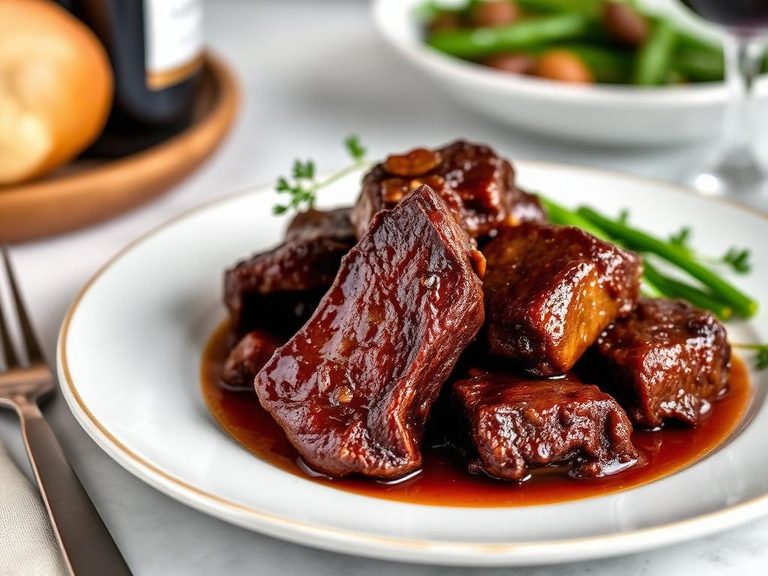
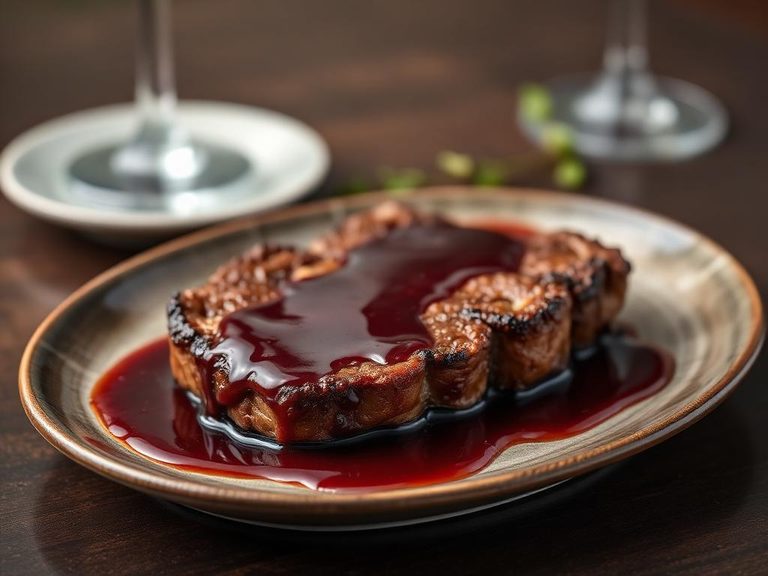
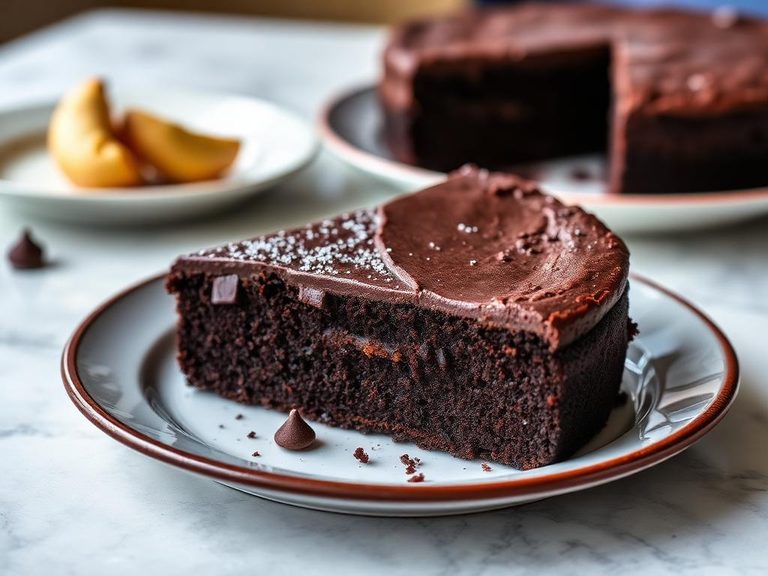
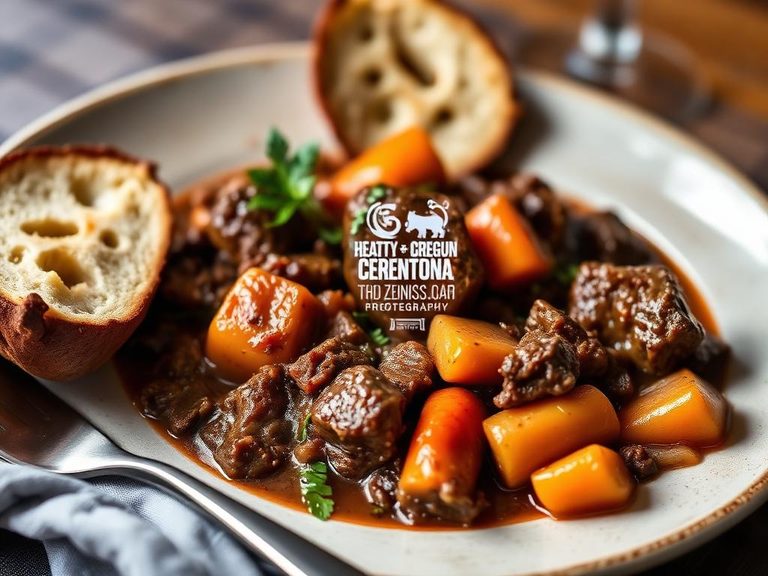
🍽️ Popular dishes
🌍 Where it's eaten
💡 Did you know?
Zinfandel is genetically identical to the ancient Croatian grape Crljenak Kaštelanski and the Italian Primitivo, but its exact journey to California in the mid-19th century remains a fascinating mystery.
Full nutrition (USDA data · scales with serving)
| Water | 85.7 g |
| Energy | 88.0 kcal |
| Energy | 369 kj |
| Protein | 0.07 g |
| Total lipid (fat) | 0.00 g |
| Ash | 0.27 g |
| Carbohydrate, by difference | 2.9 g |
| Alcohol, ethyl | 11.1 g |
Fat & fatty acid profile (per 100g)
| Fatty acids, total trans | 0.00 g |
Amino acid profile (per 100g)
Estimated from Alcoholic beverage, distilled, vodka, 80 proof — USDA does not publish this profile for Alcoholic Beverage.
| Tryptophan | 0.00 g |
| Threonine | 0.00 g |
| Isoleucine | 0.00 g |
| Leucine | 0.00 g |
| Lysine | 0.00 g |
| Methionine | 0.00 g |
| Cystine | 0.00 g |
| Phenylalanine | 0.00 g |
| Tyrosine | 0.00 g |
| Valine | 0.00 g |
| Arginine | 0.00 g |
| Histidine | 0.00 g |
| Alanine | 0.00 g |
| Aspartic acid | 0.00 g |
| Glutamic acid | 0.00 g |
| Glycine | 0.00 g |
| Proline | 0.00 g |
| Serine | 0.00 g |
FAQ
Is Zinfandel sweeter than other red wines?
Yes, many Zinfandels are made in a 'ripe' style with higher residual sugar, giving them a perceived sweetness even if technically dry. However, styles vary widely from bone-dry to sweet.
What's the best temperature to serve Zinfandel?
Serve it slightly below room temperature, around 60-65°F (15-18°C). This tempers the alcohol's heat and lets the complex fruit and spice notes shine.
Can I cook with Zinfandel?
Absolutely! Its bold flavor is excellent for deglazing pans, making rich sauces, or in braises. Use a bottle you'd enjoy drinking, as the flavors concentrate during cooking.
Weight-loss friendliness (composite index)
Energy density 0.88 kcal/g · 0% calories from protein · 0.0 g fiber · 0.0 g sugar per 100 g.
Composite of energy density (Rolls et al., 1999), protein & fiber satiety, minus sugar. A calculated heuristic — ranks satiety-per-calorie, not a clinical measure.