

Alcoholic Beverage, wine, table, red, Petite Sirah
Whole food · Beverages

Photo: Wikipedia
Petite Sirah is a bold, deeply colored red wine known for its intense, inky purple hue and robust structure. On the palate, it delivers concentrated flavors of blackberry, blueberry, and plum, often with notes of black pepper, chocolate, and violets, supported by firm, gripping tannins and a full body. Nutritionally, it provides a modest 85 calories per 100ml, with minimal protein and carbohydrates, and no fat or fiber.
Calorie split: 3% protein · 97% carbs · 0% fat
↓ Full nutrition💚 Why it's loved
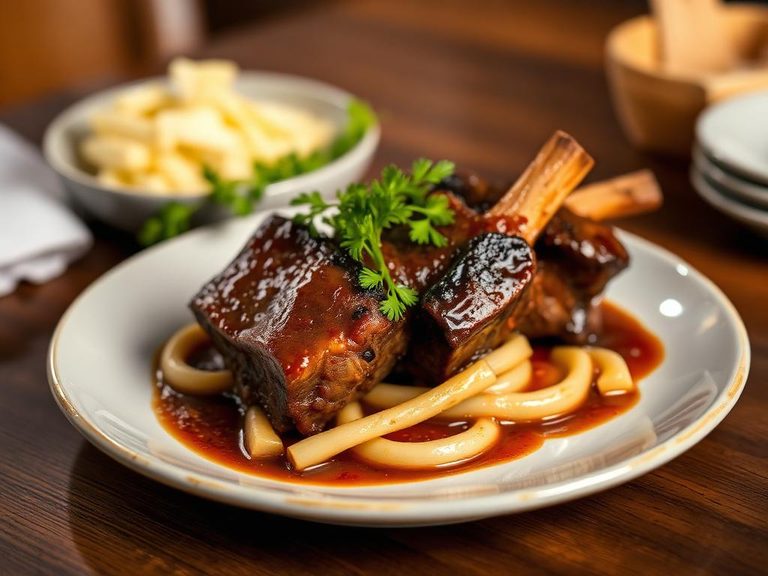
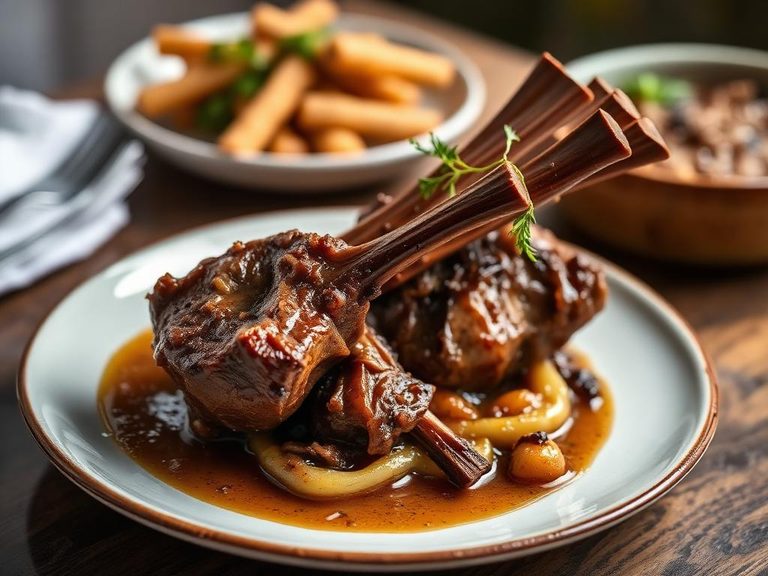
Wine enthusiasts adore Petite Sirah for its powerful, expressive fruit character and its ability to age gracefully, developing complex secondary notes. Its versatility at the table, from barbecue to hearty stews, makes it a beloved choice for gatherings and celebrations.
⚠️ Watch-outs & how to enjoy it better
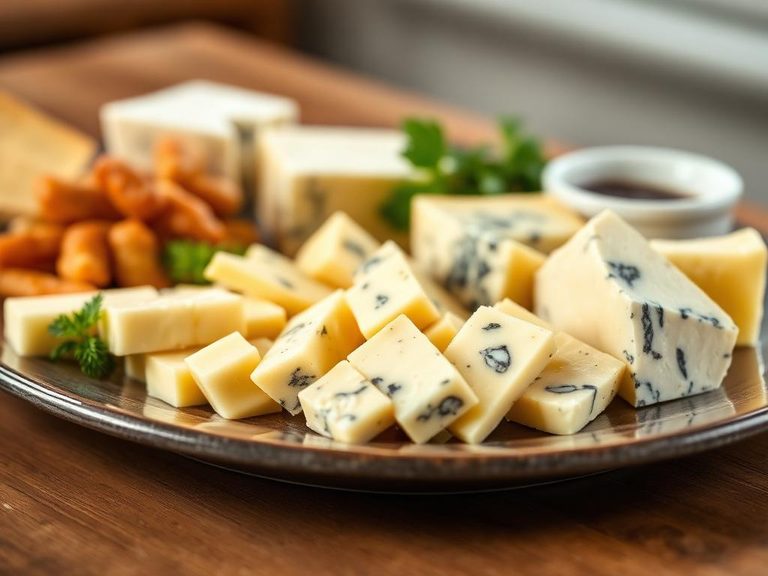
Its high tannin content can feel astringent or drying to some palates, and the bold flavors may overwhelm delicate dishes. As with all alcohol, it should be consumed mindfully; those with alcohol sensitivities, on certain medications, or managing blood sugar should be cautious. To mitigate tannins, pair it with protein-rich or fatty foods like a ribeye steak or aged cheese, which soften the tannins and enhance the wine's fruit.
Key benefits
- Contains antioxidants like resveratrol and polyphenols
- May support heart health in moderation
- Low in calories compared to many alcoholic cocktails
- Pairs exceptionally well with rich, fatty foods
- Often a good value in bold, full-bodied reds
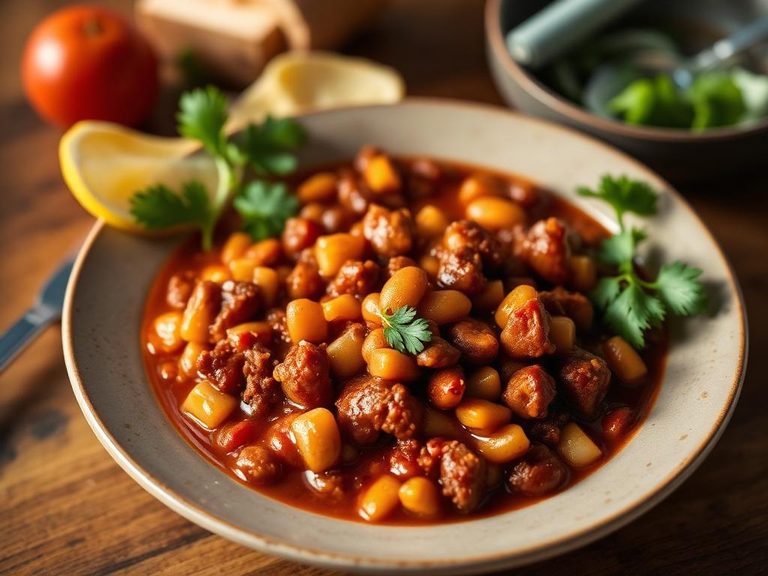
🍽️ Popular dishes

🌍 Where it's eaten
💡 Did you know?
Despite its name, Petite Sirah is not a smaller version of Syrah; it's actually a cross between the Syrah and Peloursin grapes, and was once widely used as a blending grape to add color and structure to other wines.
Full nutrition (USDA data · scales with serving)
| Water | 86.2 g |
| Energy | 85.0 kcal |
| Energy | 356 kj |
| Protein | 0.07 g |
| Total lipid (fat) | 0.00 g |
| Ash | 0.31 g |
| Carbohydrate, by difference | 2.7 g |
| Alcohol, ethyl | 10.7 g |
Fat & fatty acid profile (per 100g)
| Fatty acids, total trans | 0.00 g |
Amino acid profile (per 100g)
Estimated from Alcoholic beverage, distilled, vodka, 80 proof — USDA does not publish this profile for Alcoholic Beverage.
| Tryptophan | 0.00 g |
| Threonine | 0.00 g |
| Isoleucine | 0.00 g |
| Leucine | 0.00 g |
| Lysine | 0.00 g |
| Methionine | 0.00 g |
| Cystine | 0.00 g |
| Phenylalanine | 0.00 g |
| Tyrosine | 0.00 g |
| Valine | 0.00 g |
| Arginine | 0.00 g |
| Histidine | 0.00 g |
| Alanine | 0.00 g |
| Aspartic acid | 0.00 g |
| Glutamic acid | 0.00 g |
| Glycine | 0.00 g |
| Proline | 0.00 g |
| Serine | 0.00 g |
FAQ
What is the difference between Petite Sirah and Syrah?
Petite Sirah (also known as Durif) is a distinct grape variety, a cross between Syrah and Peloursin. It is typically darker, more tannic, and more full-bodied than Syrah, with often more pronounced black fruit and pepper notes.
How should I serve Petite Sirah?
Serve it slightly below room temperature, around 60-65°F (15-18°C), to help balance its intensity. Decanting for 30-60 minutes before serving can help soften its firm tannins and open up its aromas.
Is Petite Sirah a good wine for aging?
Yes, its high tannin and acid structure make it very age-worthy. Many examples can improve in the bottle for 10-20 years, developing more complex notes of leather, tobacco, and earth.
Weight-loss friendliness (composite index)
Energy density 0.85 kcal/g · 0% calories from protein · 0.0 g fiber · 0.0 g sugar per 100 g.
Composite of energy density (Rolls et al., 1999), protein & fiber satiety, minus sugar. A calculated heuristic — ranks satiety-per-calorie, not a clinical measure.