

Alcoholic Beverage, wine, table, red, Burgundy
Whole food · Beverages

Photo: Wikipedia
Burgundy red wine is a classic French table wine, typically made from Pinot Noir grapes, offering a deep ruby color and a complex flavor profile of red fruits, earth, and subtle spice. Nutritionally, it's a low-calorie, carbohydrate-only beverage with no protein or fat, providing a light 86 calories per 100ml.
Calorie split: 2% protein · 98% carbs · 0% fat
↓ Full nutrition💚 Why it's loved
People love it for its elegant balance of acidity and tannins, which pair beautifully with food, and its deep cultural association with French gastronomy, romance, and sophistication.
⚠️ Watch-outs & how to enjoy it better
As an alcoholic beverage, it can contribute to blood sugar fluctuations and is not suitable for those avoiding alcohol, pregnant individuals, or those with certain medical conditions. To mitigate, practice strict portion control (e.g., one 5-oz glass), avoid drinking on an empty stomach, and pair it with protein-rich foods like cheese or lean meats to slow sugar absorption.
Key benefits
- Rich in antioxidants like resveratrol and flavonoids
- May support heart health in moderation
- Low in calories compared to many cocktails
- Contains no fat or cholesterol
- Carbohydrates are primarily from natural grape sugars
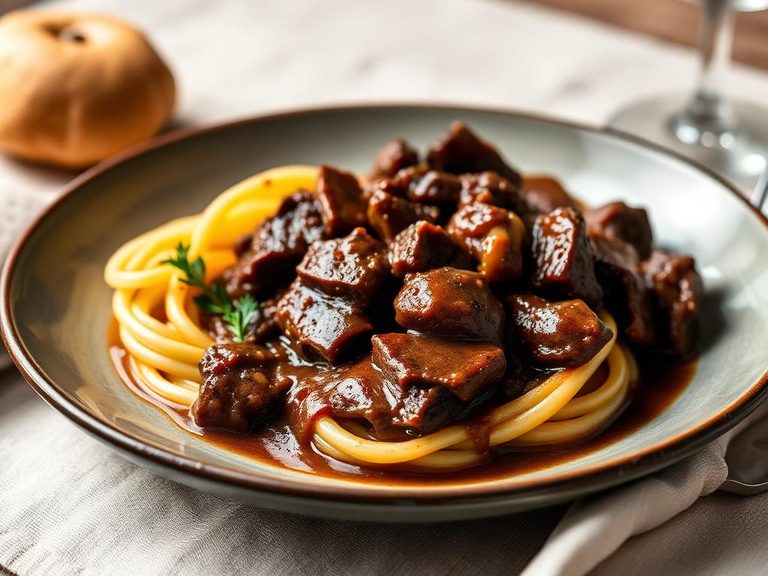
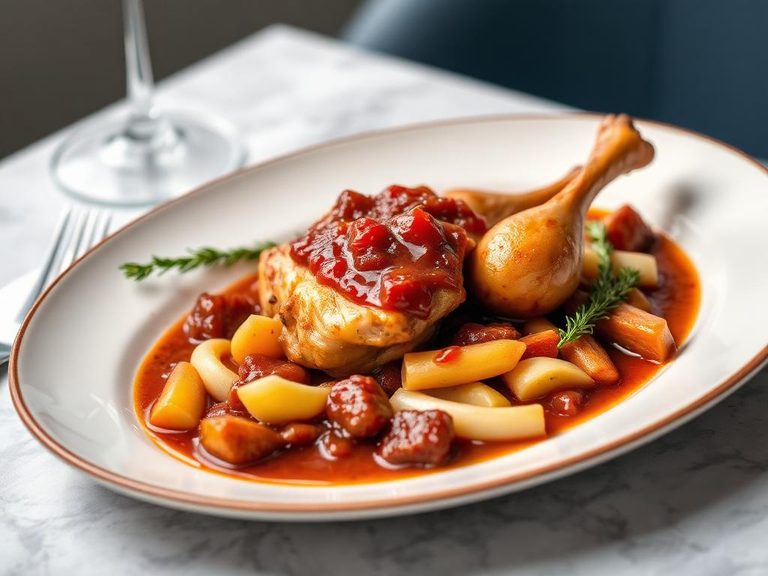
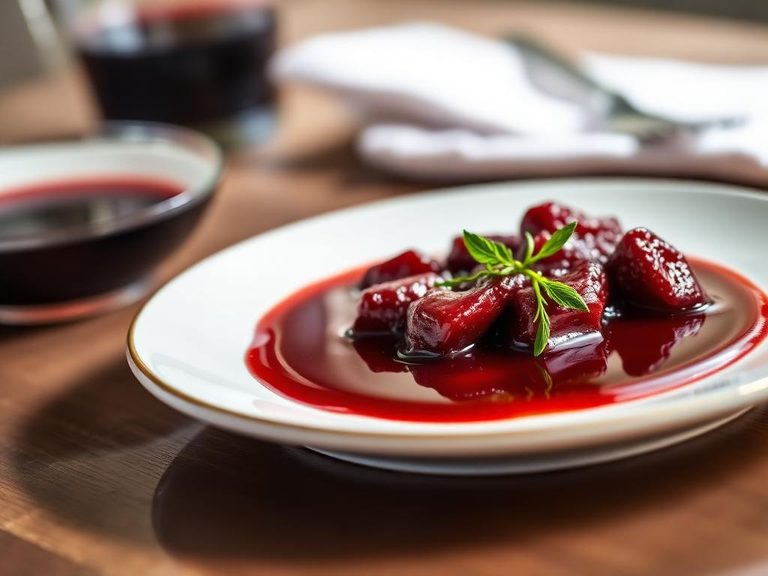
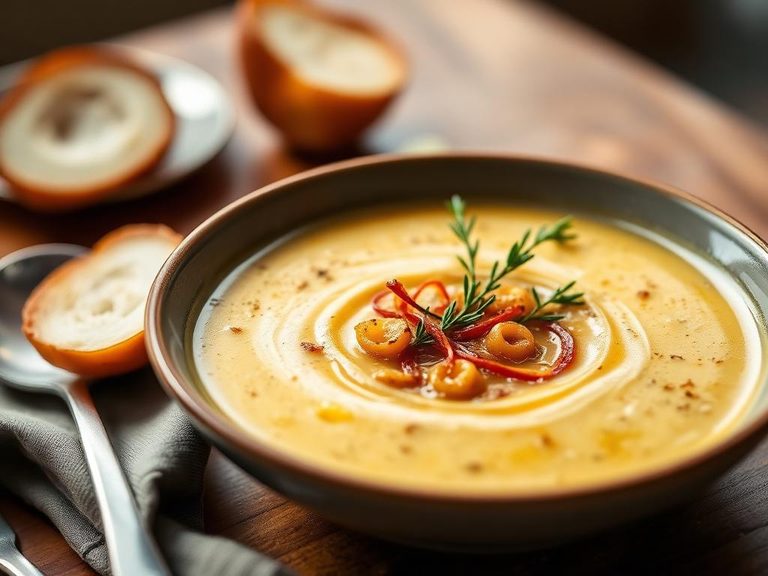
🍽️ Popular dishes
🌍 Where it's eaten
💡 Did you know?
The famous 'Burgundy' wine region is actually quite small, and the entire production area for red Burgundy is roughly the same size as the city of Paris.
Full nutrition (USDA data · scales with serving)
| Water | 85.6 g |
| Energy | 86.0 kcal |
| Energy | 360 kj |
| Protein | 0.07 g |
| Total lipid (fat) | 0.00 g |
| Ash | 0.34 g |
| Carbohydrate, by difference | 3.7 g |
| Alcohol, ethyl | 10.3 g |
Fat & fatty acid profile (per 100g)
| Fatty acids, total trans | 0.00 g |
Amino acid profile (per 100g)
Estimated from Alcoholic beverage, distilled, vodka, 80 proof — USDA does not publish this profile for Alcoholic Beverage.
| Tryptophan | 0.00 g |
| Threonine | 0.00 g |
| Isoleucine | 0.00 g |
| Leucine | 0.00 g |
| Lysine | 0.00 g |
| Methionine | 0.00 g |
| Cystine | 0.00 g |
| Phenylalanine | 0.00 g |
| Tyrosine | 0.00 g |
| Valine | 0.00 g |
| Arginine | 0.00 g |
| Histidine | 0.00 g |
| Alanine | 0.00 g |
| Aspartic acid | 0.00 g |
| Glutamic acid | 0.00 g |
| Glycine | 0.00 g |
| Proline | 0.00 g |
| Serine | 0.00 g |
FAQ
What is the main grape in red Burgundy?
The primary grape variety used for red Burgundy wine is Pinot Noir.
How does the calorie count compare to white wine?
Red Burgundy at 86 kcal/100g is very similar in calorie content to most dry white wines, which typically range from 80-90 kcal/100g.
Is it high in sugar?
Dry red Burgundy contains minimal residual sugar, typically less than 5 grams per liter, making it a low-sugar alcoholic beverage.
Weight-loss friendliness (composite index)
Energy density 0.86 kcal/g · 0% calories from protein · 0.0 g fiber · 0.0 g sugar per 100 g.
Composite of energy density (Rolls et al., 1999), protein & fiber satiety, minus sugar. A calculated heuristic — ranks satiety-per-calorie, not a clinical measure.