

Deer (venison), sitka, raw (Alaska Native)
Whole food · American Indian/Alaska Native Foods

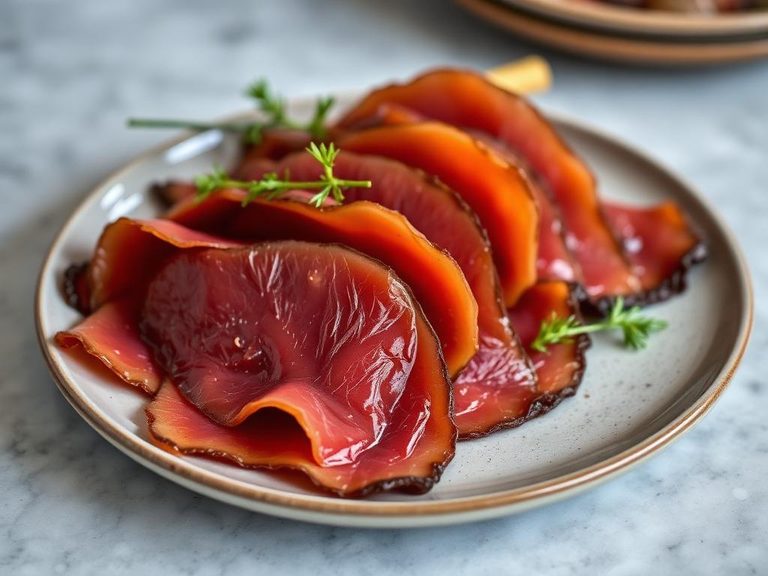
Photo: Wikipedia
Sitka deer venison is a lean, wild game meat from Alaska, prized for its deep, rich flavor and firm, fine-grained texture. With virtually no fat or carbohydrates, it delivers an exceptionally high protein punch (21.5g per 100g) while remaining remarkably low in calories. Its taste is often described as slightly sweet and earthy, distinct from the milder flavor of farmed deer.
Calorie split: 78% protein · 0% carbs · 22% fat
↓ Full nutrition💚 Why it's loved
People love Sitka venison for its clean, robust flavor that stands up to bold seasonings and slow cooking, offering a taste of the Alaskan wilderness. It's also celebrated for its versatility in everything from quick-seared steaks to hearty stews, and its cultural significance in Alaska Native traditions.
⚠️ Watch-outs & how to enjoy it better
The primary downside is its very lean nature, which can lead to dryness if overcooked; it requires careful preparation, such as marinating or braising. Those with a sensitivity to strong, gamey flavors may find it intense, and it can be expensive or difficult to source outside of Alaska or specialty markets.
Key benefits
- Extremely high in lean protein for muscle maintenance and satiety.
- Very low in fat and calories, making it ideal for weight management.
- Naturally free of carbohydrates and sugars, suitable for low-carb diets.
- A good source of iron, zinc, and B vitamins like B12 and niacin.
- Wild-sourced, often free from antibiotics and hormones found in farmed meats.
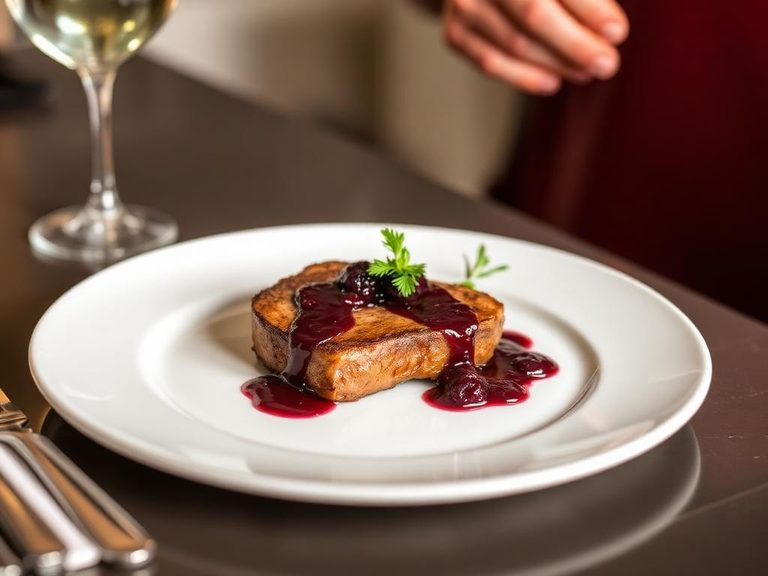
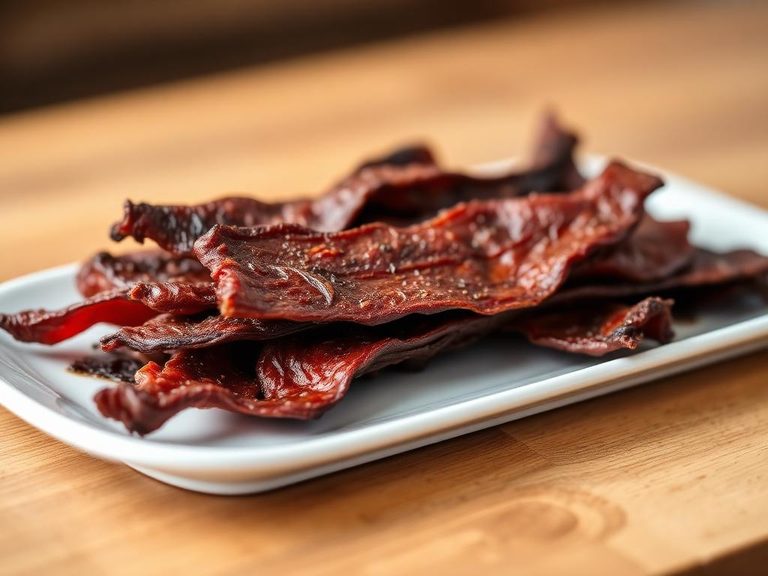
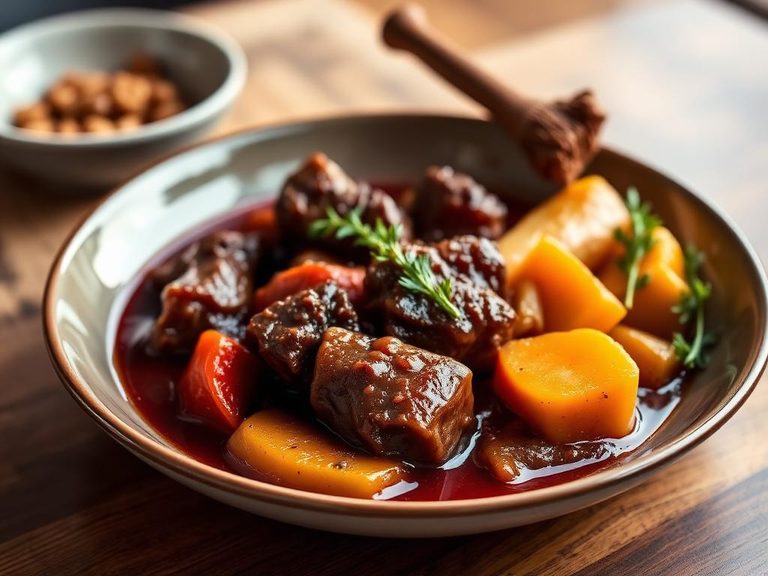
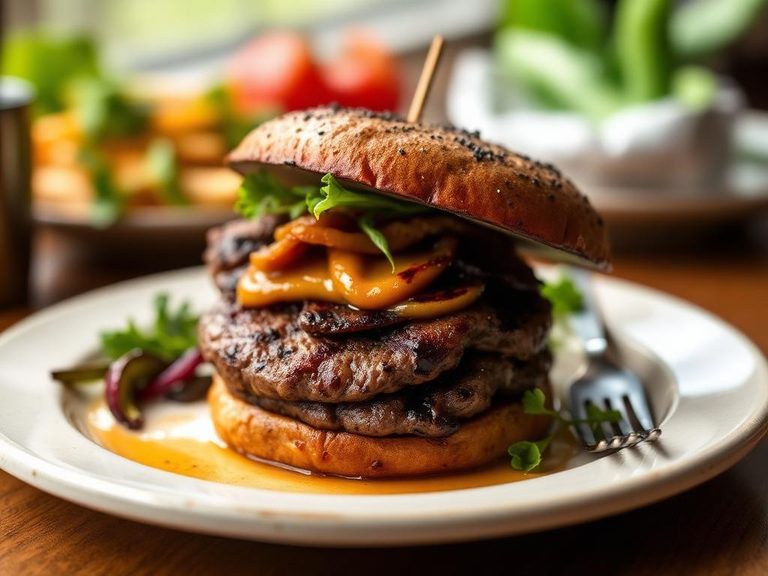
🍽️ Popular dishes
🌍 Where it's eaten
💡 Did you know?
Sitka deer (also known as black-tailed deer) are the smallest subspecies of mule deer, and their meat is often considered the most tender and delicately flavored of all North American deer.
Full nutrition (USDA data · scales with serving)
| Water | 75.0 g |
| Energy | 116 kcal |
| Energy | 484 kj |
| Protein | 21.5 g |
| Total lipid (fat) | 2.7 g |
| Ash | 0.64 g |
| Carbohydrate, by difference | 0.00 g |
| Calcium, Ca | 7.0 mg |
| Iron, Fe | 2.9 mg |
| Vitamin C, total ascorbic acid | 0.00 mg |
| Thiamin | 0.20 mg |
| Riboflavin | 0.36 mg |
| Niacin | 6.6 mg |
| Vitamin A, RAE | 0.00 ug |
| Vitamin A, IU | 0.00 iu |
Fat & fatty acid profile (per 100g)
| Fatty acids, total saturated | 0.63 g |
| Fatty acids, total monounsaturated | 0.34 g |
| Fatty acids, total polyunsaturated | 0.35 g |
| PUFA 18:2 | 0.18 g |
| PUFA 18:3 | 0.05 g |
| Cholesterol | 18.0 mg |
FAQ
How does Sitka deer venison differ from other venison?
Sitka deer venison is typically leaner and has a milder, sweeter flavor compared to the more robust taste of elk or mule deer, due to their diet of coastal plants and berries.
What's the best way to cook Sitka deer venison to avoid dryness?
Because it's very low in fat, it's best cooked quickly to medium-rare or braised slowly. Marinating or adding a small amount of fat during cooking can help retain moisture.
Is Sitka deer venison safe to eat raw?
Like any wild game, it should be cooked to a safe internal temperature to eliminate potential parasites or bacteria. Raw consumption is not recommended.
Nutrient density (calculated · NRF9.3)
Nutrient Rich Foods index: beneficial nutrients (protein, fiber, vitamins, minerals) minus saturated fat, added sugar & sodium, per 100 kcal.
NRF9.3 index — Fulgoni, Keast & Drewnowski, 2009. Computed from USDA nutrients.
Weight-loss friendliness (composite index)
Energy density 1.16 kcal/g · 74% calories from protein · 0.0 g fiber · 0.0 g sugar per 100 g.
Composite of energy density (Rolls et al., 1999), protein & fiber satiety, minus sugar. A calculated heuristic — ranks satiety-per-calorie, not a clinical measure.