

Alcoholic beverage, wine, table, white, Riesling
Whole food · Beverages

Photo: Wikipedia
Riesling is a highly aromatic white wine known for its vibrant acidity and a spectrum of flavors ranging from bone-dry to lusciously sweet, often with notes of green apple, citrus, peach, and petrol. Its crisp texture and bright, refreshing character make it a standout in the glass. Nutritionally, it is very light, with a low 80 calories per 100g and negligible protein or fat, making it a relatively lean alcoholic choice.
Calorie split: 2% protein · 98% carbs · 0% fat
↓ Full nutrition💚 Why it's loved
People love Riesling for its incredible versatility, as it can be dry, off-dry, or sweet, and its piercing acidity makes it a perfect companion for a wide range of foods, from spicy Asian dishes to rich cheeses. Its complex, fruit-forward aromatics and ability to age gracefully create a captivating and dynamic drinking experience.
⚠️ Watch-outs & how to enjoy it better
The high acidity can be overwhelming for some palates, and sweeter styles may contribute to blood-sugar spikes if consumed in excess. To counteract this, pair it with protein or fat-rich foods like cheese or charcuterie, and practice portion control by sticking to a standard 5-ounce (150g) serving. Additionally, those sensitive to sulfites should be cautious, as many wines contain them.
Key benefits
- Low in calories and fat compared to many alcoholic beverages.
- Contains antioxidants like phenolic compounds from grapes.
- High acidity can aid in food pairing and digestion.
- Often lower in alcohol by volume (ABV) than other wines, reducing calorie intake per serving.
- Rich in aromatic compounds that enhance sensory enjoyment.
🍽️ Popular dishes
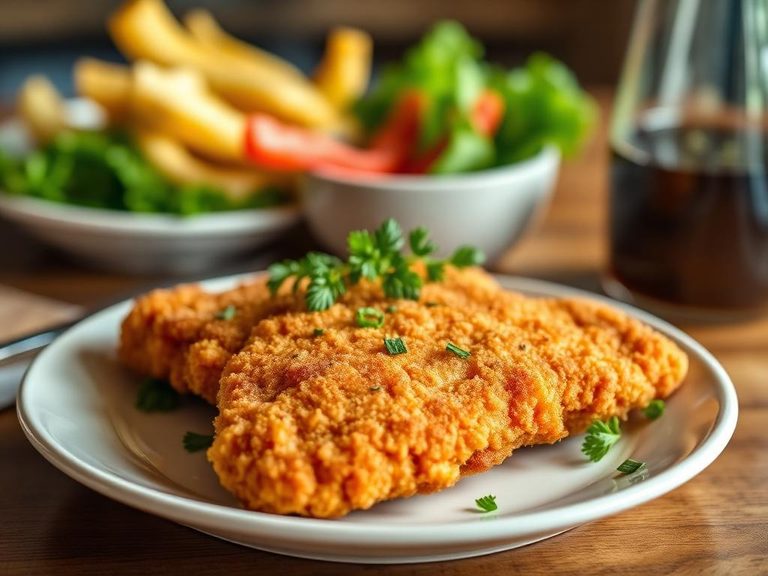
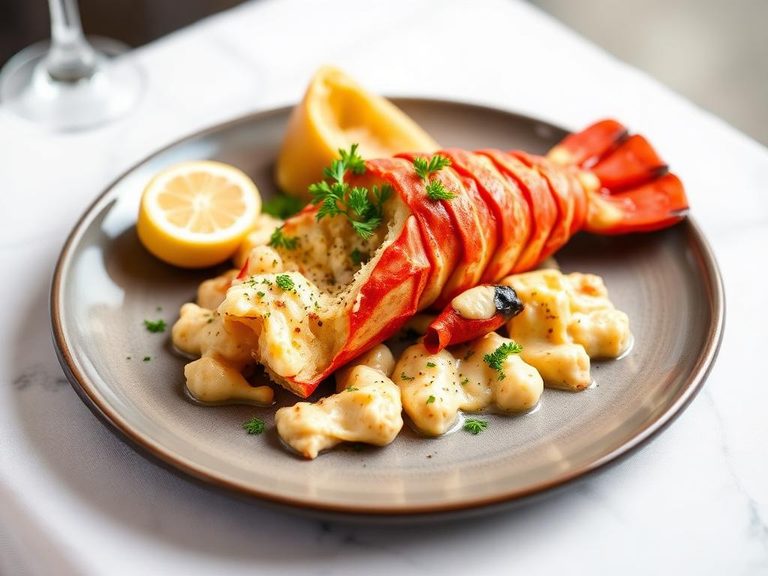
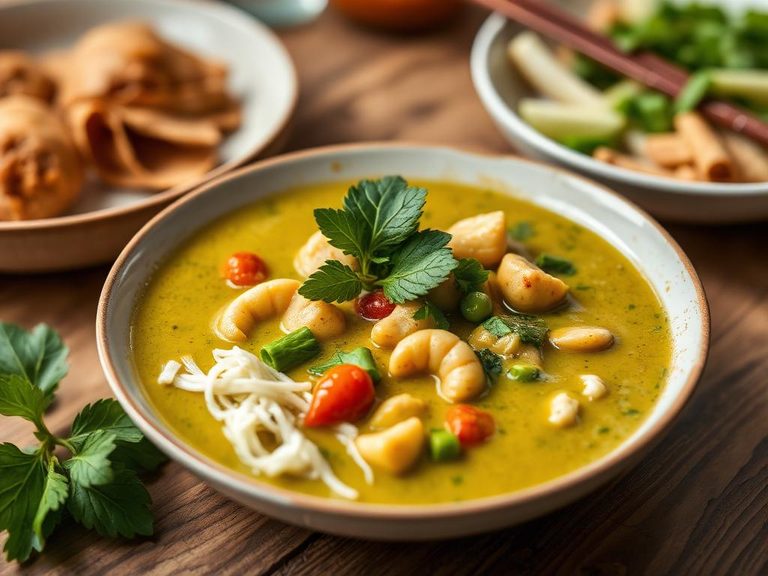
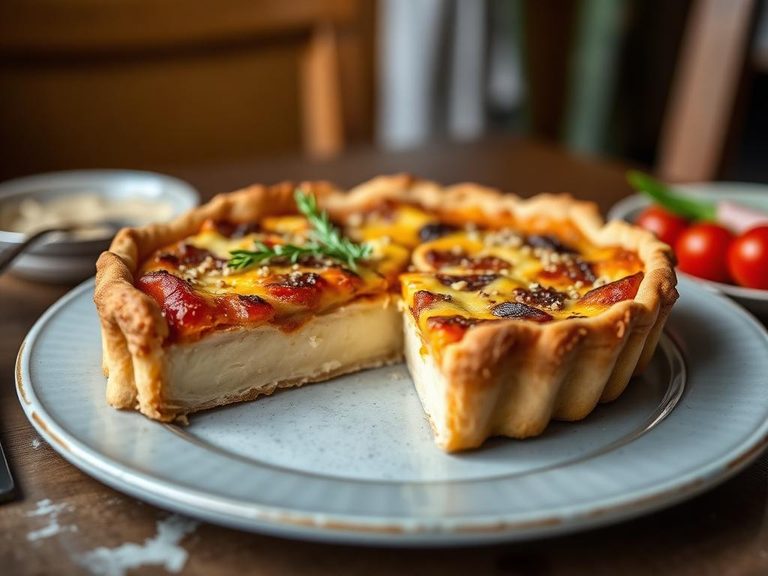
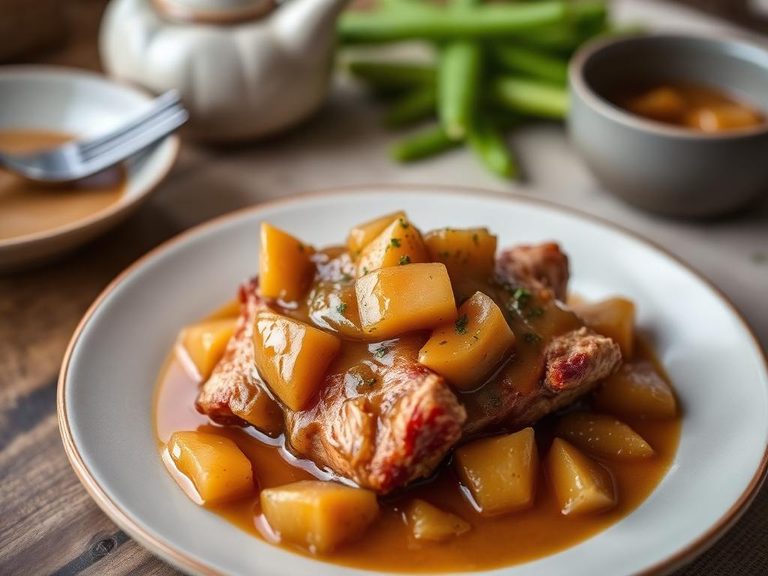
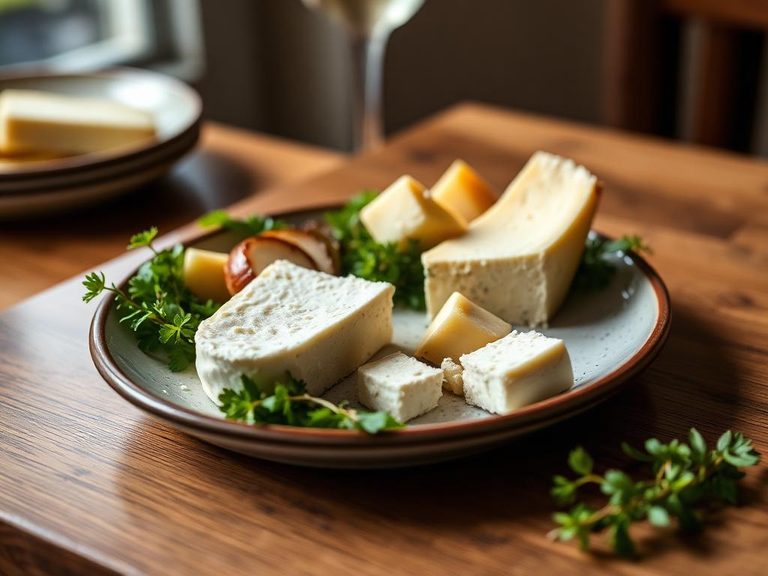
🌍 Where it's eaten
💡 Did you know?
Riesling is one of the few wines where 'petrol' or 'gasoline' is considered a desirable aroma, a compound called TDN that develops as the wine ages, often prized by connoisseurs.
Full nutrition (USDA data · scales with serving)
| Water | 86.6 g |
| Energy | 80.0 kcal |
| Energy | 337 kj |
| Protein | 0.07 g |
| Total lipid (fat) | 0.00 g |
| Ash | 0.17 g |
| Carbohydrate, by difference | 3.7 g |
| Alcohol, ethyl | 9.5 g |
Fat & fatty acid profile (per 100g)
| Fatty acids, total trans | 0.00 g |
Amino acid profile (per 100g)
Estimated from Alcoholic beverage, distilled, vodka, 80 proof — USDA does not publish this profile for Alcoholic beverage.
| Tryptophan | 0.00 g |
| Threonine | 0.00 g |
| Isoleucine | 0.00 g |
| Leucine | 0.00 g |
| Lysine | 0.00 g |
| Methionine | 0.00 g |
| Cystine | 0.00 g |
| Phenylalanine | 0.00 g |
| Tyrosine | 0.00 g |
| Valine | 0.00 g |
| Arginine | 0.00 g |
| Histidine | 0.00 g |
| Alanine | 0.00 g |
| Aspartic acid | 0.00 g |
| Glutamic acid | 0.00 g |
| Glycine | 0.00 g |
| Proline | 0.00 g |
| Serine | 0.00 g |
FAQ
What does Riesling taste like?
Riesling typically tastes of green apple, citrus, and stone fruits like peach or apricot, with a signature high acidity. Depending on the style, it can be bone-dry or very sweet, and aged bottles often develop a distinctive petrol or kerosene note.
Is Riesling sweet or dry?
Riesling is made in a full spectrum from bone-dry (trocken) to very sweet (auslese, beerenauslese, trockenbeerenauslese). The label often indicates sweetness, but the high acidity can balance even sweeter styles, making them taste refreshing rather than cloying.
What food pairs best with Riesling?
Riesling is famously versatile. Dry styles pair well with seafood, sushi, and spicy Asian cuisine. Sweeter styles complement fruit-based desserts, pâtés, and strong cheeses like Roquefort. Its acidity cuts through rich, fatty foods effectively.
Weight-loss friendliness (composite index)
Energy density 0.80 kcal/g · 0% calories from protein · 0.0 g fiber · 0.0 g sugar per 100 g.
Composite of energy density (Rolls et al., 1999), protein & fiber satiety, minus sugar. A calculated heuristic — ranks satiety-per-calorie, not a clinical measure.