

Udi's, Gluten Free, Classic French Dinner Rolls
Whole food · Baked Products

Photo: Wikipedia
These are soft, pillowy dinner rolls crafted to mimic classic French bread, but entirely gluten-free. They offer a tender, slightly chewy crumb and a mild, buttery flavor, making them a standout in the gluten-free bakery aisle. Nutritionally, they provide a solid protein boost for a roll while keeping fat content moderate.
Calorie split: 10% protein · 71% carbs · 19% fat
↓ Full nutrition💚 Why it's loved
People love these rolls for delivering the nostalgic, comforting experience of a warm dinner roll without gluten. Their neutral flavor and soft texture make them incredibly versatile for both sweet and savory pairings.
⚠️ Watch-outs & how to enjoy it better
The relatively high carbohydrate and sugar content (55.1g and 9.53g per 100g, respectively) may cause blood-sugar spikes for some individuals. To counteract this, pair a roll with protein (like turkey or cheese) or healthy fat (like avocado or olive oil) to slow digestion and stabilize blood sugar. Also, be mindful of portion size, as gluten-free products can sometimes be denser in calories.
Key benefits
- Certified gluten-free, safe for celiac and gluten-sensitive diets
- Good source of plant-based protein (7.99g per 100g)
- Low in fat (6.4g per 100g)
- Provides dietary fiber (3.6g per 100g)
- Versatile base for sandwiches or a side dish
🍽️ Popular dishes

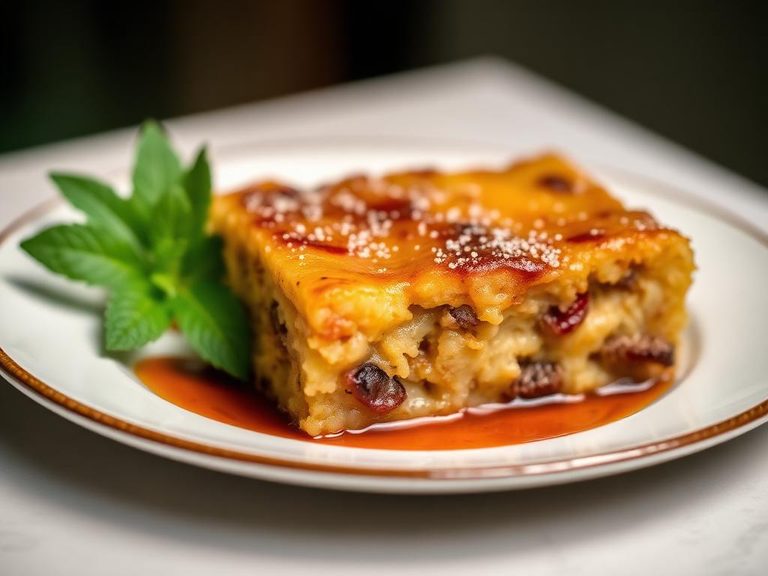

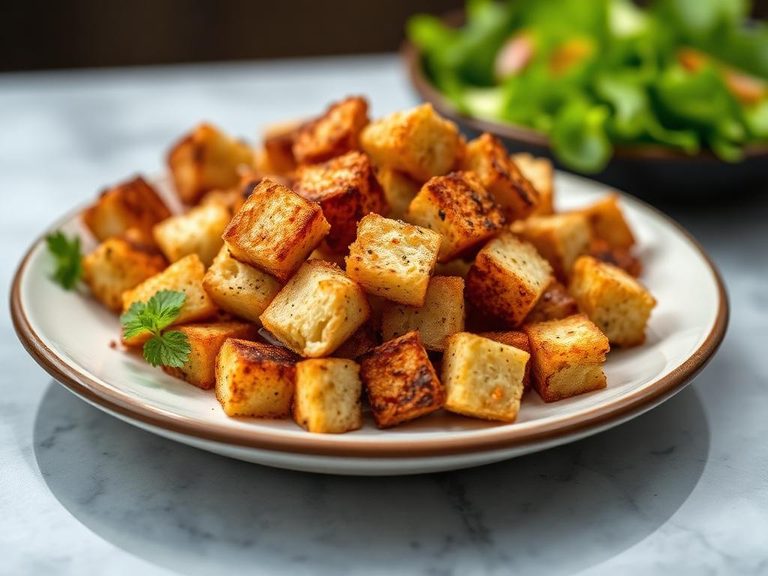
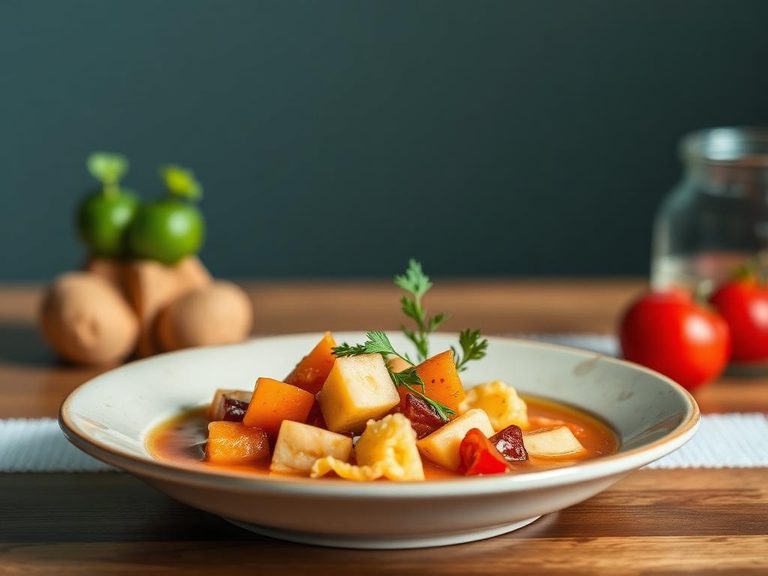
🌍 Where it's eaten
💡 Did you know?
Udi's was one of the first major brands to bring a widely available, soft gluten-free bread roll to mainstream U.S. grocery stores in the early 2000s, helping to popularize gluten-free eating beyond a medical necessity.
Full nutrition (USDA data · scales with serving)
| Water | 28.3 g |
| Energy | 310 kcal |
| Energy | 1297 kj |
| Protein | 8.0 g |
| Total lipid (fat) | 6.4 g |
| Ash | 2.2 g |
| Carbohydrate, by difference | 55.1 g |
| Fiber, total dietary | 3.6 g |
| Total Sugars | 9.5 g |
| Sucrose | 0.00 g |
| Glucose | 0.48 g |
| Fructose | 0.35 g |
| Lactose | 0.00 g |
| Maltose | 8.7 g |
| Galactose | 0.00 g |
| Starch | 40.3 g |
| Calcium, Ca | 82.0 mg |
| Iron, Fe | 0.78 mg |
| Magnesium, Mg | 44.0 mg |
| Phosphorus, P | 126 mg |
| Potassium, K | 161 mg |
| Sodium, Na | 707 mg |
| Zinc, Zn | 0.70 mg |
| Copper, Cu | 0.08 mg |
| Manganese, Mn | 0.80 mg |
| Pantothenic acid | 0.50 mg |
FAQ
Are these rolls suitable for a keto diet?
No. With 55.1g of carbohydrates per 100g, they are far too high in carbs for a standard ketogenic diet.
What are they made from instead of wheat?
While recipes vary, typical ingredients for high-quality gluten-free rolls like these include a blend of rice flours, tapioca starch, potato starch, and often eggs or psyllium husk for structure and moisture.
How should I store them to keep them fresh?
For short-term use, store in their original packaging at room temperature. For longer storage, freeze them in an airtight bag. Gluten-free breads stale faster, so freezing is recommended if not consumed within a few days.
Nutrient density (calculated · NRF9.3)
Nutrient Rich Foods index: beneficial nutrients (protein, fiber, vitamins, minerals) minus saturated fat, added sugar & sodium, per 100 kcal.
NRF9.3 index — Fulgoni, Keast & Drewnowski, 2009. Computed from USDA nutrients.
Weight-loss friendliness (composite index)
Energy density 3.10 kcal/g · 10% calories from protein · 3.6 g fiber · 9.5 g sugar per 100 g.
Composite of energy density (Rolls et al., 1999), protein & fiber satiety, minus sugar. A calculated heuristic — ranks satiety-per-calorie, not a clinical measure.
Dietary load (calculated from USDA values)
Potential renal acid load. Positive = acid-forming, negative = alkaline-forming.
Sodium-to-potassium ratio: 4.39 (lower is better — aim for ≤ 1)
Sodium:potassium per WHO potassium guidance. Computed from USDA nutrients.