Parsnips, raw
Whole food · Vegetables and Vegetable Products

Photo: Wikipedia
The parsnip is a pale, cream-colored root vegetable, a close relative of the carrot, with a distinctive sweet, earthy, and slightly nutty flavor. When raw, it has a firm, crisp texture reminiscent of a carrot but with a more complex, aromatic profile. Nutritionally, it's a good source of fiber and provides a notable amount of carbohydrates for a vegetable, offering sustained energy.
💚 Why it's loved
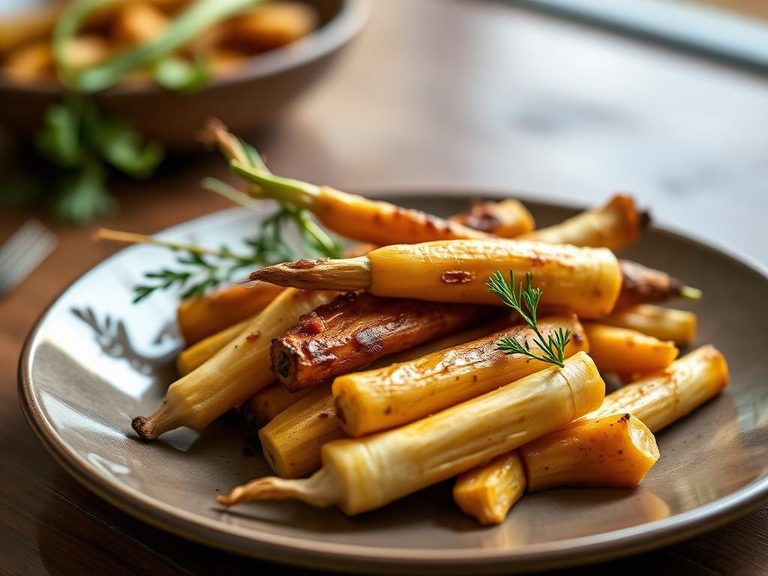
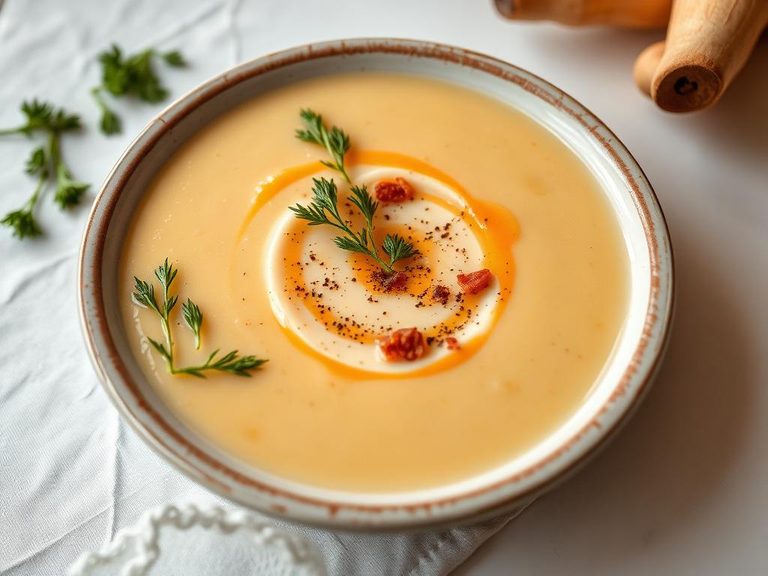
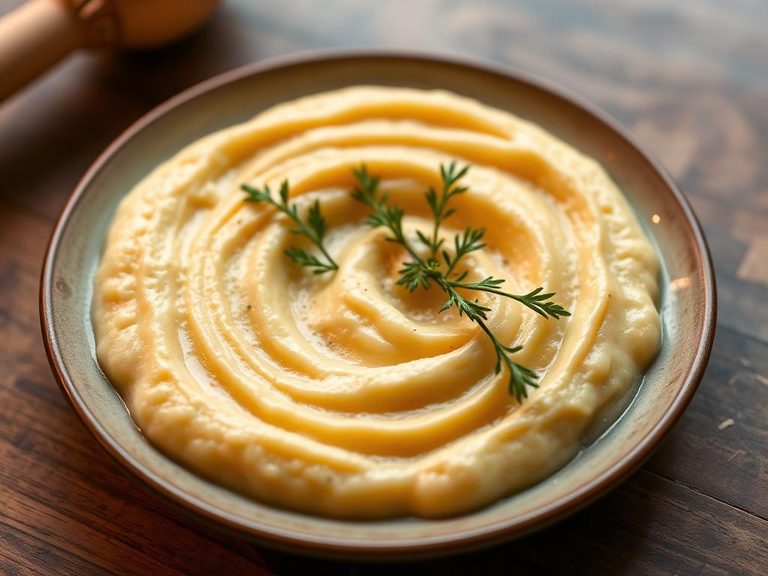
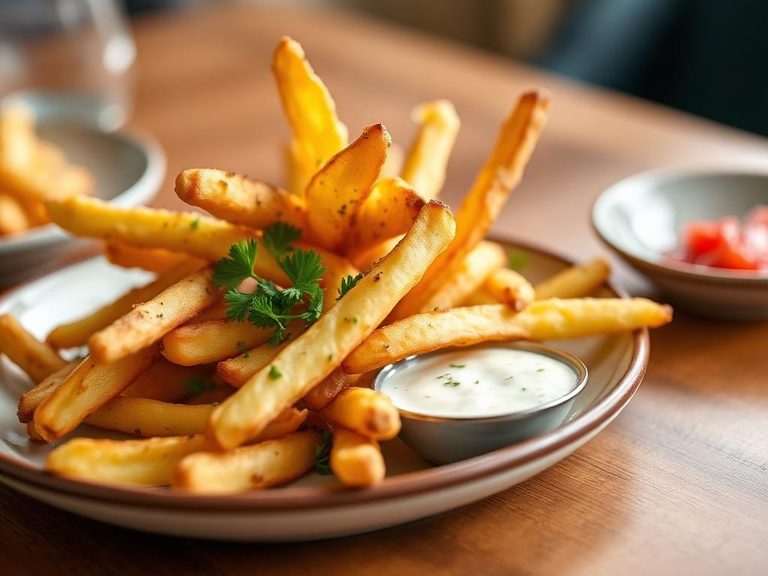
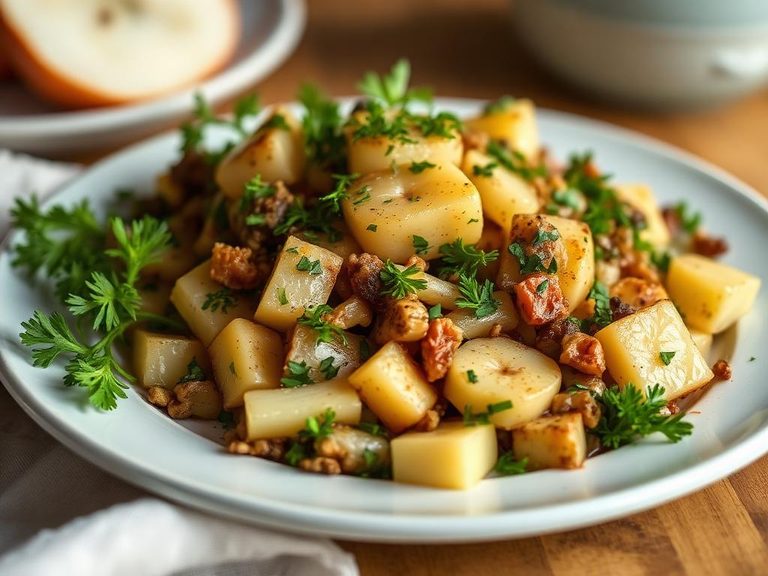
People love parsnips for their deep, sweet, and peppery flavor that intensifies with cooking, making them a versatile ingredient for roasting, mashing, or adding to soups and stews. Their earthy sweetness pairs beautifully with winter spices like nutmeg and cinnamon, and they are a cornerstone of traditional European winter cuisine.
⚠️ Watch-outs & how to enjoy it better
Raw parsnips can be quite starchy and may cause blood sugar spikes for some individuals due to their higher carbohydrate content. To mitigate this, pair them with a source of protein or healthy fat (like nuts or olive oil) to slow sugar absorption, or consume them cooked, which can alter the starch structure. Also, those with kidney issues should be mindful of their oxalate content.
Key benefits
- Rich in dietary fiber, supporting digestive health.
- Provides a good source of complex carbohydrates for energy.
- Contains vitamin C and potassium.
- Low in fat and naturally free of cholesterol.
- Offers antioxidants like falcarinol.
🍽️ Popular dishes
🌍 Where it's eaten
💡 Did you know?
Before the 18th century, when carrots were bred to be orange, parsnips were the primary sweet, starchy root vegetable in European diets and were even used to sweeten jams and desserts.
Full nutrition (scales with serving)
| Water | 77.8 g |
| Energy (Atwater General Factors) | 87.1 kcal |
| Nitrogen | 0.20 g |
| Protein | 1.3 g |
| Total lipid (fat) | 0.54 g |
| Ash | 1.2 g |
| Carbohydrate, by difference | 19.3 g |
| Fiber, total dietary | 5.4 g |
| Sugars, Total | 10.5 g |
| Sucrose | 10.0 g |
| Glucose | 0.34 g |
| Fructose | 0.18 g |
| Lactose | 0.00 g |
| Maltose | 0.00 g |
| Calcium, Ca | 44.2 mg |
| Iron, Fe | 0.51 mg |
| Magnesium, Mg | 22.0 mg |
| Phosphorus, P | 62.5 mg |
| Potassium, K | 493 mg |
| Sodium, Na | 0.49 mg |
| Zinc, Zn | 0.33 mg |
| Copper, Cu | 0.12 mg |
| Manganese, Mn | 0.24 mg |
| Vitamin C, total ascorbic acid | 11.8 mg |
| Biotin | 4.3 ug |
| Folate, total | 83.4 ug |
FAQ
Are parsnips the same as white carrots?
No, they are different vegetables. Parsnips (Pastinaca sativa) are a distinct species from carrots (Daucus carota). While they look similar, parsnips are generally sweeter, nuttier, and have a different texture and nutritional profile.
Can you eat parsnips raw?
Yes, raw parsnips are edible and have a crisp, slightly peppery flavor. They can be grated into salads or used as a crunchy snack. However, they are more commonly cooked to bring out their natural sweetness and soften their texture.
How do I store parsnips?
Store parsnips in a cool, dark, and humid place like a refrigerator's crisper drawer or a root cellar. They can last for several weeks if kept in a plastic bag to retain moisture. Avoid storing them near apples or pears, as the ethylene gas they release can cause parsnips to become bitter.