

Carissa, (natal-plum), raw
Whole food · Fruits and Fruit Juices

Photo: Wikipedia
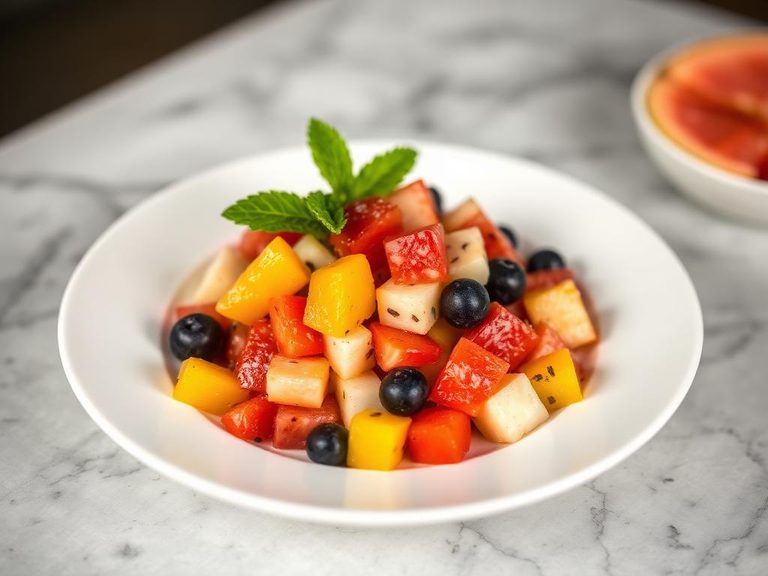
Carissa, also known as natal plum, is a vibrant, glossy red fruit with a thick, waxy skin and a sweet-tart, cranberry-like flavor. Its firm, juicy flesh offers a refreshing crunch, making it a delightful raw snack or a colorful addition to salads. With a modest 62 calories per 100g, it provides a balanced mix of carbs and healthy fats without any fiber or sugar, making it a light yet satisfying treat.
Calorie split: 3% protein · 80% carbs · 17% fat
↓ Full nutrition💚 Why it's loved
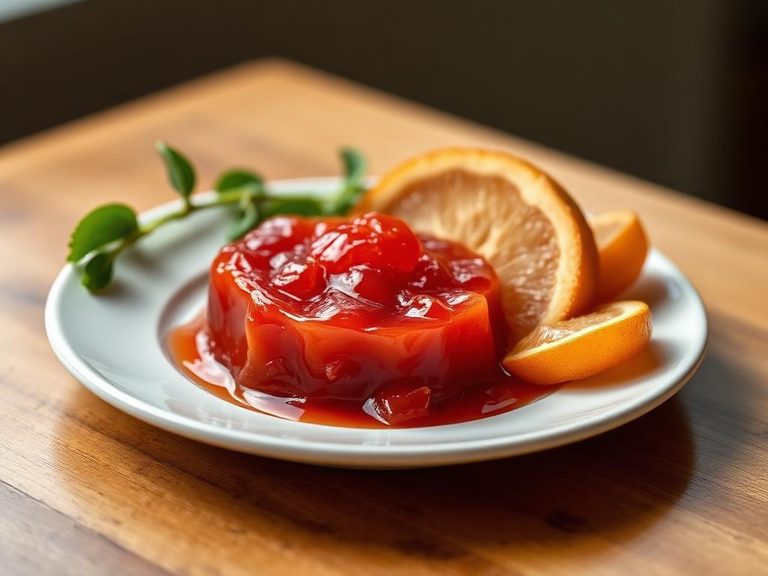
People love carissa for its unique, cranberry-like tartness and juicy texture, which adds a refreshing zing to both sweet and savory dishes. It's cherished in South African and tropical cuisines for its versatility, often used in jams, jellies, and fresh salads, and its vibrant color makes it a visual delight.
⚠️ Watch-outs & how to enjoy it better
The fruit's seeds can be a choking hazard if not removed, and its high oxalate content may concern those prone to kidney stones. To counteract, always remove seeds before consumption and pair with calcium-rich foods like yogurt or cheese to reduce oxalate absorption.
Key benefits
- Rich in vitamin C for immune support
- Contains antioxidants like lycopene and anthocyanins
- Low in calories, ideal for weight management
- Provides healthy fats from its seeds
- Supports hydration with high water content
🍽️ Popular dishes
🌍 Where it's eaten
💡 Did you know?
Carissa carandas, the natal plum, is a member of the dogbane family and its thorny branches are often used as natural hedges in tropical regions.
Full nutrition (USDA data · scales with serving)
| Water | 84.2 g |
| Energy | 62.0 kcal |
| Energy | 259 kj |
| Protein | 0.50 g |
| Total lipid (fat) | 1.3 g |
| Ash | 0.40 g |
| Carbohydrate, by difference | 13.6 g |
| Calcium, Ca | 11.0 mg |
| Iron, Fe | 1.3 mg |
| Magnesium, Mg | 16.0 mg |
| Phosphorus, P | 7.0 mg |
| Potassium, K | 260 mg |
| Sodium, Na | 3.0 mg |
| Copper, Cu | 0.21 mg |
| Vitamin C, total ascorbic acid | 38.0 mg |
| Thiamin | 0.04 mg |
| Riboflavin | 0.06 mg |
| Niacin | 0.20 mg |
| Vitamin B-12 | 0.00 ug |
| Vitamin A, RAE | 2.0 ug |
| Retinol | 0.00 ug |
| Vitamin A, IU | 40.0 iu |
Fat & fatty acid profile (per 100g)
| Fatty acids, total trans | 0.00 g |
| Cholesterol | 0.00 mg |
FAQ
What does carissa taste like?
Carissa has a sweet-tart flavor similar to cranberries or cherries, with a juicy, firm texture that's refreshing and slightly tangy.
Is carissa safe to eat raw?
Yes, carissa is safe to eat raw, but ensure the seeds are removed as they can be a choking hazard. The fruit is commonly enjoyed fresh or in salads.
How is carissa used in cooking?
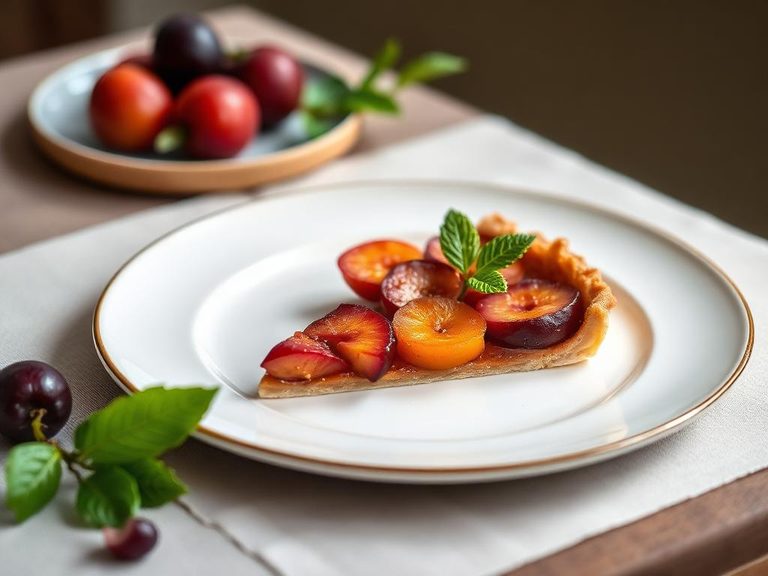
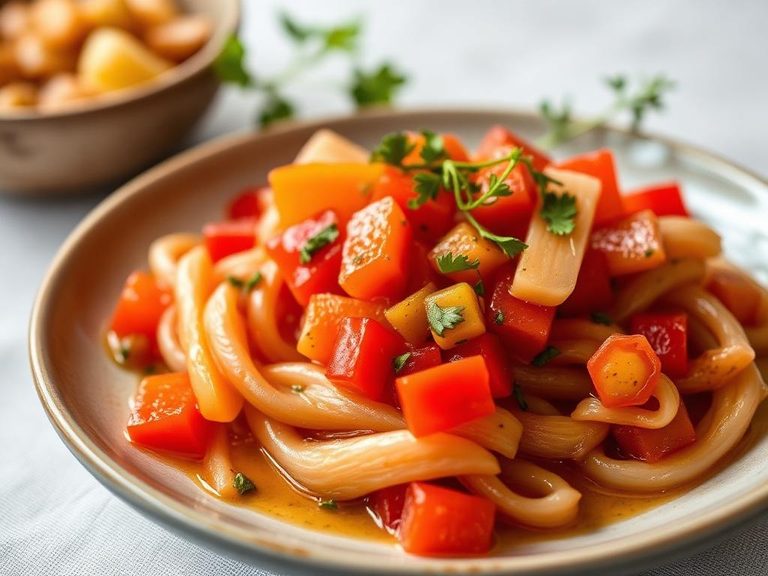
Carissa is versatile, used in jams, jellies, tarts, salads, and even pickles. Its tartness pairs well with both sweet and savory dishes, and it can be infused into syrups or cocktails.
Nutrient density (calculated · NRF9.3)
Nutrient Rich Foods index: beneficial nutrients (protein, fiber, vitamins, minerals) minus saturated fat, added sugar & sodium, per 100 kcal.
NRF9.3 index — Fulgoni, Keast & Drewnowski, 2009. Computed from USDA nutrients.
Weight-loss friendliness (composite index)
Energy density 0.62 kcal/g · 3% calories from protein · 0.0 g fiber · 0.0 g sugar per 100 g.
Composite of energy density (Rolls et al., 1999), protein & fiber satiety, minus sugar. A calculated heuristic — ranks satiety-per-calorie, not a clinical measure.
Dietary load (calculated from USDA values)
Potential renal acid load. Positive = acid-forming, negative = alkaline-forming.
Sodium-to-potassium ratio: 0.01 (lower is better — aim for ≤ 1)
Sodium:potassium per WHO potassium guidance. Computed from USDA nutrients.