

Ascidians (tunughnak) (Alaska Native)
Whole food · American Indian/Alaska Native Foods

Photo: Wikipedia
Ascidians, known as tunughnak in Alaska Native cultures, are marine invertebrates harvested from coastal waters and prized for their unique, briny flavor and firm, slightly chewy texture. These sea squirts are exceptionally lean, offering a notable protein punch with virtually no fat or carbohydrates, making them a pure, oceanic protein source. Their taste is often described as a blend of clam and cucumber with a distinct, iodine-rich finish that speaks to their wild, cold-water origins.
Calorie split: 77% protein · 0% carbs · 23% fat
↓ Full nutrition💚 Why it's loved
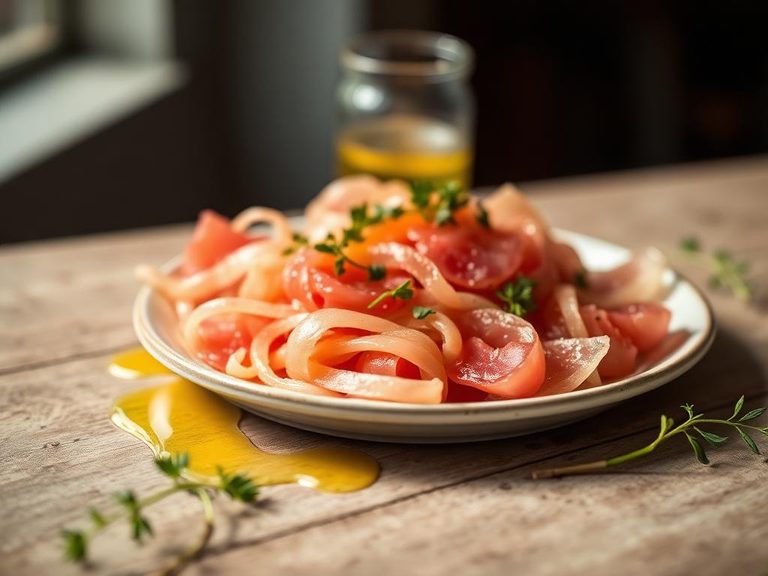
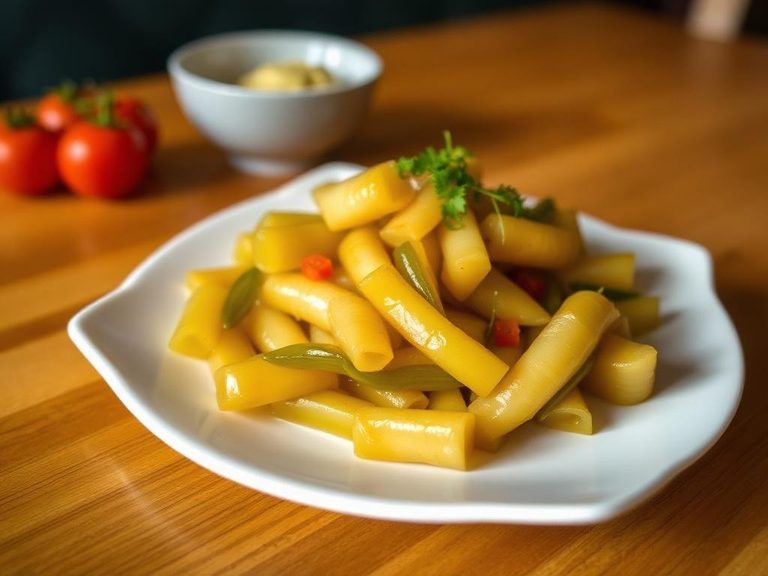
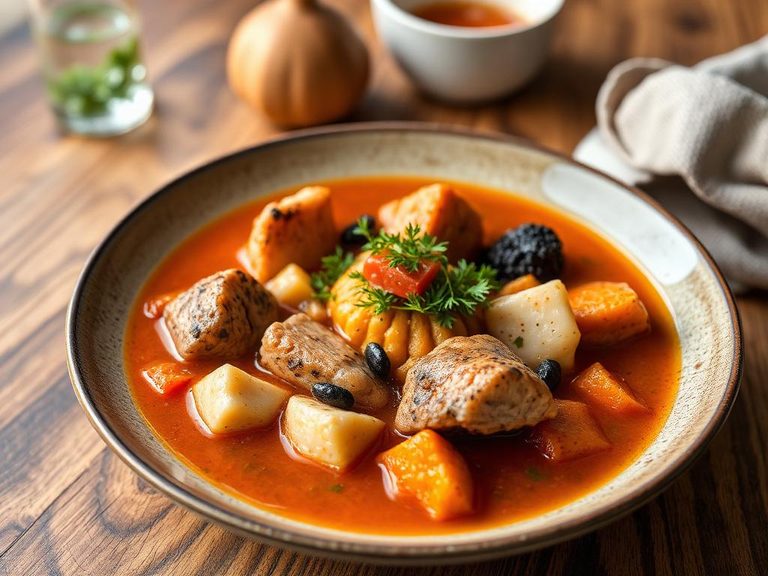
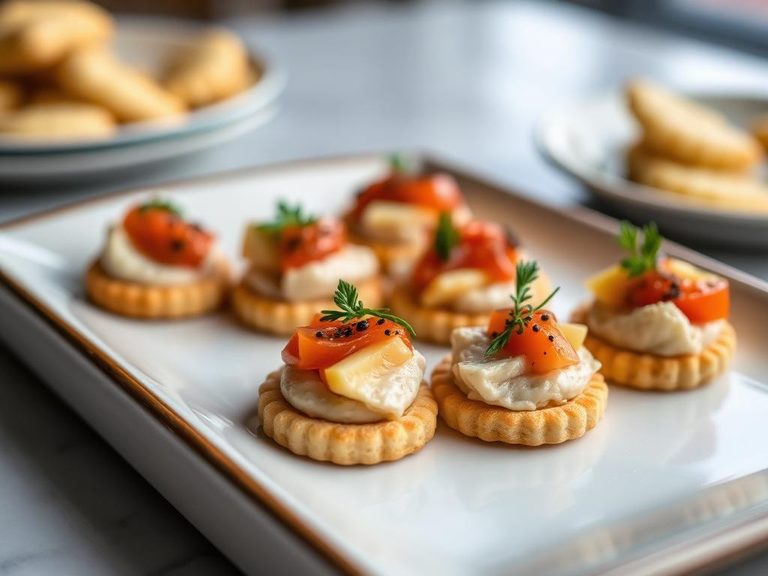
People love tunughnak for its authentic, briny taste of the sea and its cultural significance as a traditional subsistence food in Alaska Native communities. Its versatility allows it to be enjoyed raw, pickled, or cooked, providing a unique texture and flavor that connects eaters to coastal heritage.
⚠️ Watch-outs & how to enjoy it better
The strong, iodine-like flavor and chewy texture can be unfamiliar or off-putting to those unaccustomed to it. To counteract any potential mineral heaviness, pair it with acidic elements like lemon or vinegar, or incorporate it into a balanced meal with vegetables to soften the intensity.
Key benefits
- High-quality, lean protein source (3.8g per 100g)
- Extremely low in calories (20 kcal per 100g)
- Zero carbohydrates, sugar, or fiber
- Rich in essential minerals like iodine and zinc
- Traditional, sustainable wild-harvested food
🍽️ Popular dishes
🌍 Where it's eaten
💡 Did you know?
Ascidians are filter feeders that can actually remove heavy metals and pollutants from seawater, making them natural bioindicators of ocean health.
Full nutrition (USDA data · scales with serving)
| Water | 90.4 g |
| Energy | 20.0 kcal |
| Energy | 82.0 kj |
| Protein | 3.8 g |
| Total lipid (fat) | 0.50 g |
| Ash | 3.1 g |
| Carbohydrate, by difference | 0.00 g |
| Calcium, Ca | 47.0 mg |
| Iron, Fe | 3.3 mg |
| Potassium, K | 102 mg |
| Sodium, Na | 656 mg |
| Vitamin C, total ascorbic acid | 0.00 mg |
| Thiamin | 0.00 mg |
| Riboflavin | 0.20 mg |
| Niacin | 0.00 mg |
| Vitamin A, IU | 0.00 iu |
Fat & fatty acid profile (per 100g)
| Fatty acids, total saturated | 0.10 g |
| Fatty acids, total monounsaturated | 0.12 g |
| Fatty acids, total polyunsaturated | 0.20 g |
| PUFA 18:2 | 0.00 g |
| PUFA 18:3 | 0.00 g |
| Cholesterol | 7.0 mg |
FAQ
What do tunughnak taste like?
They have a briny, oceanic flavor similar to clams or mussels, with a firm, slightly chewy texture and a hint of iodine.
How are tunughnak traditionally prepared?
They are often eaten raw, pickled, or cooked in stews, and are sometimes served with oil and vinegar as a simple, flavorful dish.
Are tunughnak safe to eat?
Yes, when harvested from clean waters and prepared properly, they are a safe and nutritious traditional food.
Nutrient density (calculated · NRF9.3)
Nutrient Rich Foods index: beneficial nutrients (protein, fiber, vitamins, minerals) minus saturated fat, added sugar & sodium, per 100 kcal.
NRF9.3 index — Fulgoni, Keast & Drewnowski, 2009. Computed from USDA nutrients.
Weight-loss friendliness (composite index)
Energy density 0.20 kcal/g · 76% calories from protein · 0.0 g fiber · 0.0 g sugar per 100 g.
Composite of energy density (Rolls et al., 1999), protein & fiber satiety, minus sugar. A calculated heuristic — ranks satiety-per-calorie, not a clinical measure.
Dietary load (calculated from USDA values)
Sodium-to-potassium ratio: 6.43 (lower is better — aim for ≤ 1)
Sodium:potassium per WHO potassium guidance. Computed from USDA nutrients.