

Pickled tunughnak
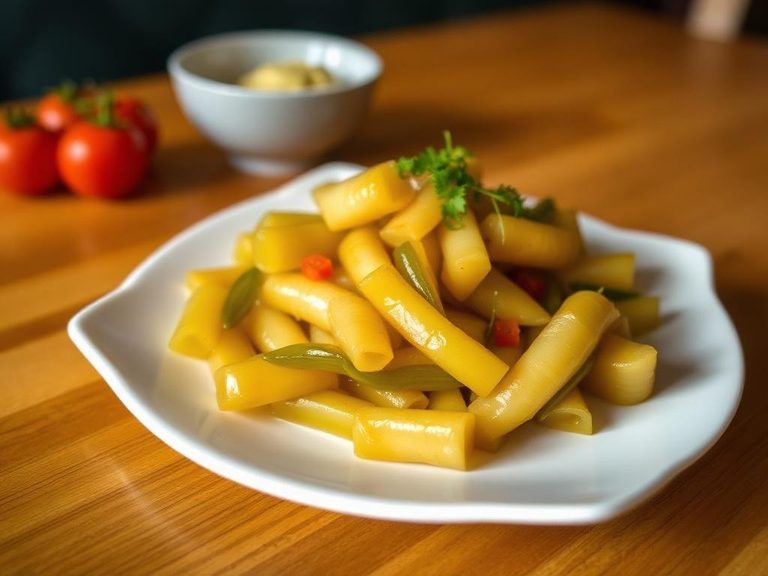
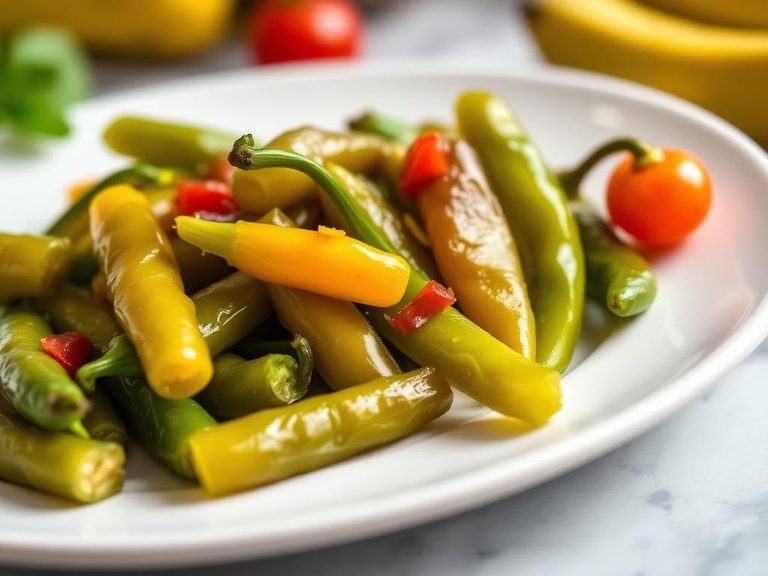
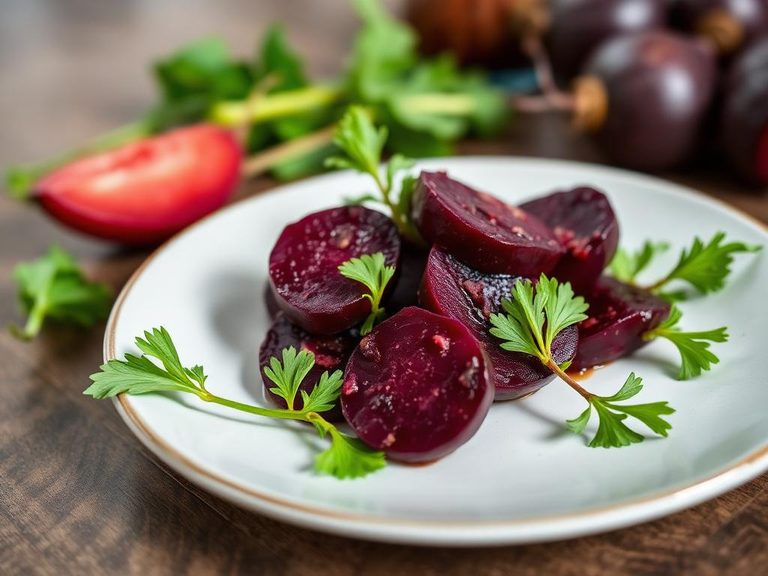
Pickled tunughnak is a traditional Armenian condiment made from the tender, unopened flower buds of the mallow plant, preserved in a brine of salt, water, and sometimes vinegar or lemon juice. It is typically seasoned with garlic, red pepper flakes, and herbs like cilantro or dill, creating a tangy, savory, and slightly spicy flavor profile. This dish is a staple in Armenian cuisine, often served as a side or appetizer to accompany meals.
🍽️ Nutrition at a glance
Pickled tunughnak is low in calories and carbohydrates, with a modest amount of fiber and protein from the mallow buds. It is a good source of vitamins A and C, as well as minerals like calcium and iron, and its sodium content is relatively high due to the pickling brine.
Nutrition breakdown
| Calories | 35 kcal |
| Protein | 1.5 g |
| Carbs | 6 g |
| Fat | 0.5 g |
| Fiber | 2.5 g |
| Sugar | 1 g |
| Sodium | 850 mg |
| Vitamin A | 120 mcg |
| Vitamin C | 15 mg |
| Calcium | 180 mg |
| Iron | 2.5 mg |
| Potassium | 350 mg |
| Magnesium | 30 mg |
| Manganese | 0.4 mg |
| Folate | 40 mcg |
Per 1 cup (150 g) · estimated, varies by recipe
💡 What's interesting
Culturally, pickled tunughnak is a cherished part of Armenian culinary heritage, often prepared in the spring when mallow buds are in season, and it reflects the tradition of preserving seasonal produce. Nutritionally, mallow buds are rich in antioxidants and have been traditionally used in folk medicine for their potential anti-inflammatory properties.
🍽️ Related dishes
AI estimate may be inaccurate · Terms