Turnips, raw
Whole food · Vegetables and Vegetable Products
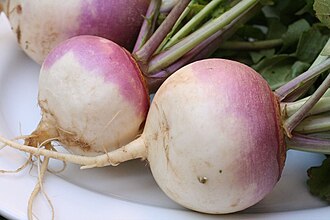
Photo: Wikipedia
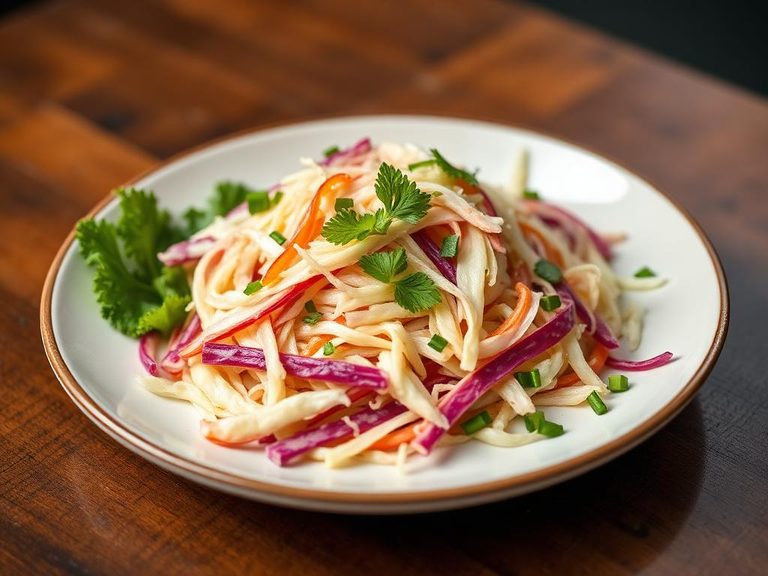
The raw turnip is a crisp, peppery root vegetable with a satisfying crunch and a slightly sweet, earthy bite. Its low calorie count (34 kcal per 100g) and modest protein make it a light, refreshing addition to salads and slaws. The natural, mild heat intensifies as it matures, offering a unique flavor profile that balances sweetness with a subtle, mustard-like zing.
💚 Why it's loved
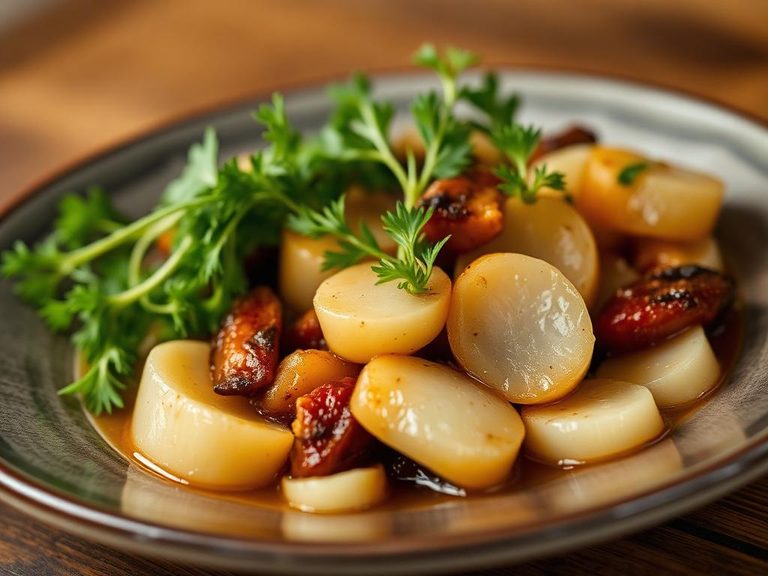
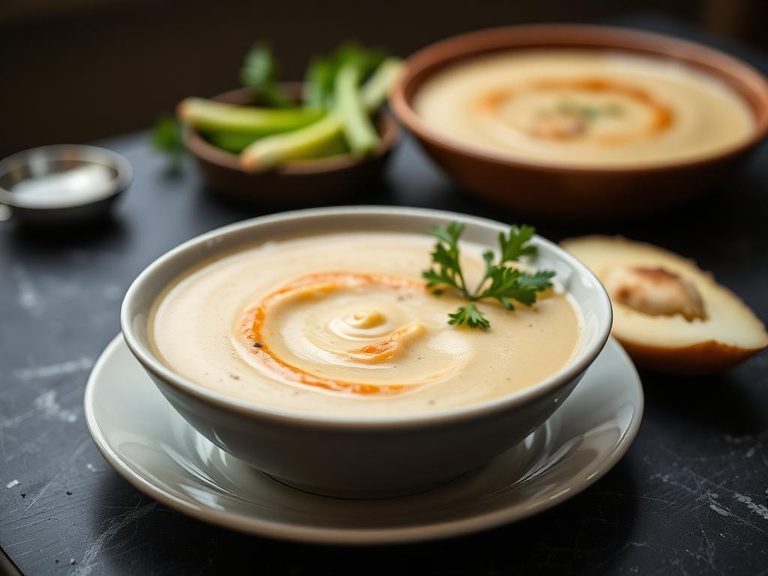
People love the turnip's versatility—it can be eaten raw for a crisp, peppery punch or cooked to bring out its natural sweetness. In many cultures, it's a staple root vegetable, cherished for its ability to absorb flavors in soups, roasts, and stews.
⚠️ Watch-outs & how to enjoy it better
Some find the raw turnip's bitterness or peppery bite off-putting, especially if it's mature. To counteract this, pair it with a fat like olive oil or a sweet element like apple to mellow the flavor. If you're sensitive to oxalates, which can contribute to kidney stones, consider cooking the turnip to reduce oxalate content.
Key benefits
- High in fiber (1.9g per 100g) to support digestion.
- Very low in fat and calories, aiding weight management.
- Rich in vitamin C, an antioxidant that supports immune function.
- Contains glucosinolates, compounds linked to cancer prevention.
- Provides potassium, which helps regulate blood pressure.
🍽️ Popular dishes
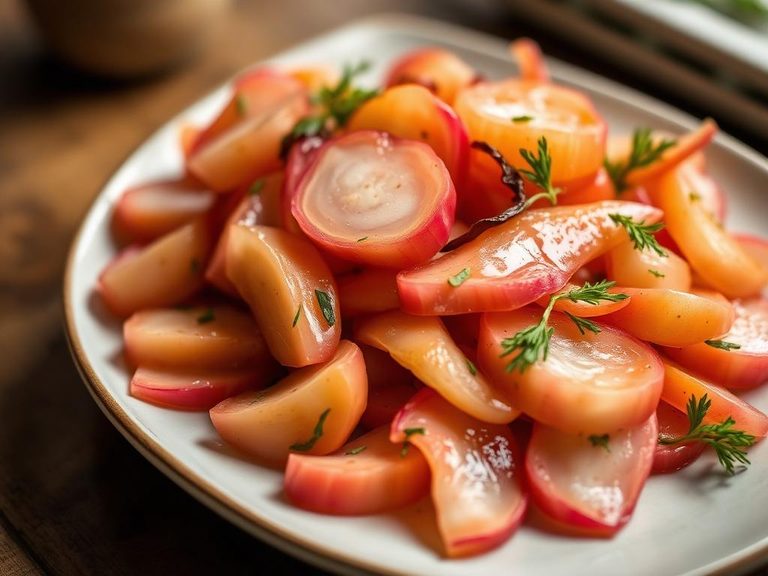
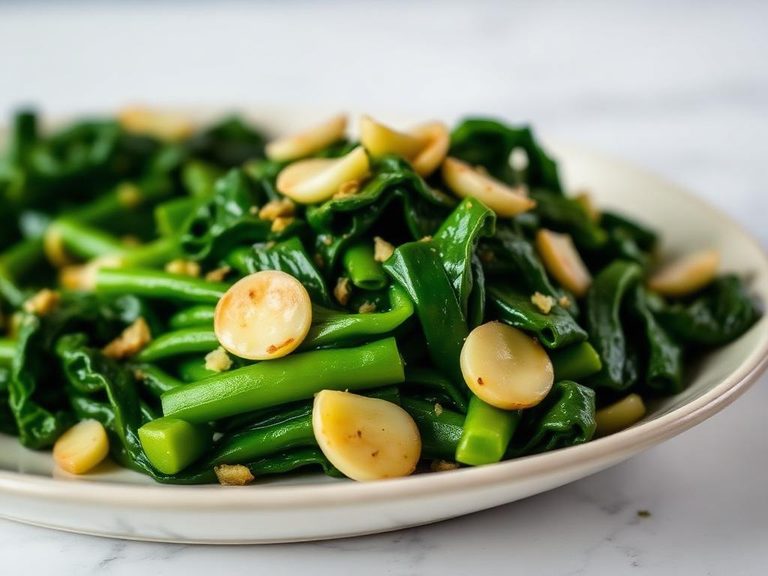
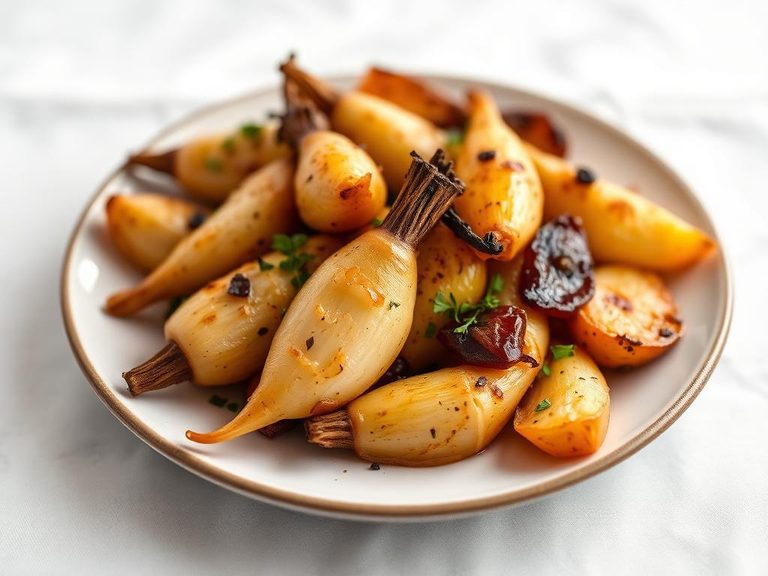
🌍 Where it's eaten
💡 Did you know?
In the 18th century, turnips were so popular in Britain that they were used as a form of currency in some rural areas, and their cultivation was a key factor in the Agricultural Revolution.
Full nutrition (scales with serving)
| Water | 91.0 g |
| Energy (Atwater General Factors) | 34.0 kcal |
| Nitrogen | 0.15 g |
| Protein | 0.95 g |
| Total lipid (fat) | 0.12 g |
| Ash | 0.63 g |
| Carbohydrate, by difference | 7.3 g |
| Fiber, total dietary | 1.9 g |
| Sugars, Total | 5.1 g |
| Sucrose | 0.26 g |
| Glucose | 2.7 g |
| Fructose | 2.1 g |
| Lactose | 0.00 g |
| Maltose | 0.00 g |
| Calcium, Ca | 32.7 mg |
| Iron, Fe | 0.00 mg |
| Magnesium, Mg | 10.4 mg |
| Phosphorus, P | 31.3 mg |
| Potassium, K | 262 mg |
| Sodium, Na | 12.8 mg |
| Zinc, Zn | 0.16 mg |
| Copper, Cu | 0.02 mg |
| Manganese, Mn | 0.07 mg |
| Vitamin C, total ascorbic acid | 26.8 mg |
| Vitamin B-6 | 0.12 mg |
| Biotin | 0.96 ug |
| Folate, total | 60.2 ug |
FAQ
How do I choose a good turnip?
Look for firm, smooth turnips with a creamy white base and purple or green tops. Avoid those with soft spots or cracks, as they may be old or damaged.
Can I eat turnip greens?
Yes, turnip greens are edible and nutritious, often cooked in soups or sautéed. They are rich in vitamins A, C, and K, and can be used similarly to spinach or kale.
How should I store turnips?
Store turnips in a cool, dark place like a root cellar or refrigerator. They can last for several weeks if kept dry and away from other produce that releases ethylene gas.