

Sorghum bran, white, unenriched, dry, raw
Whole food · Cereal Grains and Pasta
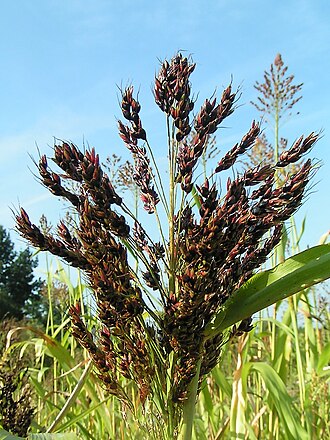
Photo: Wikipedia
White sorghum bran is the fibrous outer layer of the white sorghum grain, milled into a coarse, nutty powder. It has a mildly earthy, slightly sweet taste with a gritty texture that adds substance to baked goods and porridges. Nutritionally, it is a powerhouse of dietary fiber, delivering nearly 35 grams per 100g, making it one of the most fiber-dense whole grain brans available.
Calorie split: 11% protein · 68% carbs · 21% fat
↓ Full nutrition💚 Why it's loved
People love it for its earthy, nutty flavor that adds depth to breads, muffins, and porridges without overpowering other ingredients. Its versatility in both sweet and savory dishes, coupled with its impressive fiber content, makes it a favorite among health-conscious bakers and traditional cooks alike.
⚠️ Watch-outs & how to enjoy it better
Its coarse, gritty texture can be off-putting in some preparations, and its high fiber content may cause digestive discomfort (bloating or gas) if introduced too quickly. To counteract this, start with small portions (e.g., 1-2 tablespoons) and gradually increase intake, and pair it with plenty of water or other liquids to aid digestion.
Key benefits
- Exceptionally high in dietary fiber (34.95g per 100g), supporting digestive health.
- Good source of plant-based protein (11.17g per 100g) for sustained energy.
- Naturally gluten-free, suitable for those with celiac disease or gluten sensitivity.
- Rich in antioxidants and phenolic compounds, which help combat oxidative stress.
- Low in sugar (0g per 100g), making it a low-glycemic choice for blood sugar management.
🍽️ Popular dishes
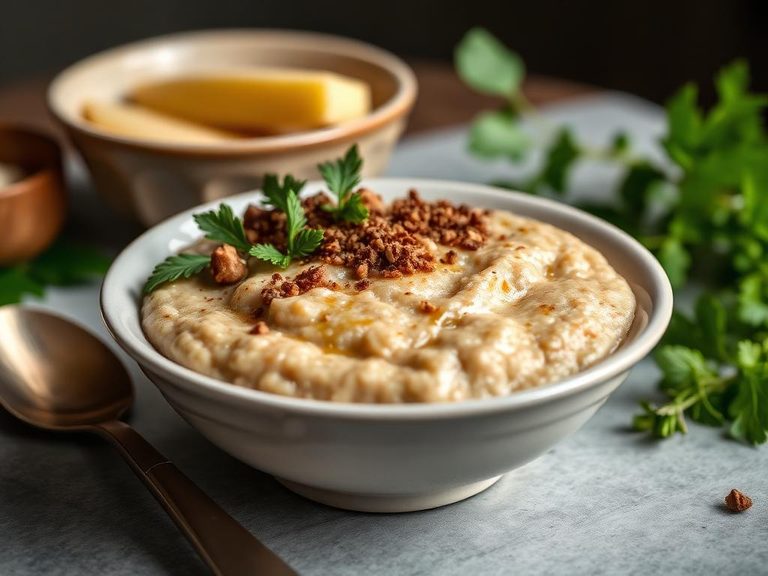
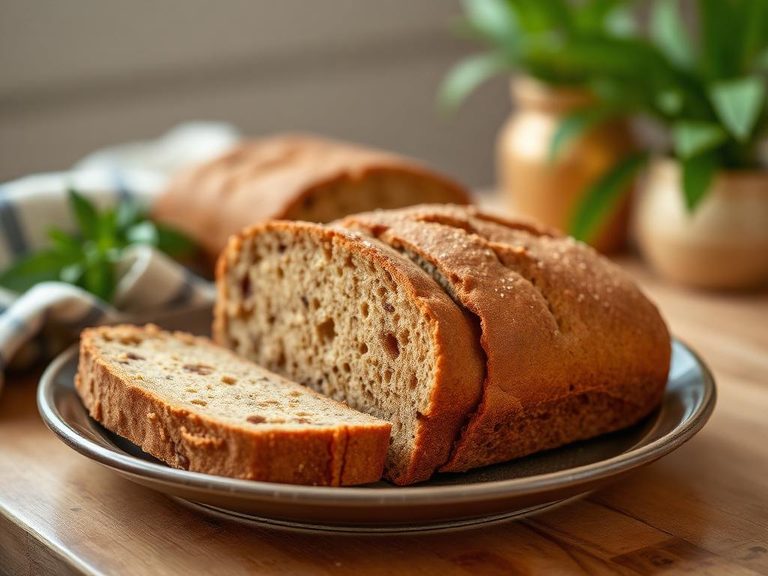
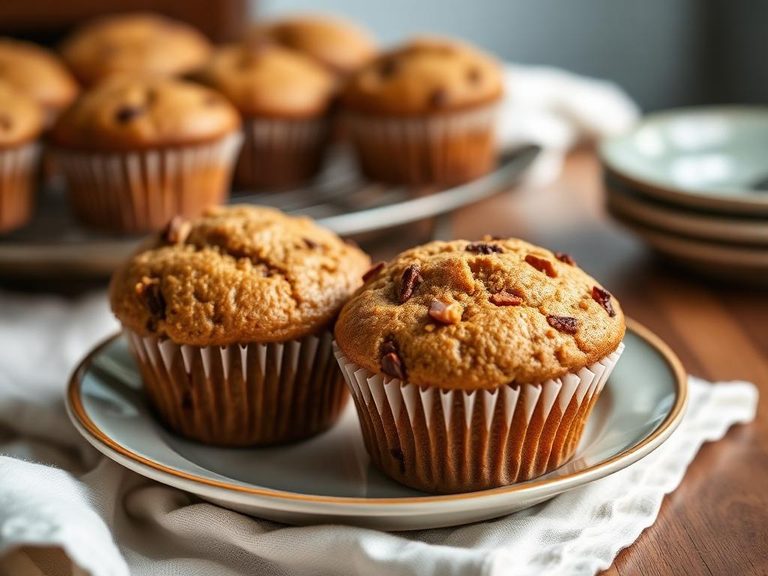

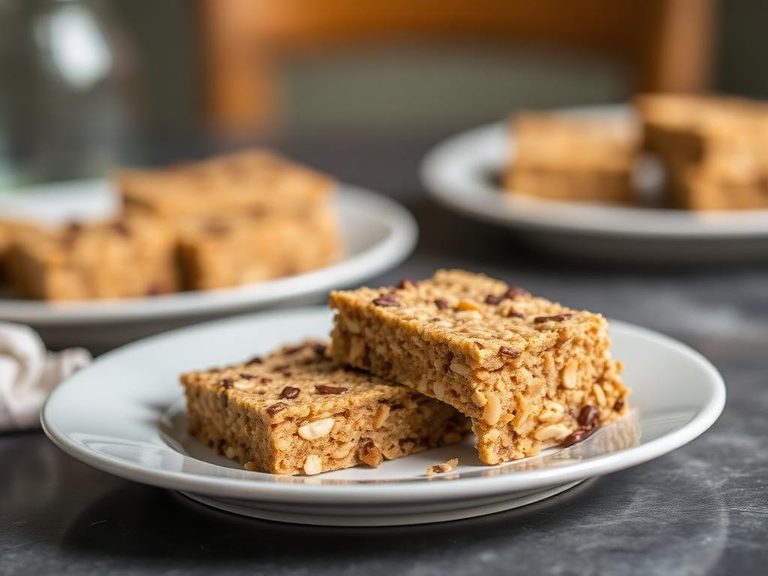
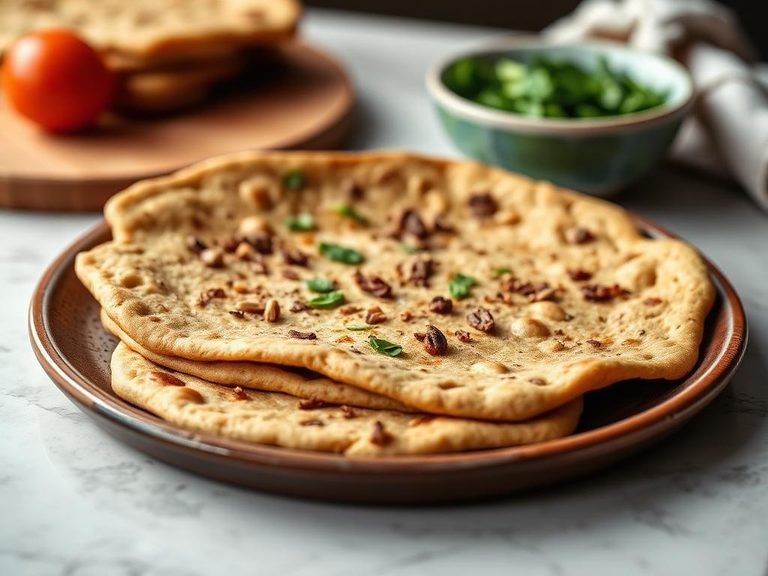
🌍 Where it's eaten
💡 Did you know?
Sorghum is the fifth most important cereal crop in the world, and its bran is often used as a gluten-free alternative to wheat bran in baking, but it's also a key ingredient in traditional African fermented beverages like 'dolo' beer.
Full nutrition (USDA data · scales with serving)
| Water | 7.4 g |
| Energy (Atwater General Factors) | 403 kcal |
| Energy (Atwater Specific Factors) | 365 kcal |
| Nitrogen | 1.8 g |
| Protein | 11.2 g |
| Total lipid (fat) | 9.3 g |
| Ash | 3.5 g |
| Carbohydrate, by difference | 68.7 g |
| Fiber, total dietary | 35.0 g |
| Starch | 32.7 g |
| Calcium, Ca | 61.7 mg |
| Iron, Fe | 14.2 mg |
| Magnesium, Mg | 274 mg |
| Phosphorus, P | 517 mg |
| Potassium, K | 852 mg |
| Sodium, Na | 2.9 mg |
| Zinc, Zn | 4.4 mg |
| Copper, Cu | 0.84 mg |
| Manganese, Mn | 3.8 mg |
| Thiamin | 0.56 mg |
| Niacin | 24.6 mg |
| Vitamin B-6 | 0.41 mg |
| Biotin | 109 ug |
FAQ
Is sorghum bran gluten-free?
Yes, sorghum bran is naturally gluten-free, making it a safe and nutritious option for individuals with celiac disease or gluten sensitivity.
How does sorghum bran compare to wheat bran in fiber content?
Sorghum bran has a significantly higher fiber content (34.95g per 100g) compared to wheat bran (approximately 40g per 100g), but it is also lower in calories and sugar, making it a more balanced choice for fiber supplementation.
Can I use sorghum bran in gluten-free baking?
Absolutely! Sorghum bran is an excellent addition to gluten-free baking, as it adds texture, fiber, and a mild nutty flavor. It can be used in breads, muffins, pancakes, and other baked goods, often in combination with other gluten-free flours like rice or almond flour.
Nutrient density (calculated · NRF9.3)
Nutrient Rich Foods index: beneficial nutrients (protein, fiber, vitamins, minerals) minus saturated fat, added sugar & sodium, per 100 kcal.
NRF9.3 index — Fulgoni, Keast & Drewnowski, 2009. Computed from USDA nutrients.
Weight-loss friendliness (composite index)
Energy density 4.03 kcal/g · 11% calories from protein · 35.0 g fiber · 0.0 g sugar per 100 g.
Composite of energy density (Rolls et al., 1999), protein & fiber satiety, minus sugar. A calculated heuristic — ranks satiety-per-calorie, not a clinical measure.
Dietary load (calculated from USDA values)
Potential renal acid load. Positive = acid-forming, negative = alkaline-forming.
Sodium-to-potassium ratio: 0.00 (lower is better — aim for ≤ 1)
Sodium:potassium per WHO potassium guidance. Computed from USDA nutrients.