

Scallops, sea, frozen, wild caught
Whole food · Finfish and Shellfish Products
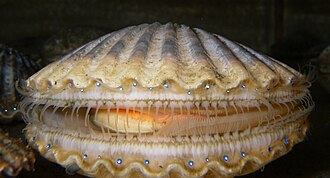
Photo: Wikipedia
Sea scallops are the large, plump adductor muscles of scallops, prized for their sweet, delicate flavor and tender, buttery texture when cooked. They are exceptionally lean, offering a high-protein, low-fat profile with minimal carbohydrates. Their quick-cooking nature and clean taste make them a premium ingredient in many cuisines.
Calorie split: 81% protein · 12% carbs · 7% fat
↓ Full nutrition💚 Why it's loved
People love scallops for their unique, sweet oceanic flavor and luxurious, melt-in-your-mouth texture when seared properly. Their versatility allows them to be the star in simple pan-sears, complex curries, or elegant appetizers, making them a favorite in both home kitchens and fine dining.
⚠️ Watch-outs & how to enjoy it better
The primary downside is that scallops are a common shellfish allergen, and some individuals may experience severe reactions. They can also be high in sodium, especially if frozen with added phosphates or salt solutions; choosing dry-packed, untreated scallops and rinsing them can help reduce this. Additionally, they are a filter-feeding bivalve, so sourcing from clean waters is important to avoid contaminants.
Key benefits
- Excellent source of lean, high-quality protein for muscle maintenance.
- Very low in fat and calories, supporting weight management goals.
- Rich in selenium, an important antioxidant mineral.
- Contains vitamin B12, crucial for nerve function and red blood cell formation.
- Provides a good source of magnesium and potassium.
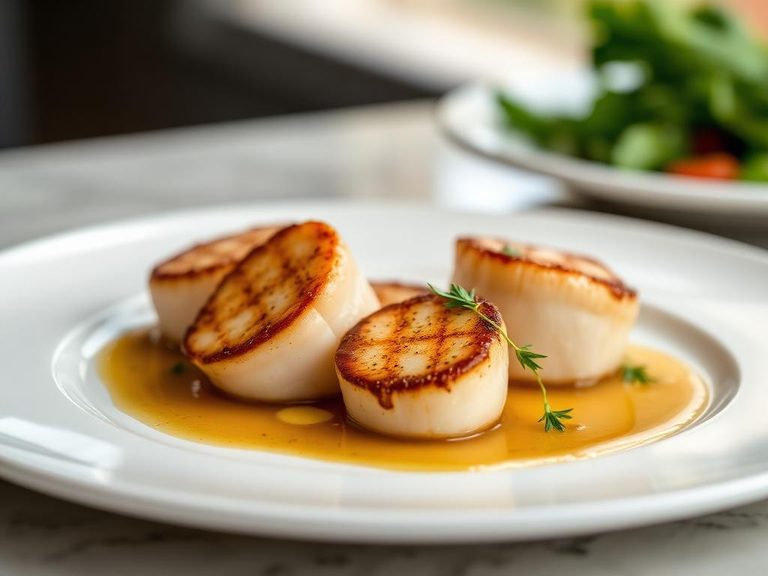
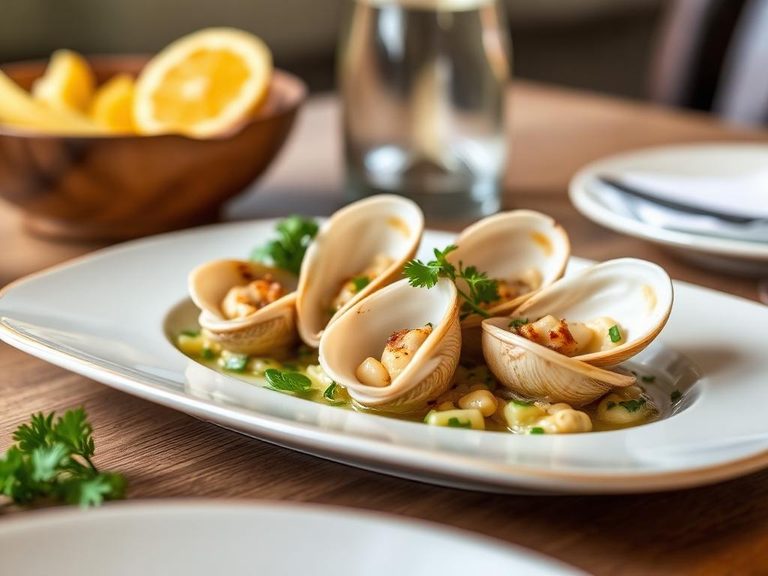
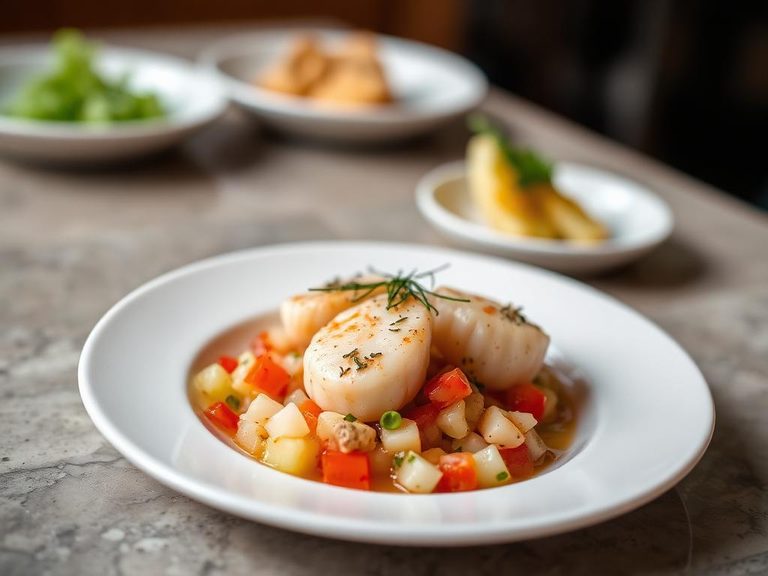
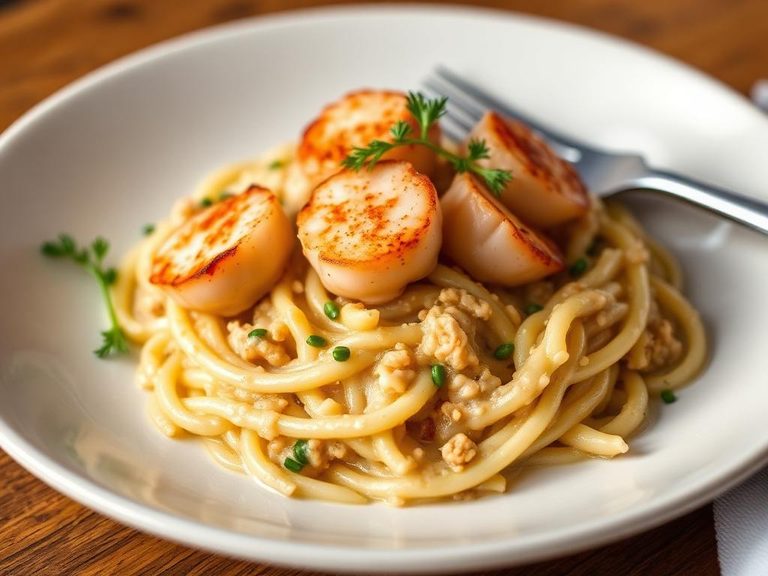
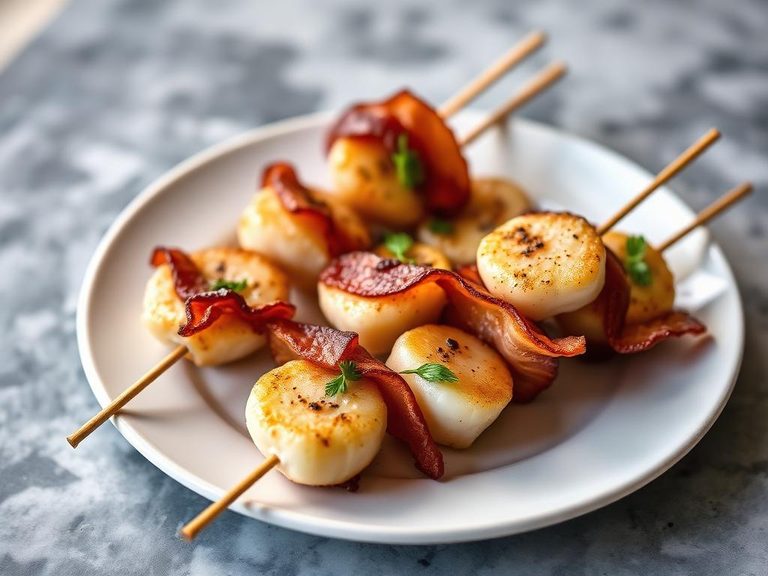
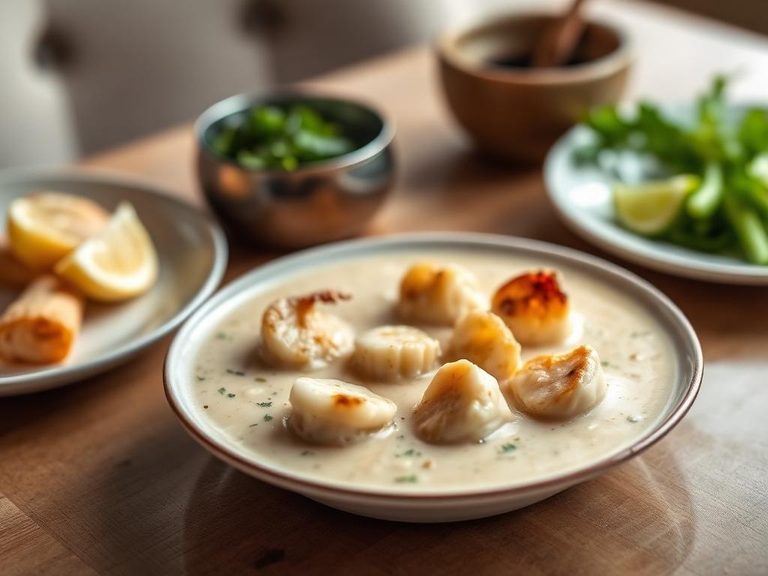
🍽️ Popular dishes
🌍 Where it's eaten
💡 Did you know?
Scallops are one of the few bivalves that can actively 'swim' by rapidly opening and closing their shells to propel themselves through the water, a behavior used to escape predators like sea stars.
Full nutrition (USDA data · scales with serving)
| Water | 82.5 g |
| Energy (Atwater General Factors) | 66.4 kcal |
| Nitrogen | 2.2 g |
| Protein | 13.5 g |
| Total lipid (fat) | 0.49 g |
| Ash | 1.5 g |
| Carbohydrate, by difference | 2.0 g |
| Calcium, Ca | 10.5 mg |
| Iron, Fe | 0.21 mg |
| Magnesium, Mg | 30.6 mg |
| Phosphorus, P | 214 mg |
| Potassium, K | 245 mg |
| Sodium, Na | 313 mg |
| Zinc, Zn | 1.0 mg |
| Copper, Cu | 0.00 mg |
| Manganese, Mn | 0.01 mg |
| Selenium, Se | 15.7 ug |
| Vitamin B-12 | 1.3 ug |
FAQ
How do I tell if frozen scallops are dry-packed or wet-packed?
Dry-packed scallops are not treated with any solution and will feel firm and dry to the touch. Wet-packed scallops are often soaked in a phosphate solution to retain water, making them look plumper but can have a rubbery texture and higher sodium content. Always check the label for added ingredients.
What's the best way to cook scallops for a good sear?
Pat scallops completely dry with paper towels, season just before cooking, and use a very hot pan with a high-smoke-point oil like avocado or grapeseed. Sear without moving for 1.5-2 minutes per side until a deep golden-brown crust forms.
Are scallops safe to eat raw?
Only if they are labeled as 'sushi-grade' or 'sashimi-grade' and have been flash-frozen to kill parasites. It's not recommended to eat raw scallops that haven't been properly treated, as they can harbor harmful bacteria and parasites.
Nutrient density (calculated · NRF9.3)
Nutrient Rich Foods index: beneficial nutrients (protein, fiber, vitamins, minerals) minus saturated fat, added sugar & sodium, per 100 kcal.
NRF9.3 index — Fulgoni, Keast & Drewnowski, 2009. Computed from USDA nutrients.
Weight-loss friendliness (composite index)
Energy density 0.66 kcal/g · 81% calories from protein · 0.0 g fiber · 0.0 g sugar per 100 g.
Composite of energy density (Rolls et al., 1999), protein & fiber satiety, minus sugar. A calculated heuristic — ranks satiety-per-calorie, not a clinical measure.
Dietary load (calculated from USDA values)
Potential renal acid load. Positive = acid-forming, negative = alkaline-forming.
Sodium-to-potassium ratio: 1.28 (lower is better — aim for ≤ 1)
Sodium:potassium per WHO potassium guidance. Computed from USDA nutrients.