

Rutabaga, peeled, raw
Whole food · Vegetables and Vegetable Products
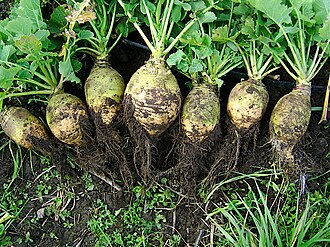
Photo: Wikipedia
Rutabaga, a cross between cabbage and turnip, is a hearty root vegetable with a subtly sweet, earthy flavor and a dense, creamy texture when cooked. Its raw form offers a crisp, peppery bite, making it a versatile addition to both salads and hearty stews. Nutritionally, it is a low-calorie powerhouse, providing significant fiber and essential vitamins like vitamin C and potassium.
Calorie split: 100% protein · 0% carbs · 0% fat
↓ Full nutrition💚 Why it's loved
People love rutabaga for its unique, sweet-earthy flavor that deepens with roasting or boiling, and its ability to add a creamy, comforting texture to soups, mashes, and gratins. It's a staple in Northern European and North American comfort food, valued for its long shelf life and satisfying, hearty character.
⚠️ Watch-outs & how to enjoy it better
Some find the raw rutabaga's slightly bitter and peppery taste off-putting, and its dense texture can be tough if not cooked properly. To counteract bitterness, peel it thoroughly and consider pairing it with sweet ingredients like carrots or apples, or roasting it with a touch of honey or maple syrup to balance the flavor.
Key benefits
- Excellent source of dietary fiber for digestive health.
- Rich in vitamin C, supporting immune function and skin health.
- Provides potassium, which helps regulate blood pressure.
- Low in calories and naturally fat-free, aiding in weight management.
- Contains antioxidants like glucosinolates, which may have protective health effects.
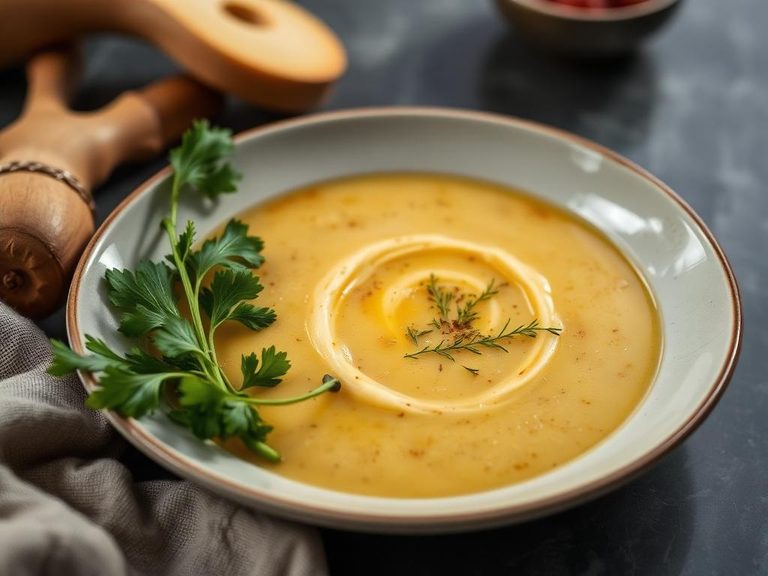
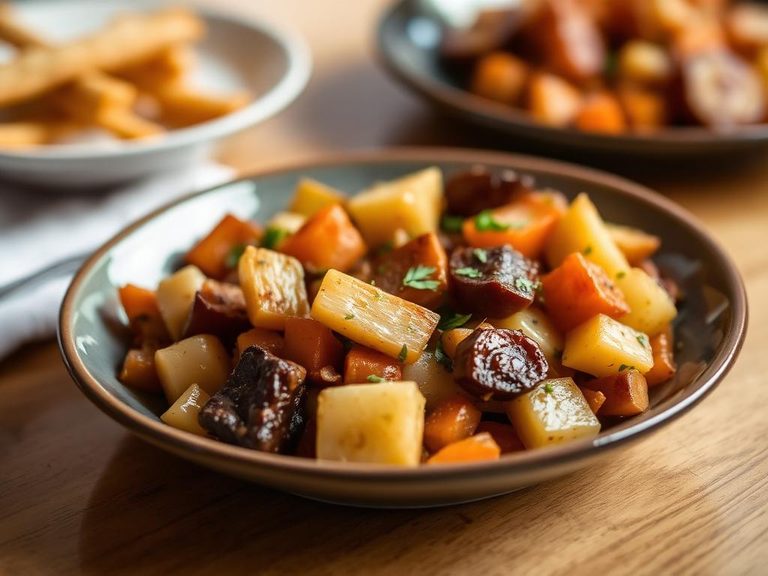
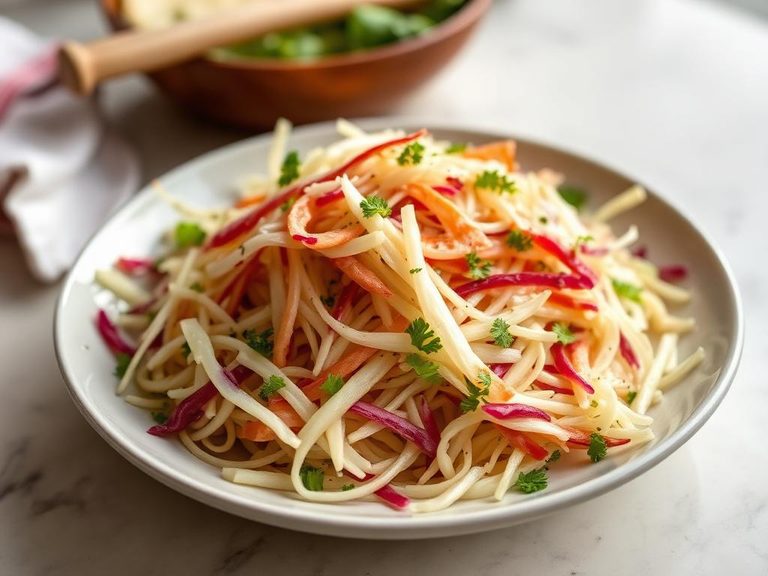
🍽️ Popular dishes
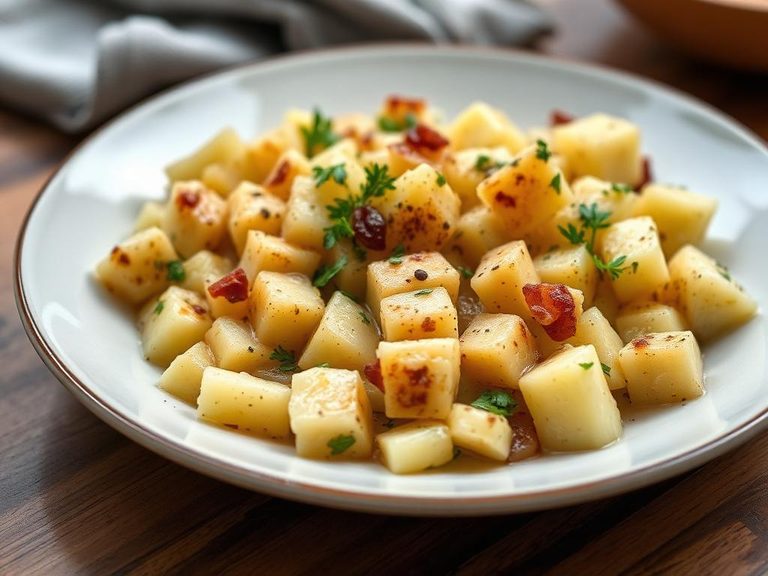
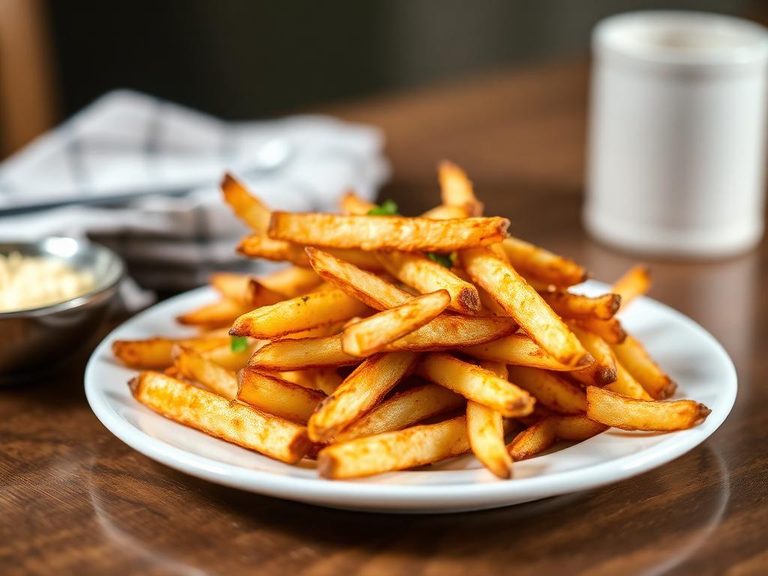
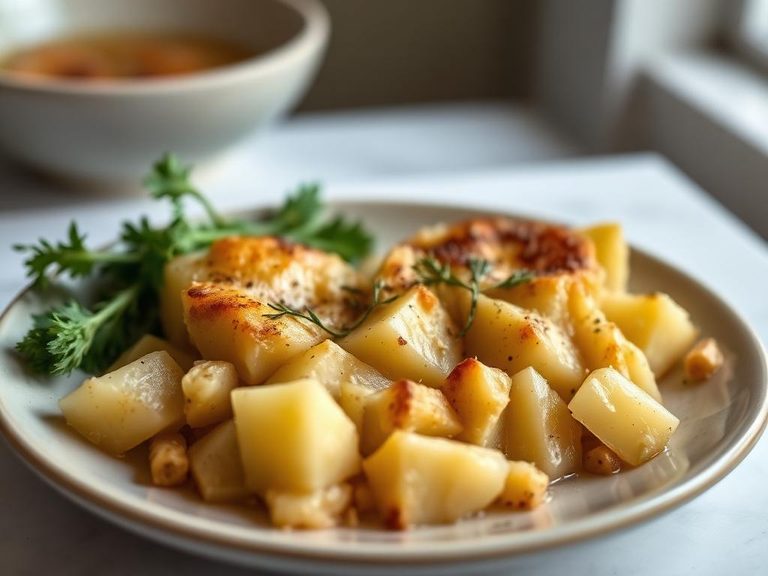
🌍 Where it's eaten
💡 Did you know?
The rutabaga is believed to have originated as a hybrid between the turnip and the cabbage in 17th-century Scandinavia, and it was famously used as a staple food during times of scarcity, such as World War II, when it was promoted as a 'Victory Garden' crop in the UK and US.
Full nutrition (USDA data · scales with serving)
| Water | 88.6 g |
| Nitrogen | 0.14 g |
| Protein | 0.89 g |
| Ash | 0.63 g |
| Fiber, total dietary | 2.9 g |
| Sugars, Total | 6.0 g |
| Sucrose | 0.39 g |
| Glucose | 3.3 g |
| Fructose | 2.3 g |
| Lactose | 0.03 g |
| Maltose | 0.03 g |
| Calcium, Ca | 42.0 mg |
| Iron, Fe | 0.14 mg |
| Magnesium, Mg | 15.4 mg |
| Phosphorus, P | 38.9 mg |
| Potassium, K | 267 mg |
| Sodium, Na | 4.6 mg |
| Zinc, Zn | 0.21 mg |
| Copper, Cu | 0.02 mg |
| Manganese, Mn | 0.08 mg |
| Vitamin B-6 | 0.20 mg |
| Biotin | 1.6 ug |
FAQ
How do I store rutabaga?
Store whole, unpeeled rutabaga in a cool, dark, and humid place like a root cellar or the crisper drawer of your refrigerator, where it can last for several weeks to months. Once cut, wrap the unused portion tightly in plastic or place in an airtight container and refrigerate for up to a week.
Is rutabaga the same as a turnip?
No, though they are related. Rutabaga is a hybrid of turnip and cabbage, typically larger, with a sweeter, milder flavor and a yellowish flesh, while turnips are smaller, more peppery, and have white flesh.
Can I eat rutabaga raw?
Yes, you can eat rutabaga raw, especially when young and tender. It has a crisp, slightly peppery taste and can be shredded into salads or slaws. However, it is more commonly cooked to soften its dense texture and bring out its natural sweetness.
How do I prepare rutabaga for cooking?
To prepare rutabaga, first wash it thoroughly. Use a vegetable peeler to remove the tough outer skin, which can be waxy. Then, cut it into cubes, slices, or wedges depending on your recipe. For roasting or boiling, aim for uniform pieces to ensure even cooking.
Dietary load (calculated from USDA values)
Potential renal acid load. Positive = acid-forming, negative = alkaline-forming.
Sodium-to-potassium ratio: 0.02 (lower is better — aim for ≤ 1)
Sodium:potassium per WHO potassium guidance. Computed from USDA nutrients.