

Arugula, baby, raw
Whole food · Vegetables and Vegetable Products
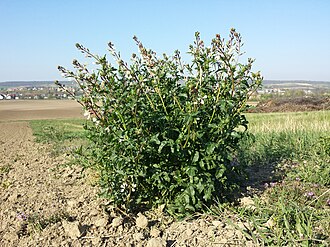
Photo: Wikipedia
Baby arugula is a young, tender leafy green with a distinctive peppery, slightly nutty bite that adds a vibrant, sophisticated flavor to any dish. Its delicate, ruffled leaves offer a tender texture, making it a favorite for fresh salads and garnishes. Nutritionally, it's a powerhouse for its size, providing a notable amount of protein and fiber for just 31 calories per 100g.
Calorie split: 21% protein · 69% carbs · 9% fat
↓ Full nutrition💚 Why it's loved
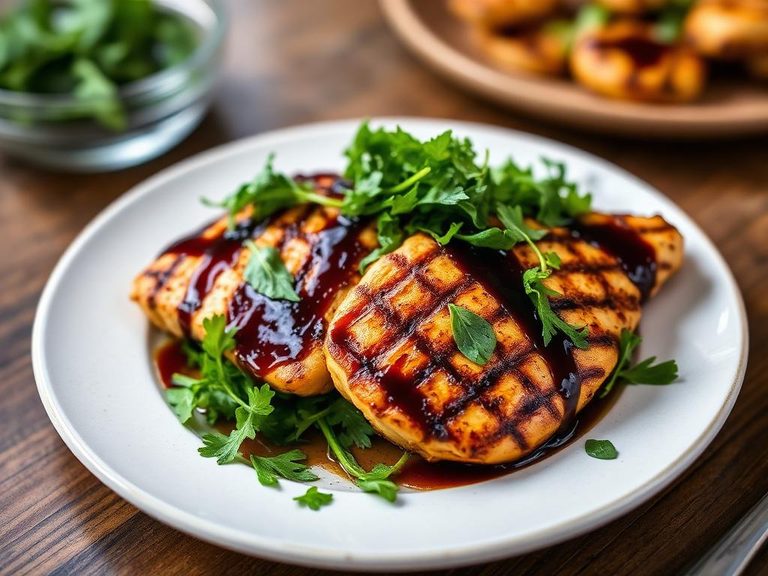
People adore baby arugula for its bold, peppery flavor that elevates simple dishes without heavy dressing. Its versatility shines from salads to pizza toppings, and its cultural roots in Mediterranean cuisine make it a staple for adding a fresh, sophisticated touch.
⚠️ Watch-outs & how to enjoy it better
The strong, bitter-peppery taste can be overwhelming for some palates, especially children or those new to bitter greens. To counteract this, pair it with sweet or fatty elements like balsamic glaze, roasted nuts, or a creamy cheese to balance the flavor. Additionally, arugula contains oxalates, which can be a concern for those with kidney issues; pairing with calcium-rich foods or lightly cooking it can help mitigate this.
Key benefits
- Excellent source of vitamin K for bone health
- Rich in antioxidants like beta-carotene and lutein
- High in fiber relative to its calorie count
- Provides a good amount of plant-based protein
- Contains glucosinolates, compounds studied for health benefits
🍽️ Popular dishes
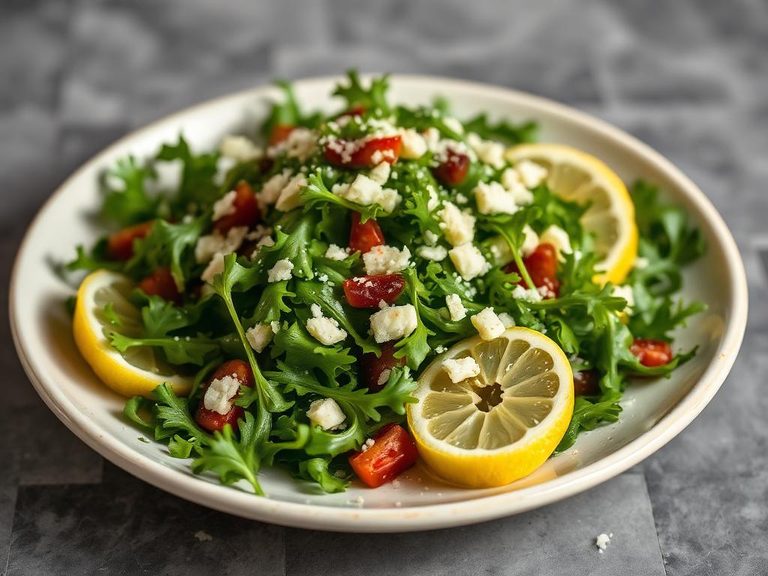

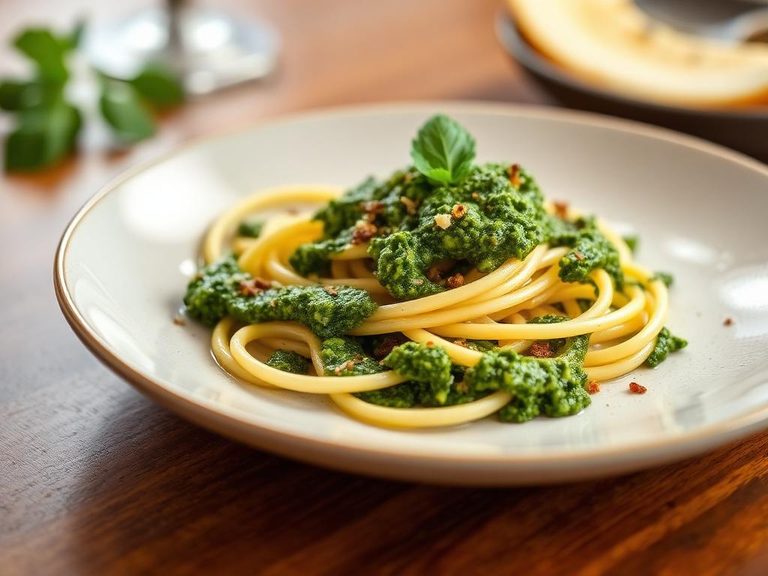
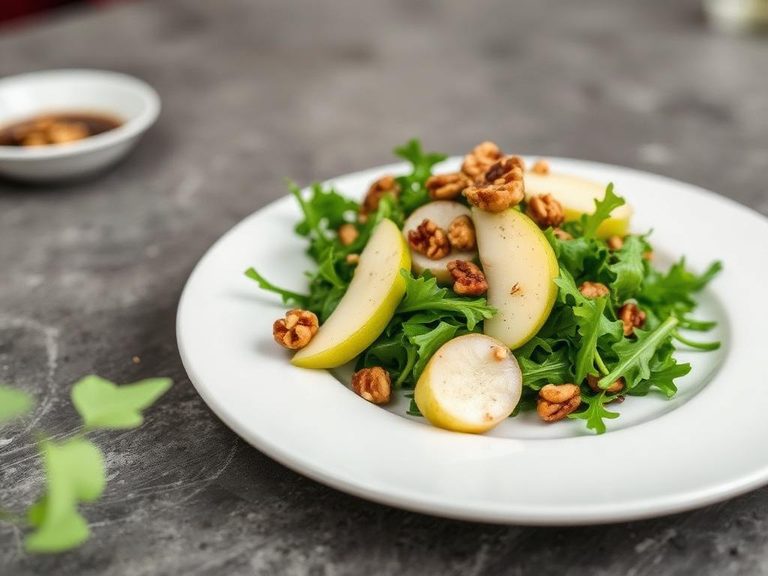
🌍 Where it's eaten
💡 Did you know?
Baby arugula is typically harvested just 21-35 days after planting, making it one of the fastest-growing leafy greens you can cultivate at home.
Full nutrition (USDA data · scales with serving)
| Water | 90.9 g |
| Energy (Atwater General Factors) | 31.0 kcal |
| Energy (Atwater Specific Factors) | 25.9 kcal |
| Nitrogen | 0.26 g |
| Protein | 1.6 g |
| Total lipid (fat) | 0.33 g |
| Ash | 1.7 g |
| Carbohydrate, by difference | 5.4 g |
| Fiber, total dietary | 2.3 g |
| Calcium, Ca | 204 mg |
| Iron, Fe | 1.4 mg |
| Magnesium, Mg | 42.6 mg |
| Phosphorus, P | 51.2 mg |
| Potassium, K | 407 mg |
| Sodium, Na | 86.9 mg |
| Zinc, Zn | 0.35 mg |
| Copper, Cu | 0.08 mg |
| Manganese, Mn | 0.51 mg |
| Vitamin C, total ascorbic acid | 101 mg |
| Folate, total | 149 ug |
FAQ
Is baby arugula the same as regular arugula?
Baby arugula is harvested earlier, making it smaller, more tender, and milder in flavor than mature arugula, which is larger and more intensely peppery.
How should I store baby arugula to keep it fresh?
Store it unwashed in a plastic bag or container lined with a paper towel in the refrigerator's crisper drawer. It will last 3-5 days if kept dry and cold.
Can I cook baby arugula, or is it only for salads?
While best raw, baby arugula can be lightly wilted in soups, stir-fries, or as a topping for hot dishes like pizza or pasta. Cooking will mellow its peppery bite.
Nutrient density (calculated · NRF9.3)
Nutrient Rich Foods index: beneficial nutrients (protein, fiber, vitamins, minerals) minus saturated fat, added sugar & sodium, per 100 kcal.
NRF9.3 index — Fulgoni, Keast & Drewnowski, 2009. Computed from USDA nutrients.
Weight-loss friendliness (composite index)
Energy density 0.31 kcal/g · 21% calories from protein · 2.3 g fiber · 0.0 g sugar per 100 g.
Composite of energy density (Rolls et al., 1999), protein & fiber satiety, minus sugar. A calculated heuristic — ranks satiety-per-calorie, not a clinical measure.
Dietary load (calculated from USDA values)
Potential renal acid load. Positive = acid-forming, negative = alkaline-forming.
Sodium-to-potassium ratio: 0.21 (lower is better — aim for ≤ 1)
Sodium:potassium per WHO potassium guidance. Computed from USDA nutrients.