Sugars, granulated
Whole food · Sweets

Photo: Wikipedia
Granulated sugar is the quintessential crystalline sweetener, derived primarily from sugarcane or sugar beet, offering a clean, neutral sweetness with a distinctively gritty texture that dissolves readily in liquids. Nutritionally, it is almost pure carbohydrate, delivering a dense 385 kcal per 100g with no protein, fat, or fiber, making it a source of rapid energy. Its crystalline structure and high solubility make it a foundational ingredient in baking, confectionery, and beverage preparation worldwide.
💚 Why it's loved
People love granulated sugar for its pure, uncomplicated sweetness that elevates flavors without adding competing tastes, and its remarkable versatility in everything from delicate meringues to robust barbecue sauces. Its cultural significance is profound, symbolizing celebration, comfort, and indulgence across virtually every global cuisine.
⚠️ Watch-outs & how to enjoy it better
Excessive consumption is linked to rapid blood-sugar spikes, empty calories, and increased risk of metabolic issues, making it a concern for those managing diabetes or seeking weight control. To mitigate these effects, pair sugar with protein, fat, or fiber to slow absorption, practice strict portion control, and prioritize whole-food sources of sweetness like fruits.
Key benefits
- Provides rapid, easily digestible energy for physical and mental activity
- Acts as a natural preservative by binding water in jams and jellies
- Enhances fermentation in bread and alcoholic beverages
- Adds texture and structure in baked goods through caramelization and aeration
- Serves as a versatile flavor enhancer in savory and sweet dishes
🍽️ Popular dishes
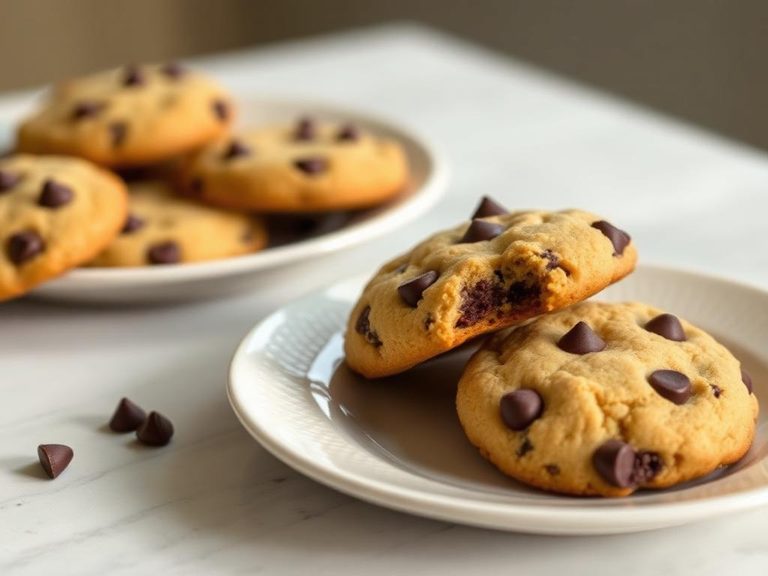
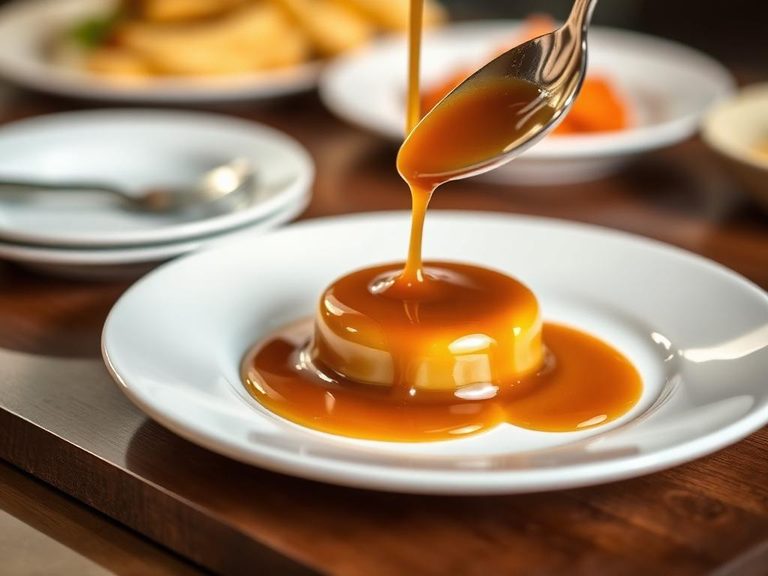
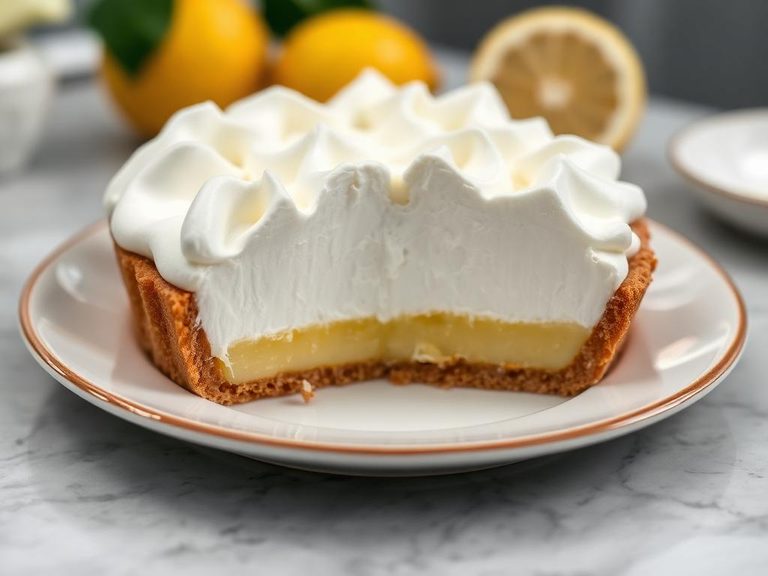

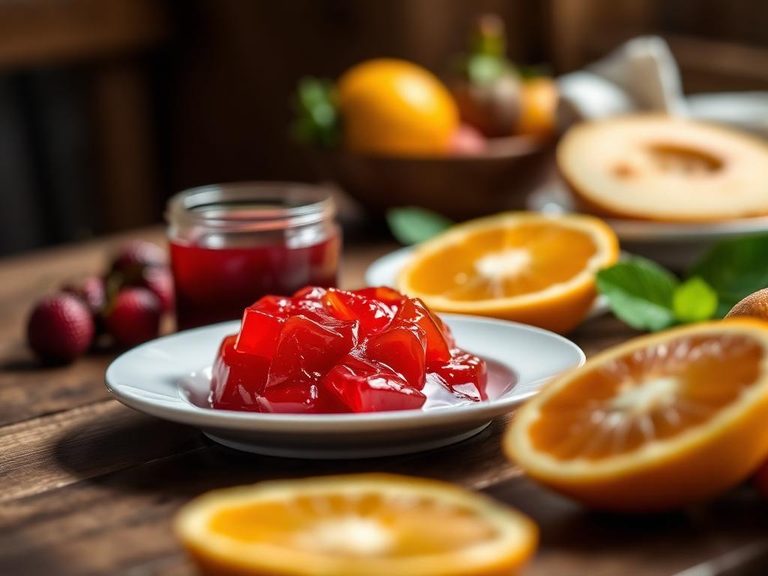

🌍 Where it's eaten
💡 Did you know?
The term 'sugar' originates from the Sanskrit word 'sharkara,' meaning 'gravel' or 'sand,' reflecting its granular texture.
Full nutrition (scales with serving)
| Water | 0.02 g |
| Energy | 385 kcal |
| Energy | 1610 kj |
| Nitrogen | 0.00 g |
| Protein | 0.00 g |
| Total lipid (fat) | 0.32 g |
| Ash | 0.07 g |
| Carbohydrate, by difference | 99.6 g |
| Sugars, Total | 99.8 g |
| Sucrose | 99.8 g |
| Glucose | 0.00 g |
| Fructose | 0.00 g |
| Lactose | 0.00 g |
| Maltose | 0.00 g |
| Galactose | 0.03 g |
| Calcium, Ca | 1.0 mg |
| Iron, Fe | 0.05 mg |
| Magnesium, Mg | 0.30 mg |
| Phosphorus, P | 0.00 mg |
| Potassium, K | 2.0 mg |
| Sodium, Na | 1.0 mg |
| Zinc, Zn | 0.01 mg |
| Copper, Cu | 0.01 mg |
| Manganese, Mn | 0.00 mg |
FAQ
What is the difference between granulated sugar and powdered sugar?
Granulated sugar has a coarse, crystalline texture, while powdered sugar (also called confectioners' sugar) is ground into a fine powder and often contains cornstarch to prevent clumping.
Can granulated sugar be substituted with other sweeteners?
Yes, but substitutions vary. Honey, maple syrup, and agave nectar are liquid and may alter texture. Artificial sweeteners like stevia or sucralose are much sweeter and don't provide the same bulk or browning properties.
How should granulated sugar be stored?
Store in a cool, dry place in an airtight container to prevent moisture absorption and clumping. It does not spoil but can harden if exposed to humidity.