Radicchio, raw
Whole food · Vegetables and Vegetable Products

Photo: Wikipedia
Radicchio is a vibrant, crimson-hued Italian chicory with striking white veins, known for its crisp, leafy texture and a bold, pleasantly bitter flavor that mellows when grilled or roasted. Nutritionally, it's a low-calorie powerhouse, providing a good source of fiber (2.1g per 100g) and essential vitamins like vitamin K, while contributing minimal fat and no sugar. Its distinctive taste profile makes it a standout ingredient that adds both color and complexity to a wide range of dishes.
💚 Why it's loved
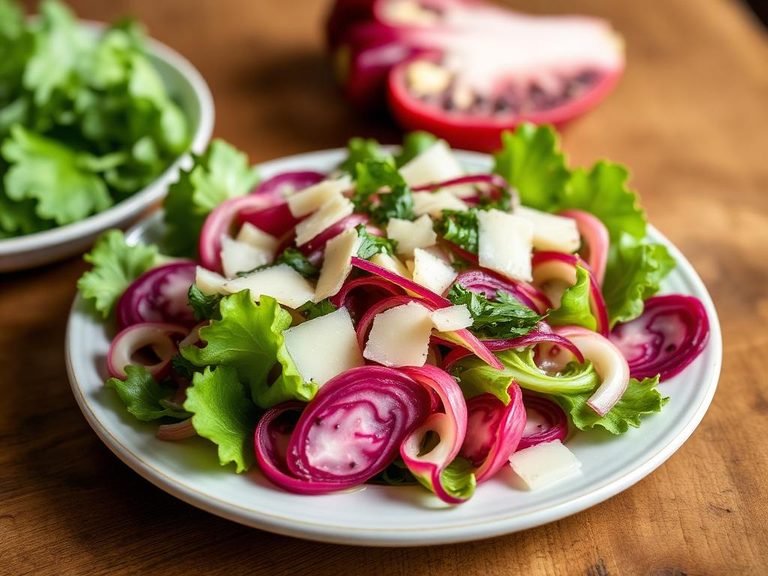
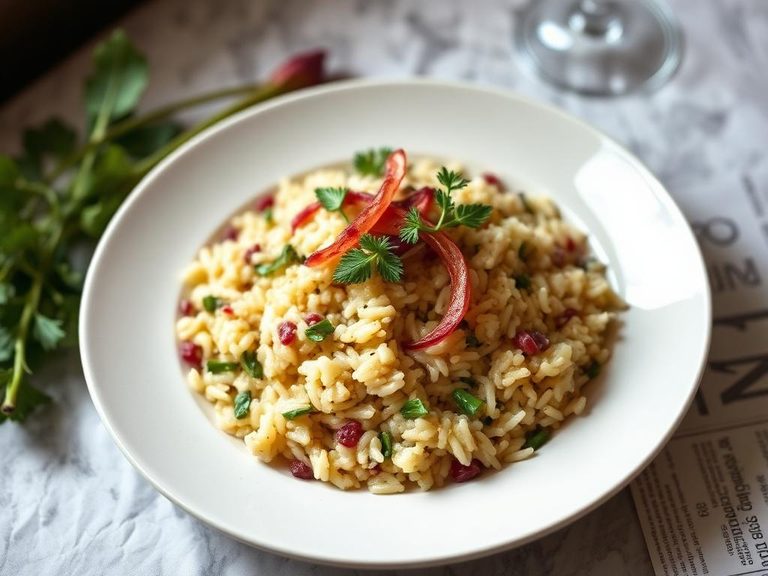
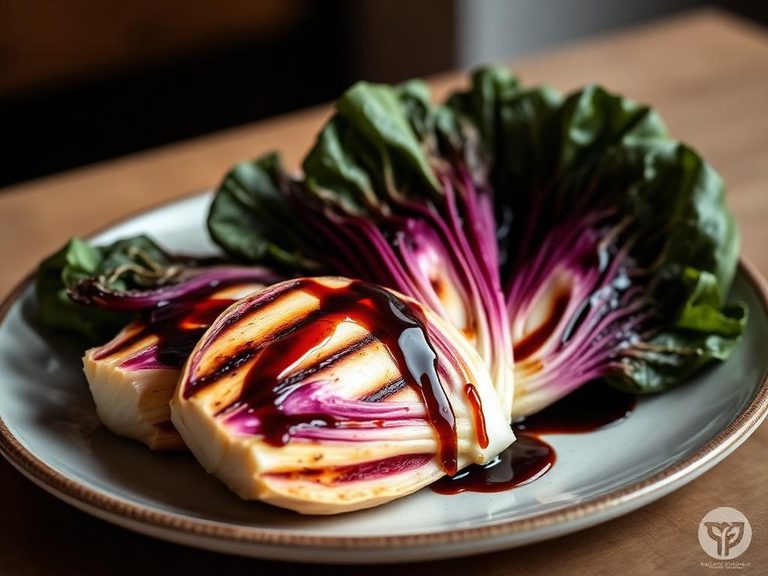
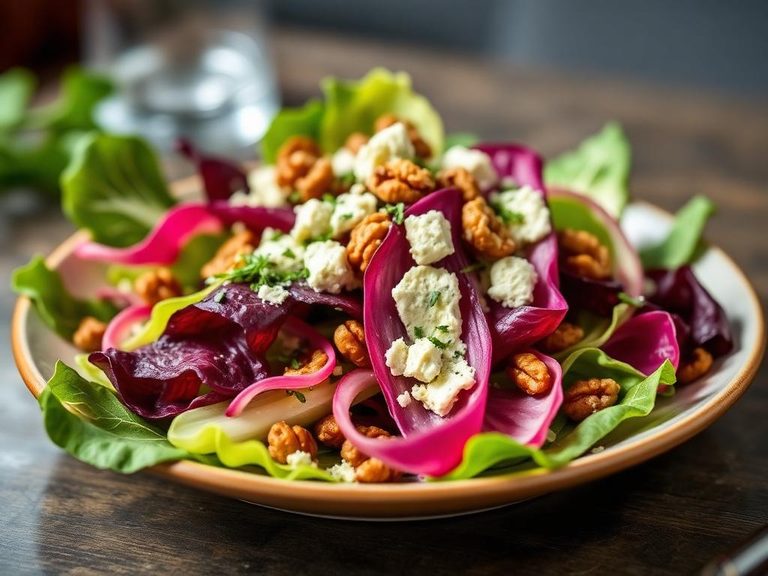
People love radicchio for its unique, sophisticated bitterness that cuts through rich, fatty foods, adding a refreshing counterpoint. Its versatility is also prized, as it can be used raw in salads, grilled to bring out sweetness, or braised to mellow its flavor.
⚠️ Watch-outs & how to enjoy it better
The intense bitterness of raw radicchio can be off-putting to some palates, and it contains inulin, a type of FODMAP that may cause digestive discomfort (bloating, gas) in sensitive individuals, particularly those with IBS. To counteract bitterness, try grilling or roasting the leaves, which caramelizes the sugars and mellows the flavor; for digestive issues, start with small portions or opt for cooked radicchio, which is easier to digest.
Key benefits
- Rich in vitamin K, essential for bone health and blood clotting.
- High in antioxidants like anthocyanins, which give it its red color.
- Good source of dietary fiber, supporting digestive health.
- Very low in calories and fat, making it ideal for weight management.
- Contains inulin, a prebiotic fiber that may support gut bacteria.
🍽️ Popular dishes
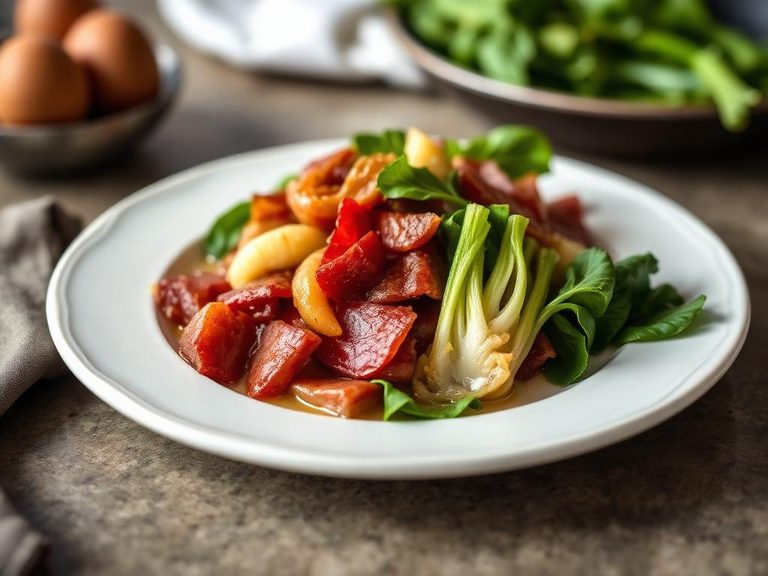
🌍 Where it's eaten
💡 Did you know?
Radicchio is a member of the chicory family, and its name comes from the Italian word 'radice,' meaning root, though it's the leaves we eat; interestingly, the roots of chicory are often roasted and used as a coffee substitute.
Full nutrition (scales with serving)
| Water | 92.8 g |
| Energy (Atwater General Factors) | 26.4 kcal |
| Nitrogen | 0.21 g |
| Protein | 1.3 g |
| Total lipid (fat) | 0.14 g |
| Ash | 0.77 g |
| Carbohydrate, by difference | 5.0 g |
| Fiber, total dietary | 2.1 g |
| Sugars, Total | 2.2 g |
| Sucrose | 0.11 g |
| Glucose | 1.0 g |
| Fructose | 1.1 g |
| Lactose | 0.00 g |
| Maltose | 0.00 g |
| Calcium, Ca | 30.9 mg |
| Iron, Fe | 0.40 mg |
| Magnesium, Mg | 12.9 mg |
| Phosphorus, P | 35.5 mg |
| Potassium, K | 335 mg |
| Sodium, Na | 8.1 mg |
| Zinc, Zn | 0.20 mg |
| Copper, Cu | 0.06 mg |
| Manganese, Mn | 0.30 mg |
| Vitamin C, total ascorbic acid | 6.2 mg |
| Biotin | 2.0 ug |
| Folate, total | 117 ug |
FAQ
Is radicchio the same as red cabbage?
No, radicchio is a type of chicory with a distinct bitter flavor and white veins, while red cabbage is a cruciferous vegetable with a milder, sweeter taste and a more uniform purple color.
Can I eat radicchio raw?
Yes, radicchio is commonly eaten raw in salads, but its bitterness can be strong; if you find it too bitter, try grilling or roasting it first to bring out its natural sweetness.
How do I store radicchio?
Wrap the head in a damp paper towel and place it in a plastic bag in the refrigerator's crisper drawer; it should keep for up to a week, though it's best used fresh for optimal flavor.