

Martha White Foods, Martha White's Buttermilk Biscuit Mix, dry
Whole food · Baked Products

Photo: Wikipedia
Martha White's Buttermilk Biscuit Mix is a classic Southern pantry staple, a dry blend of flour, leavening, and powdered buttermilk that transforms into tender, flaky, golden biscuits with a rich, tangy aroma. Each 100g serving packs a hearty 388 calories, primarily from 59.41g of carbohydrates, providing quick energy for a comforting breakfast or side dish.
Calorie split: 8% protein · 61% carbs · 31% fat
↓ Full nutrition💚 Why it's loved
People love this mix for its ability to deliver authentic, buttery, tangy Southern-style biscuits with minimal effort, evoking a sense of home-cooked comfort and tradition. It's a versatile canvas for both sweet and savory creations, from classic gravy-topped biscuits to creative desserts.
⚠️ Watch-outs & how to enjoy it better
The mix is high in refined carbohydrates and relatively low in fiber, which can lead to blood-sugar spikes if consumed alone, and it typically contains significant sodium. To counteract this, pair biscuits with protein and healthy fats like eggs, sausage, or avocado, and consider adding chia seeds or serving with a fiber-rich side.
Key benefits
- Quick preparation for homemade biscuits
- Consistent results for tender texture
- Source of energy from complex carbohydrates
- Provides a base for versatile recipes
- Traditional comfort food staple
🍽️ Popular dishes

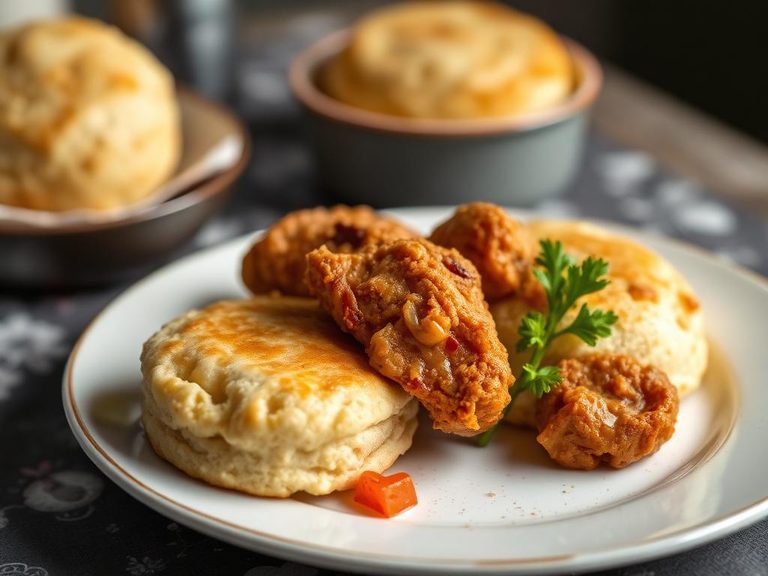
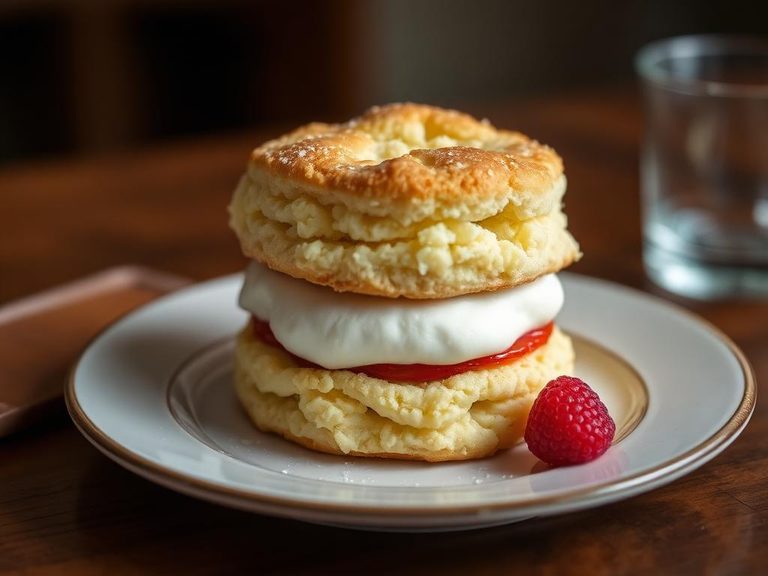
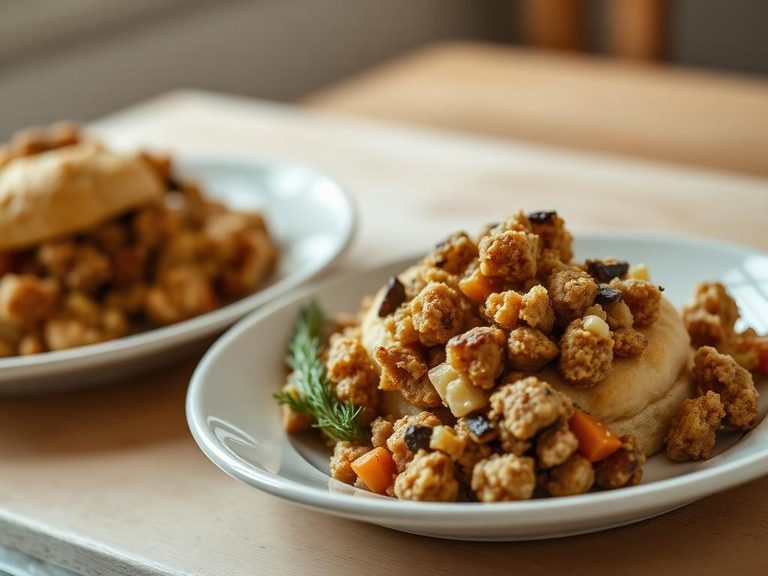
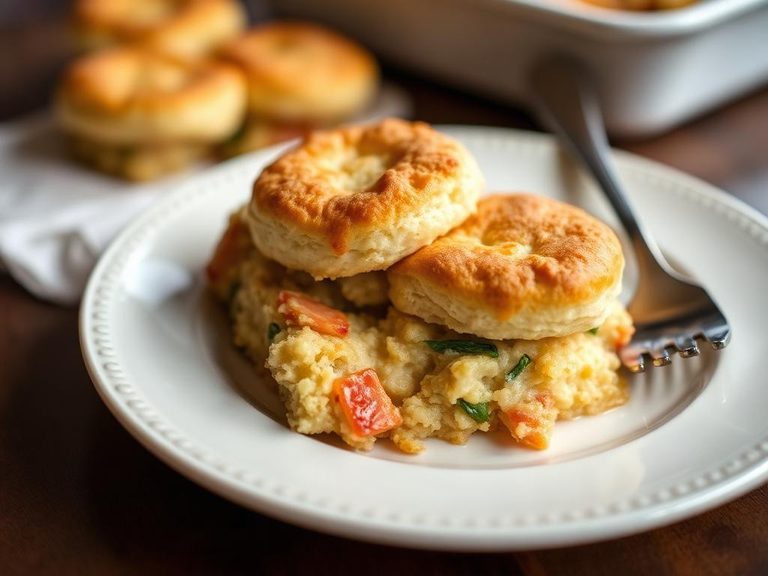
🌍 Where it's eaten
💡 Did you know?
The mix's signature tang comes from buttermilk powder, which was originally a byproduct of butter-making and valued for its ability to tenderize dough through its lactic acid.
Full nutrition (USDA data · scales with serving)
| Water | 10.0 g |
| Energy | 388 kcal |
| Energy | 1623 kj |
| Protein | 7.8 g |
| Total lipid (fat) | 13.2 g |
| Ash | 9.6 g |
| Carbohydrate, by difference | 59.4 g |
| Fiber, total dietary | 1.5 g |
| Total Sugars | 4.5 g |
| Calcium, Ca | 168 mg |
| Iron, Fe | 4.1 mg |
| Potassium, K | 212 mg |
| Sodium, Na | 1295 mg |
| Zinc, Zn | 0.90 mg |
| Vitamin C, total ascorbic acid | 0.20 mg |
| Thiamin | 0.49 mg |
| Riboflavin | 0.38 mg |
| Niacin | 3.9 mg |
| Vitamin B-6 | 0.02 mg |
| Vitamin B-12 | 0.16 ug |
| Vitamin A, RAE | 0.00 ug |
| Vitamin A, IU | 7.0 iu |
Fat & fatty acid profile (per 100g)
| Fatty acids, total saturated | 4.1 g |
| Fatty acids, total trans | 3.8 g |
| Cholesterol | 3.0 mg |
FAQ
What makes buttermilk biscuit mix different from regular flour?
It's a pre-blended mix containing flour, leavening agents (like baking powder and soda), salt, and powdered buttermilk, designed to create a specific tender, flaky texture and tangy flavor with just the addition of a liquid like milk or water.
Can I use this mix for recipes other than biscuits?
Yes, it's highly versatile. It can be used as a base for dumplings, shortcake, savory scones, or even as a topping for pot pies and casseroles.
How do I store the prepared biscuit dough?
For best results, bake biscuits immediately after mixing. If you must store dough, cover it tightly and refrigerate for up to 24 hours, though the leavening may lose some potency.
Nutrient density (calculated · NRF9.3)
Nutrient Rich Foods index: beneficial nutrients (protein, fiber, vitamins, minerals) minus saturated fat, added sugar & sodium, per 100 kcal.
NRF9.3 index — Fulgoni, Keast & Drewnowski, 2009. Computed from USDA nutrients.
Weight-loss friendliness (composite index)
Energy density 3.88 kcal/g · 8% calories from protein · 1.5 g fiber · 4.5 g sugar per 100 g.
Composite of energy density (Rolls et al., 1999), protein & fiber satiety, minus sugar. A calculated heuristic — ranks satiety-per-calorie, not a clinical measure.
Dietary load (calculated from USDA values)
Sodium-to-potassium ratio: 6.11 (lower is better — aim for ≤ 1)
Sodium:potassium per WHO potassium guidance. Computed from USDA nutrients.