

KRAFT VELVEETA LIGHT Reduced Fat Pasteurized Process Cheese Product
Whole food · Dairy and Egg Products

Photo: Wikipedia
Kraft Velveeta Light is a reduced-fat version of the iconic, ultra-smooth pasteurized process cheese product, famous for its creamy, melt-in-your-mouth texture. It delivers a rich, savory, and salty cheese flavor without the graininess of traditional cheese, making it a staple for quick, velvety sauces. Nutritionally, it offers a solid protein punch (19.6g per 100g) while cutting fat compared to the original, though it remains a processed food with added sugars.
Calorie split: 35% protein · 21% carbs · 43% fat
↓ Full nutrition💚 Why it's loved
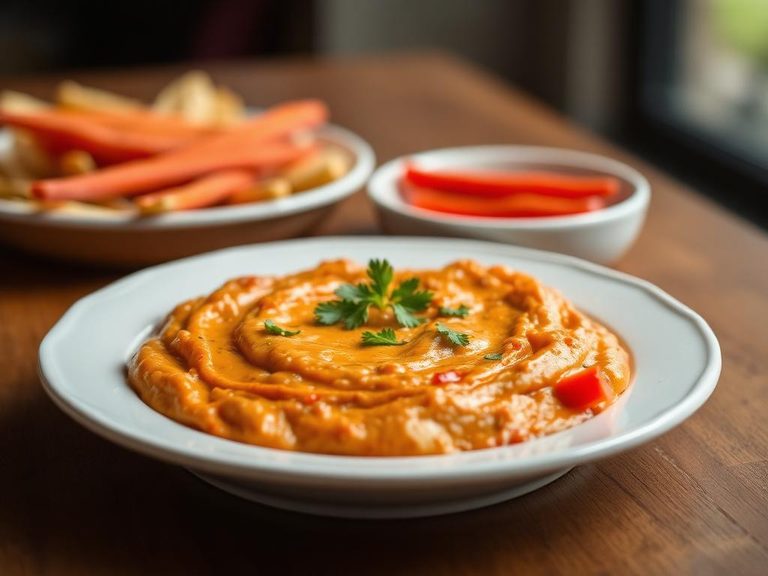
People adore it for its unparalleled melting ability, which creates the perfect, lump-free queso dip or creamy casserole topping. Its nostalgic, salty flavor is a cornerstone of American comfort food culture, making it a go-to for family gatherings and game-day snacks.
⚠️ Watch-outs & how to enjoy it better
As a processed cheese product, it can be high in sodium and contains added sugars, which may concern those monitoring blood pressure or blood sugar. To counteract this, pair it with fiber-rich vegetables (like broccoli or peppers) and lean protein, and practice strict portion control to manage intake.
Key benefits
- Excellent source of protein for a processed cheese product
- Melts smoothly without separating or becoming oily
- Lower in fat than the original Velveeta formula
- Convenient shelf-stable format for quick meal prep
- Provides calcium and phosphorus for bone health
🍽️ Popular dishes
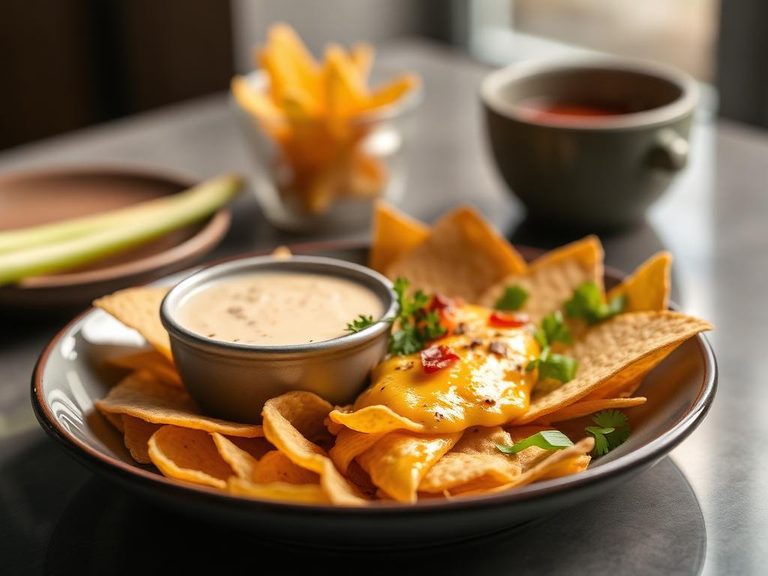
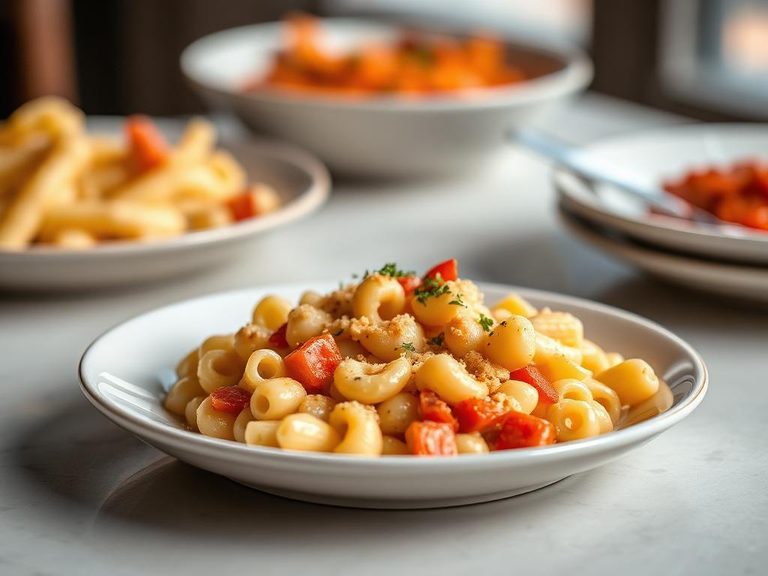
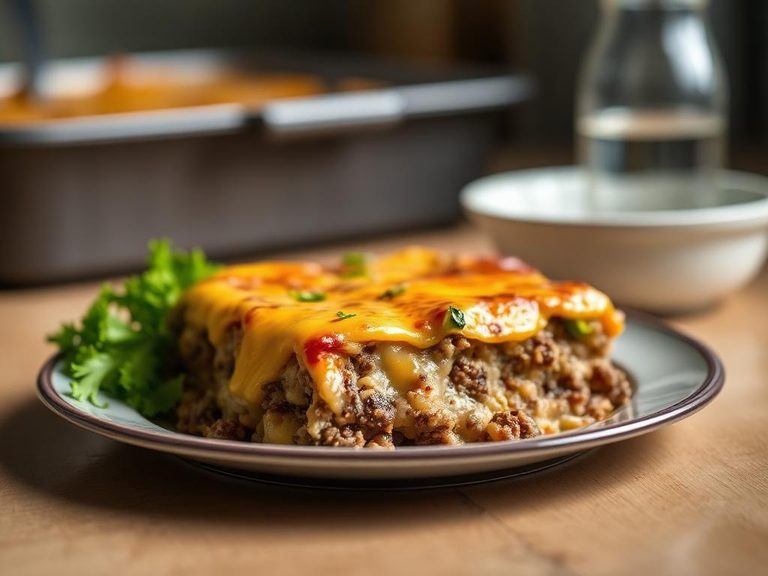
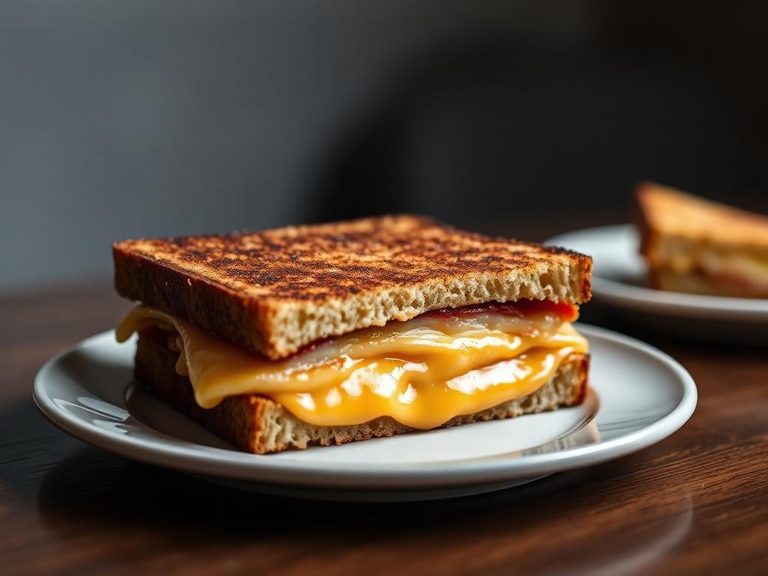
🌍 Where it's eaten
💡 Did you know?
Velveeta was originally introduced in 1928 as a way to use up surplus cheese, and its name was trademarked in 1937 for its 'velvety' texture.
Full nutrition (USDA data · scales with serving)
| Water | 51.3 g |
| Energy | 222 kcal |
| Energy | 929 kj |
| Protein | 19.6 g |
| Total lipid (fat) | 10.6 g |
| Ash | 6.6 g |
| Carbohydrate, by difference | 11.8 g |
| Fiber, total dietary | 0.00 g |
| Total Sugars | 8.5 g |
| Calcium, Ca | 574 mg |
| Iron, Fe | 0.14 mg |
| Phosphorus, P | 1024 mg |
| Potassium, K | 345 mg |
| Sodium, Na | 1586 mg |
| Zinc, Zn | 2.5 mg |
| Vitamin C, total ascorbic acid | 0.10 mg |
| Riboflavin | 0.65 mg |
| Vitamin A, IU | 982 iu |
Fat & fatty acid profile (per 100g)
| Fatty acids, total saturated | 7.1 g |
| Cholesterol | 42.0 mg |
FAQ
Is Velveeta Light real cheese?
No, it's a 'pasteurized process cheese product,' which means it's made from cheese but also contains emulsifiers, milk protein concentrate, and other additives to achieve its signature texture and shelf stability.
Can I substitute Velveeta Light for regular cheese in recipes?
Yes, especially in recipes where melting is key, like dips or sauces. It melts more smoothly than many natural cheeses but may have a slightly different flavor profile and texture.
How should I store Velveeta Light?
Once opened, wrap it tightly in plastic wrap or store in an airtight container in the refrigerator for up to 8 weeks. It can also be frozen for longer storage, though texture may change slightly.
Nutrient density (calculated · NRF9.3)
Nutrient Rich Foods index: beneficial nutrients (protein, fiber, vitamins, minerals) minus saturated fat, added sugar & sodium, per 100 kcal.
NRF9.3 index — Fulgoni, Keast & Drewnowski, 2009. Computed from USDA nutrients.
Weight-loss friendliness (composite index)
Energy density 2.22 kcal/g · 35% calories from protein · 0.0 g fiber · 8.5 g sugar per 100 g.
Composite of energy density (Rolls et al., 1999), protein & fiber satiety, minus sugar. A calculated heuristic — ranks satiety-per-calorie, not a clinical measure.
Dietary load (calculated from USDA values)
Potential renal acid load. Positive = acid-forming, negative = alkaline-forming.
Sodium-to-potassium ratio: 4.60 (lower is better — aim for ≤ 1)
Sodium:potassium per WHO potassium guidance. Computed from USDA nutrients.