

George Weston Bakeries, Thomas English Muffins
Whole food · Baked Products

Photo: Wikipedia
Thomas' English Muffins are iconic, split-side bread rounds with a distinctive 'nooks and crannies' interior that act like tiny pockets for butter and jam. They have a lightly sweet, yeasty flavor and a chewy, slightly crisp texture when toasted. Nutritionally, they provide a moderate calorie and carbohydrate base with a respectable amount of protein for a bread product.
Calorie split: 14% protein · 79% carbs · 7% fat
↓ Full nutrition💚 Why it's loved
People adore the unique texture—the nooks and crannies perfectly cradle melted butter, jam, or egg yolk, creating a satisfying bite. Its mild, slightly sweet flavor makes it a versatile canvas for everything from classic Eggs Benedict to simple avocado toast.
⚠️ Watch-outs & how to enjoy it better
With 46g of carbohydrates per 100g and a low fiber content (0g), it can cause a rapid blood-sugar spike, especially when eaten alone. Those monitoring carbohydrate intake or with gluten sensitivities should be cautious. Tip: Pair it with protein (like an egg) and healthy fat (like avocado or nut butter) to slow digestion and stabilize blood sugar.
Key benefits
- Provides a quick source of energy from complex carbohydrates.
- Offers a moderate amount of plant-based protein (8g per 100g).
- Low in fat, making it a lean bread option.
- Versatile base for both sweet and savory meals.
- A classic, convenient breakfast staple.
🍽️ Popular dishes
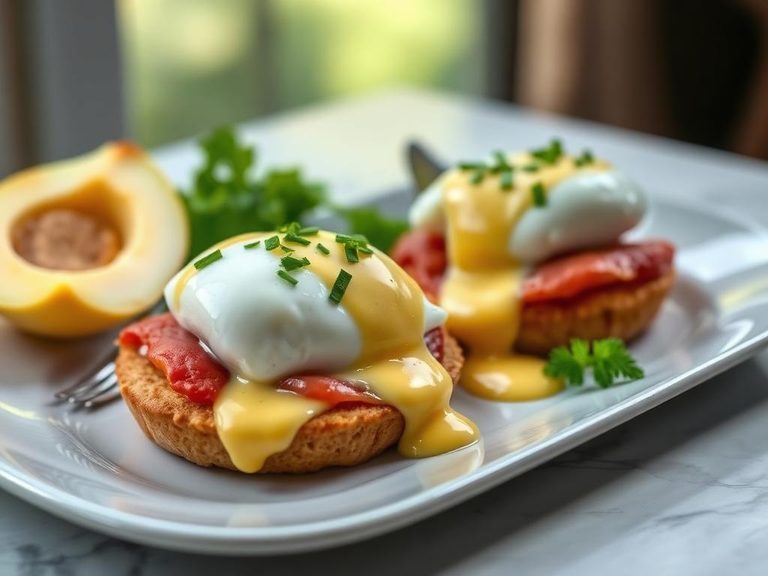
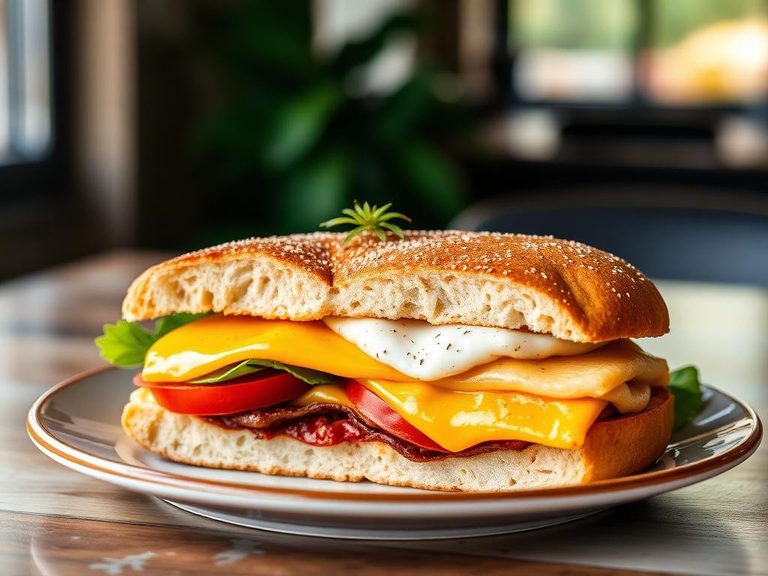
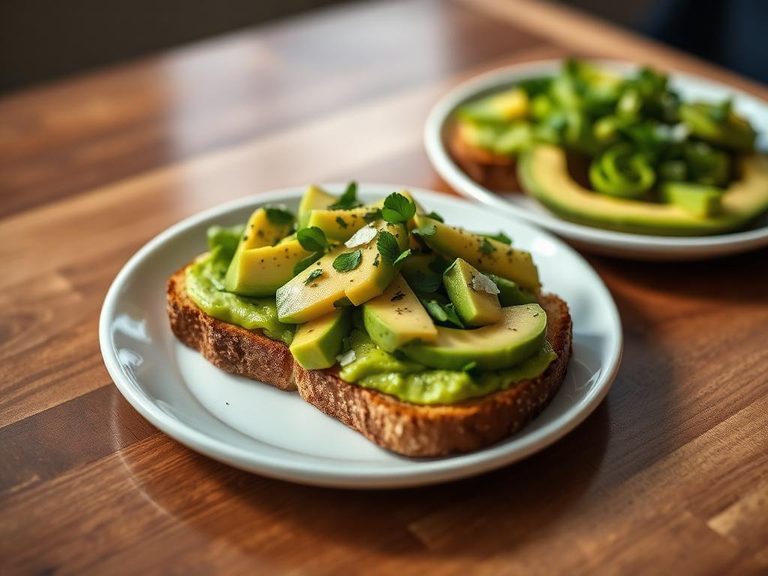
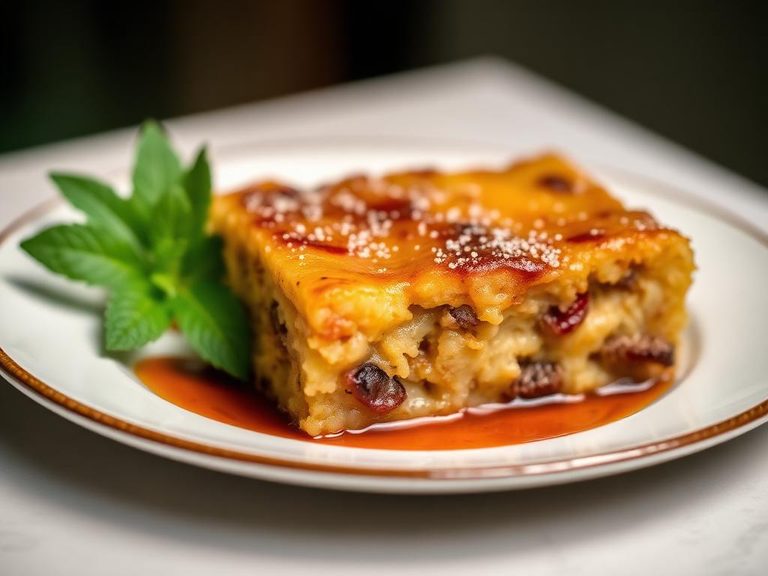
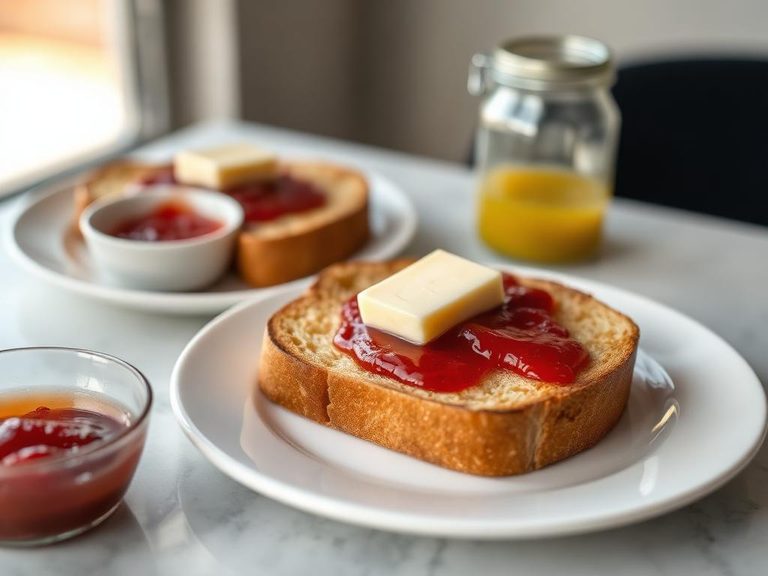
🌍 Where it's eaten
💡 Did you know?
The signature 'nooks and crannies' are created by a specific baking process using cornmeal on the griddle, which prevents sticking and creates the textured surface.
Full nutrition (USDA data · scales with serving)
| Water | 42.6 g |
| Energy | 232 kcal |
| Energy | 972 kj |
| Protein | 8.0 g |
| Total lipid (fat) | 1.8 g |
| Ash | 1.6 g |
| Carbohydrate, by difference | 46.0 g |
| Calcium, Ca | 180 mg |
| Iron, Fe | 1.4 mg |
| Sodium, Na | 345 mg |
| Folate, total | 40.0 ug |
| Vitamin A, RAE | 0.00 ug |
| Retinol | 0.00 ug |
| Vitamin A, IU | 0.00 iu |
Fat & fatty acid profile (per 100g)
| Fatty acids, total saturated | 0.31 g |
| SFA 16:0 | 0.31 g |
| Fatty acids, total monounsaturated | 0.30 g |
| MUFA 18:1 | 0.30 g |
| Fatty acids, total polyunsaturated | 0.92 g |
| PUFA 18:2 | 0.84 g |
| PUFA 18:3 | 0.08 g |
| Fatty acids, total trans | 0.08 g |
FAQ
Why are they called 'English' muffins if they're an American product?
The name is a nod to their inspiration. They were popularized in the U.S. by Samuel Bath Thomas, a British immigrant, who based them on a traditional English crumpet. The name helped distinguish them from sweeter American muffins.
What's the best way to split an English muffin?
Use a fork, not a knife. Gently pierce the muffin's equator all the way around with the fork tines, then pull it apart. This preserves the nooks and crannies, whereas a knife would slice them off, creating a smooth surface.
Are they a good source of fiber?
The classic white version contains 0g of dietary fiber per 100g. For a fiber boost, look for whole-wheat or multigrain varieties, which typically contain 2-4g of fiber per serving.
Weight-loss friendliness (composite index)
Energy density 2.32 kcal/g · 14% calories from protein · 0.0 g fiber · 0.0 g sugar per 100 g.
Composite of energy density (Rolls et al., 1999), protein & fiber satiety, minus sugar. A calculated heuristic — ranks satiety-per-calorie, not a clinical measure.