

Margarine-like spread, SMART BEAT Super Light without saturated fat
Whole food · Fats and Oils

Photo: Wikipedia
Smart Beat Super Light is a whipped, plant-based spread designed to mimic butter with a smooth, creamy texture that melts easily on warm foods. It delivers a rich, savory flavor with a hint of tang, while its nutrition profile is defined by being virtually fat-free compared to traditional margarine or butter. With only 17.1g of fat per 100g and zero protein or carbohydrates, it is a calorie-conscious alternative for those monitoring fat intake.
Calorie split: 0% protein · 0% carbs · 100% fat
↓ Full nutrition💚 Why it's loved
People love it for its uncanny ability to provide the mouthfeel of butter on toast or vegetables without the heavy caloric load. It is a versatile kitchen staple that allows for guilt-free indulgence in baked goods, sautéing, and spreading.
⚠️ Watch-outs & how to enjoy it better
As a highly processed food, it may contain additives or emulsifiers that some prefer to avoid, and it lacks the complex flavor of real butter. To counteract the potential for a 'chemical' aftertaste, use it in cooked dishes where heat can mellow the flavor, or mix it with fresh herbs to mask any artificial notes.
Key benefits
- Significantly lower in calories than butter
- Contains zero cholesterol
- Provides a creamy texture without dairy
- Helps reduce total saturated fat intake
- Suitable for vegan and lactose-free diets
🍽️ Popular dishes
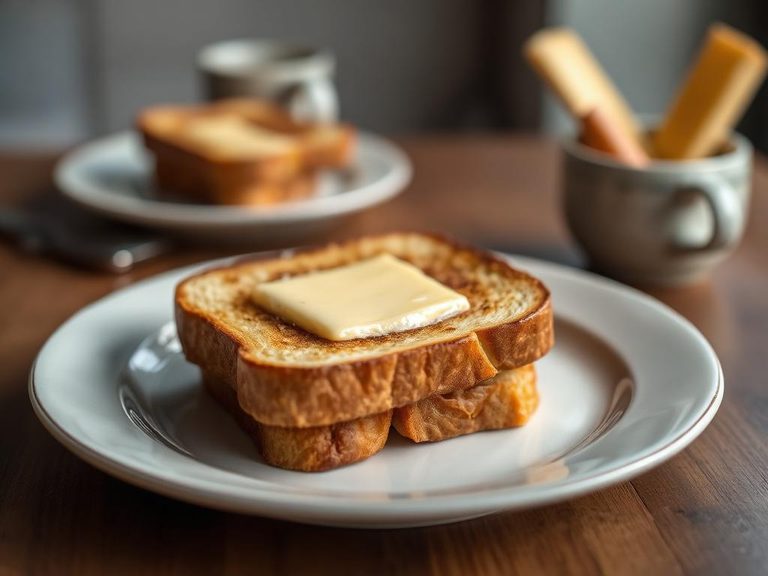
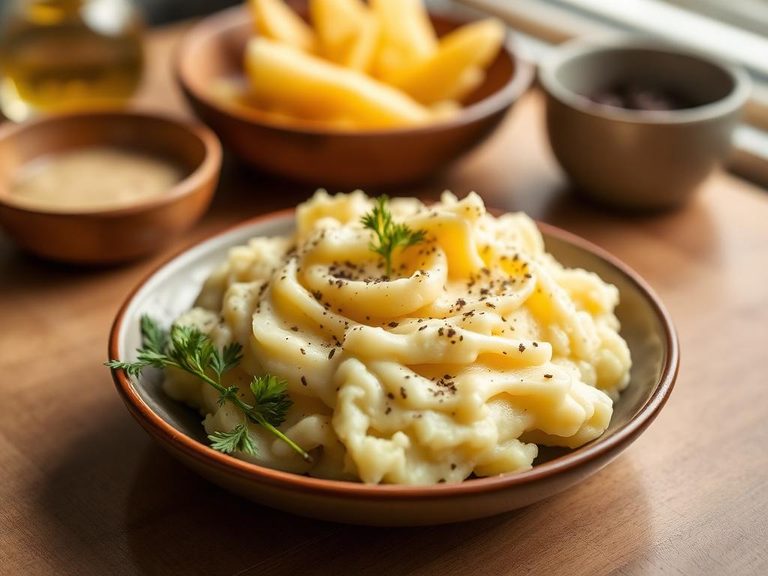
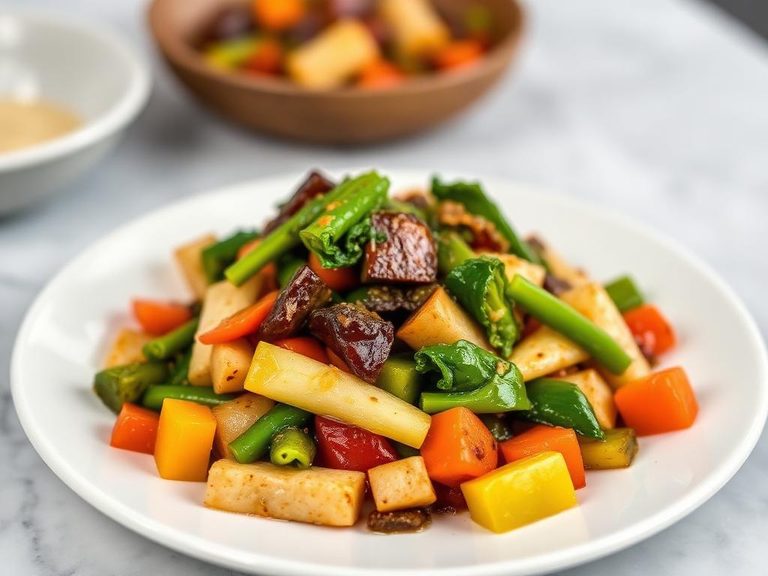
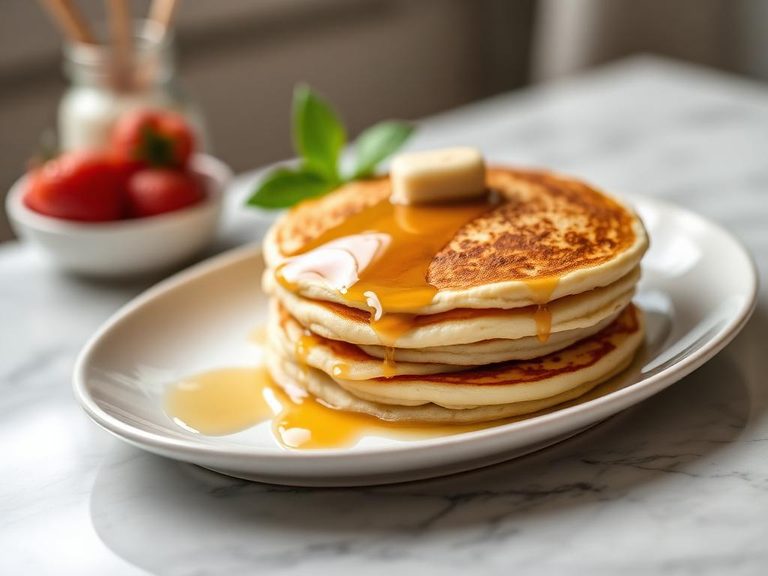
🌍 Where it's eaten
💡 Did you know?
This specific 'Super Light' formulation achieves its low fat content by incorporating a high volume of air and water into the emulsion, a process known as 'overrun' in food science.
Full nutrition (USDA data · scales with serving)
| Water | 80.8 g |
| Energy | 158 kcal |
| Energy | 661 kj |
| Protein | 0.00 g |
| Total lipid (fat) | 17.1 g |
| Ash | 1.9 g |
| Carbohydrate, by difference | 0.00 g |
| Fiber, total dietary | 0.00 g |
| Total Sugars | 0.00 g |
| Phosphorus, P | 0.00 mg |
| Potassium, K | 12.0 mg |
| Sodium, Na | 755 mg |
| Vitamin A, IU | 4489 iu |
| Vitamin E (alpha-tocopherol) | 1.7 mg |
| Vitamin K (phylloquinone) | 12.3 ug |
Fat & fatty acid profile (per 100g)
| Fatty acids, total saturated | 2.2 g |
| Fatty acids, total monounsaturated | 7.6 g |
| Fatty acids, total polyunsaturated | 4.0 g |
| Fatty acids, total trans | 2.5 g |
| Cholesterol | 0.00 mg |
FAQ
Can I use this spread for baking cakes?
While you can use it, be aware that the high water and air content may result in a denser or moister crumb compared to using solid butter or traditional margarine.
Is this product safe for people with nut allergies?
Always check the specific label, as some plant-based spreads are manufactured in facilities that also process tree nuts or peanuts.
Why is the fat content lower than regular margarine?
It is formulated with more water and air (overrun) and often uses specific hydrocolloids to maintain texture while reducing the actual lipid content.
Weight-loss friendliness (composite index)
Energy density 1.58 kcal/g · 0% calories from protein · 0.0 g fiber · 0.0 g sugar per 100 g.
Composite of energy density (Rolls et al., 1999), protein & fiber satiety, minus sugar. A calculated heuristic — ranks satiety-per-calorie, not a clinical measure.
Dietary load (calculated from USDA values)
Potential renal acid load. Positive = acid-forming, negative = alkaline-forming.
Sodium-to-potassium ratio: 62.92 (lower is better — aim for ≤ 1)
Sodium:potassium per WHO potassium guidance. Computed from USDA nutrients.