Grapes, green, seedless, raw
Whole food · Fruits and Fruit Juices

Photo: Wikipedia
These are small, crisp globes of pure, sun-drenched sweetness, bursting with a clean, floral juice when bitten. Their smooth, thin skin and firm, seedless flesh make them an effortlessly refreshing snack. Nutritionally, they are a light, hydrating source of quick energy from natural carbohydrates.
💚 Why it's loved
People adore them for their perfect balance of sweetness and tartness, and the satisfying pop of a fresh grape. They are a universal symbol of summer abundance, enjoyed straight from the vine, frozen for a cool treat, or as a juicy addition to salads and cheese boards.
⚠️ Watch-outs & how to enjoy it better
Their concentrated natural sugars can cause a rapid blood sugar spike, making portion control important for those monitoring glucose levels. They also contain trace amounts of naturally occurring salicylates, which a small number of sensitive individuals may react to. To mitigate sugar impact, pair a small handful with a source of protein or fat, like a handful of nuts or a cube of cheese.
Key benefits
- Provides quick, natural energy from carbohydrates
- High water content supports hydration
- Contains antioxidants like vitamin C and polyphenols
- Low in fat and sodium
- Convenient, portable, no-prep snack
🍽️ Popular dishes
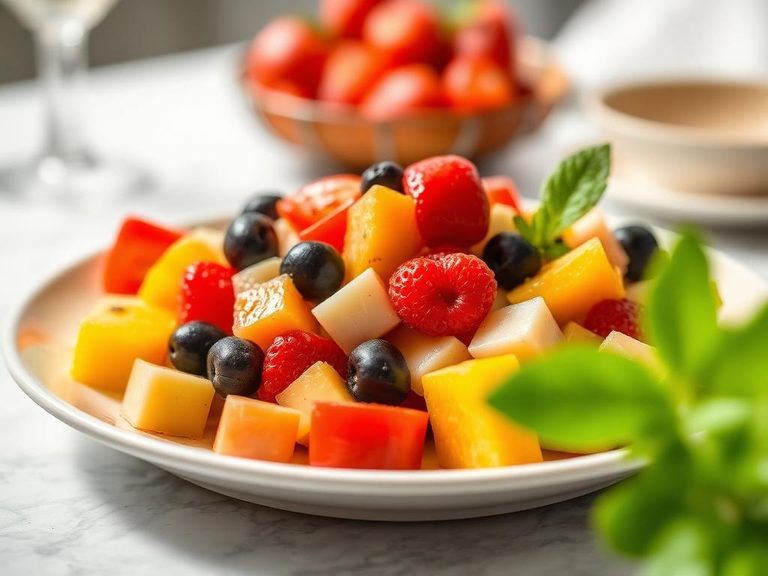
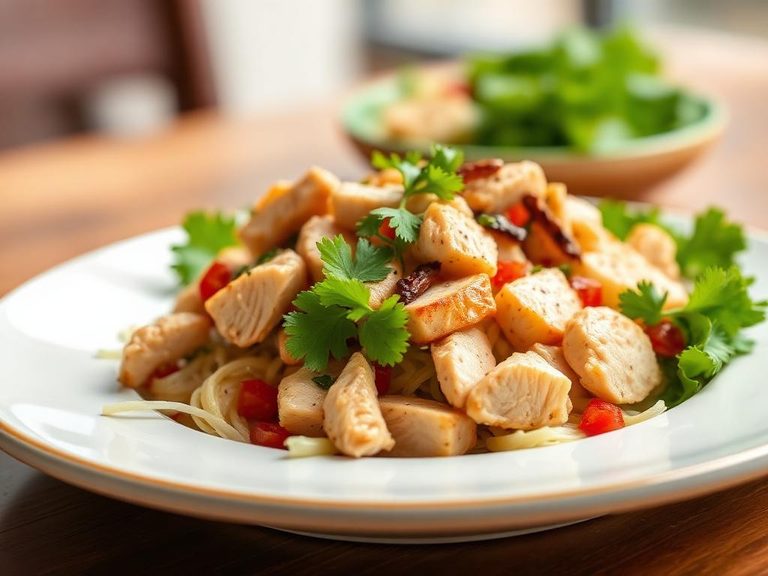
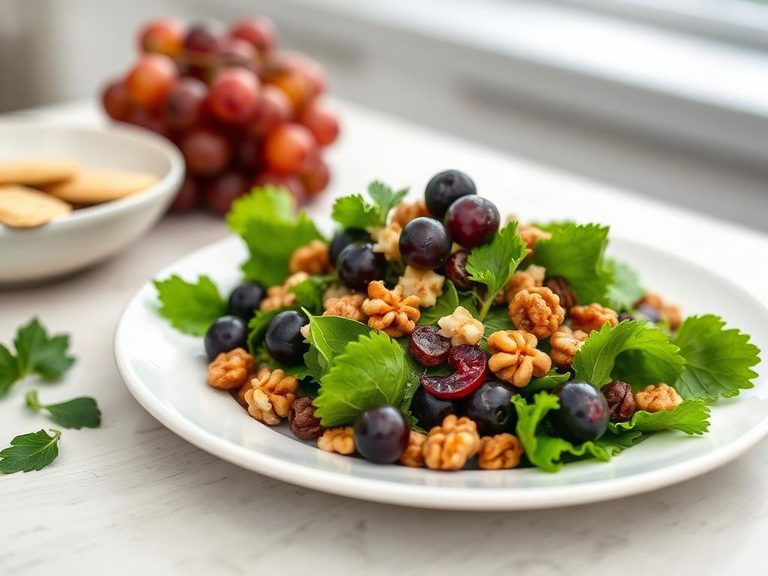
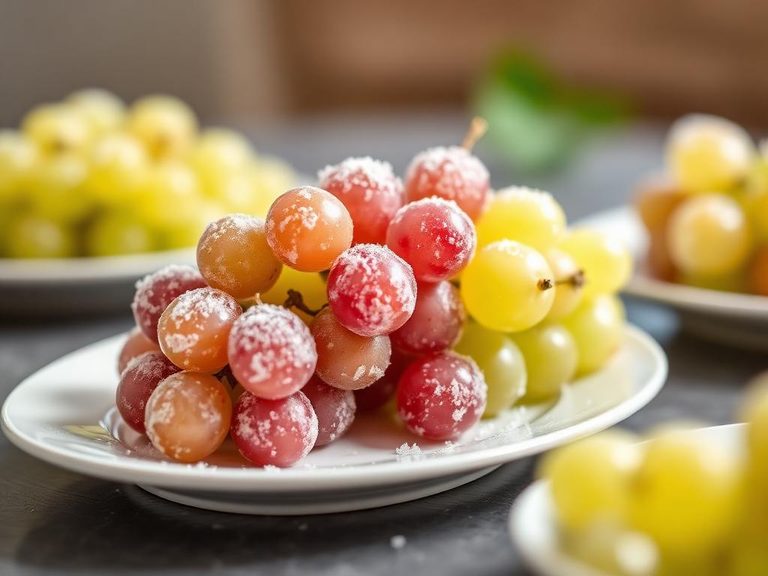
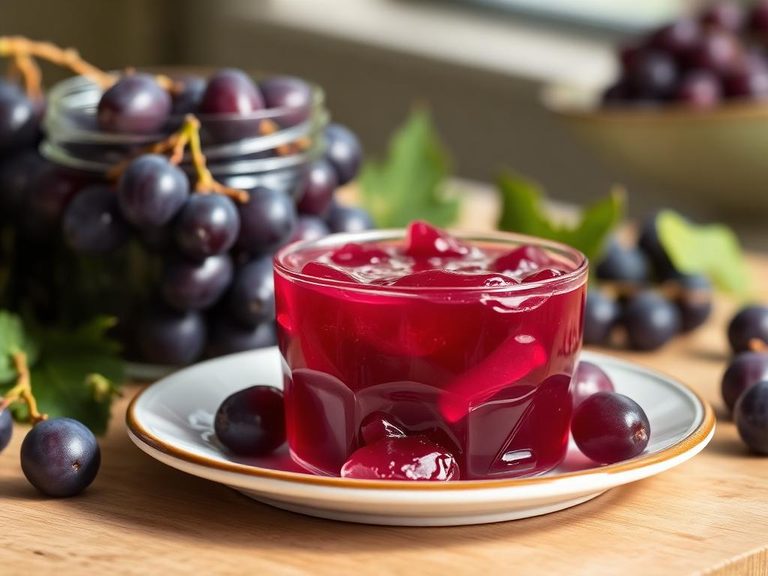
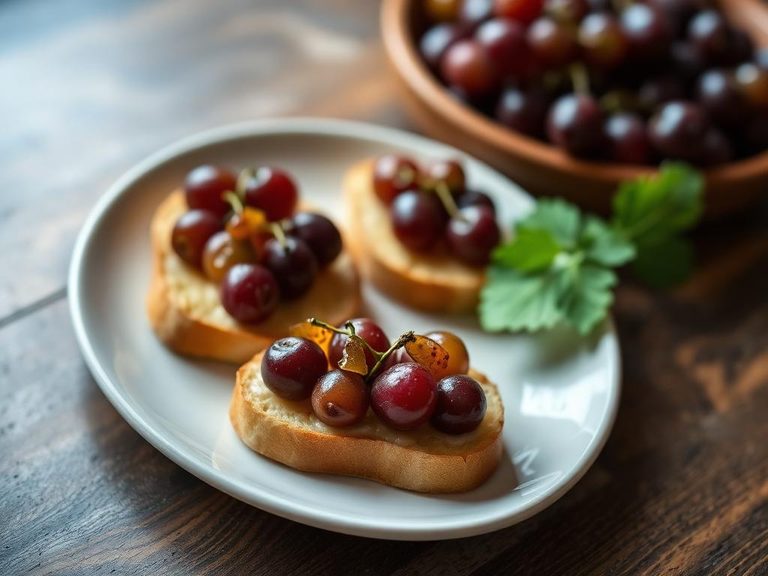
🌍 Where it's eaten
💡 Did you know?
The seedless grape is a modern marvel of agriculture; most varieties are sterile mutants that reproduce only through cuttings, a practice humans have used for over 5,000 years.
Full nutrition (scales with serving)
| Water | 79.9 g |
| Energy (Atwater General Factors) | 80.1 kcal |
| Energy (Atwater Specific Factors) | 71.9 kcal |
| Nitrogen | 0.14 g |
| Protein | 0.90 g |
| Total lipid (fat) | 0.23 g |
| Ash | 0.39 g |
| Carbohydrate, by difference | 18.6 g |
| Sugars, Total | 16.1 g |
| Sucrose | 0.00 g |
| Glucose | 7.5 g |
| Fructose | 8.6 g |
| Lactose | 0.00 g |
| Maltose | 0.00 g |
| Galactose | 0.00 g |
| Calcium, Ca | 9.9 mg |
| Iron, Fe | 0.20 mg |
| Magnesium, Mg | 7.1 mg |
| Phosphorus, P | 22.0 mg |
| Potassium, K | 218 mg |
| Sodium, Na | 3.2 mg |
| Zinc, Zn | 0.03 mg |
| Copper, Cu | 0.06 mg |
| Manganese, Mn | 0.08 mg |
| Vitamin C, total ascorbic acid | 3.0 mg |
| Biotin | 0.11 ug |
FAQ
Are green seedless grapes genetically modified (GMO)?
No, the seedless trait was developed through traditional selective breeding and natural mutations, not genetic engineering.
Why do some green grapes taste tart?
Tartness comes from natural malic acid. Grapes harvested earlier in the season or from cooler climates often have a higher acid-to-sugar ratio, giving them a tangier flavor.
Is the white 'bloom' on grapes safe to eat?
Yes, the powdery white coating is a natural, edible wax called epicuticular wax. It protects the grape from moisture loss and is a sign of freshness.