

KRAFT CHEEZ WHIZ LIGHT Pasteurized Process Cheese Product
Whole food · Dairy and Egg Products

Photo: Wikipedia
Kraft Cheez Whiz Light is a smooth, shelf-stable, pasteurized process cheese product with a vibrant orange color and a signature salty, tangy, and slightly sweet flavor. Its texture is uniquely creamy and pourable, designed for easy melting and spreading without separating. Nutritionally, it offers a notable 16.3g of protein per 100g, making it a significant source of this macronutrient compared to many other spreads.
Calorie split: 30% protein · 30% carbs · 40% fat
↓ Full nutrition💚 Why it's loved
People love it for its unparalleled convenience and nostalgic, umami-packed flavor that instantly elevates simple snacks like celery sticks or crackers. Its cultural legacy as the quintessential Philly cheesesteak sauce and a staple of mid-century American entertaining gives it a beloved, kitschy charm.
⚠️ Watch-outs & how to enjoy it better
The product is high in sodium and contains added sugars, which can contribute to blood pressure and blood sugar spikes if consumed in excess. It is also a processed food with emulsifying salts and may contain common allergens like milk. To counteract, practice strict portion control, pair it with high-fiber vegetables or whole-grain crackers, and ensure the rest of your daily meals are low-sodium and rich in whole foods.
Key benefits
- Excellent source of protein for a processed spread.
- Convenient, shelf-stable, and ready-to-use.
- Melts smoothly for sauces and dips.
- Provides calcium and vitamin A.
- Low in fat compared to full-fat cheese spreads.
🍽️ Popular dishes
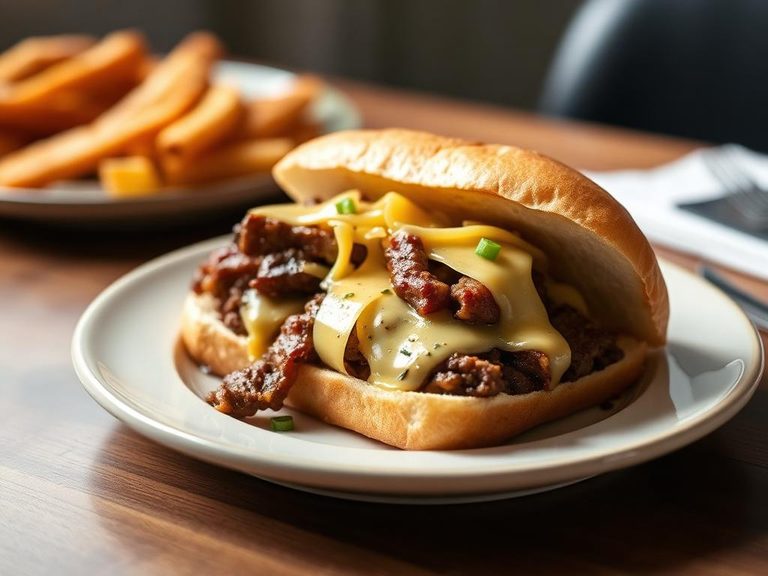
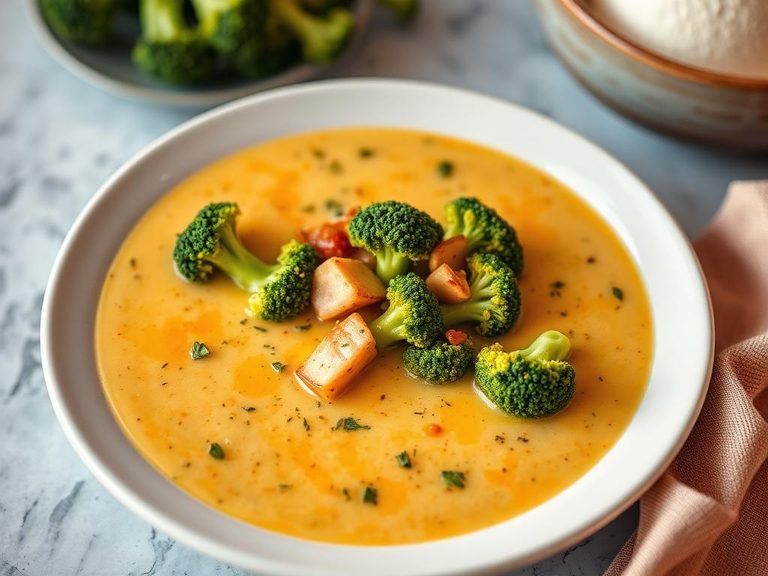
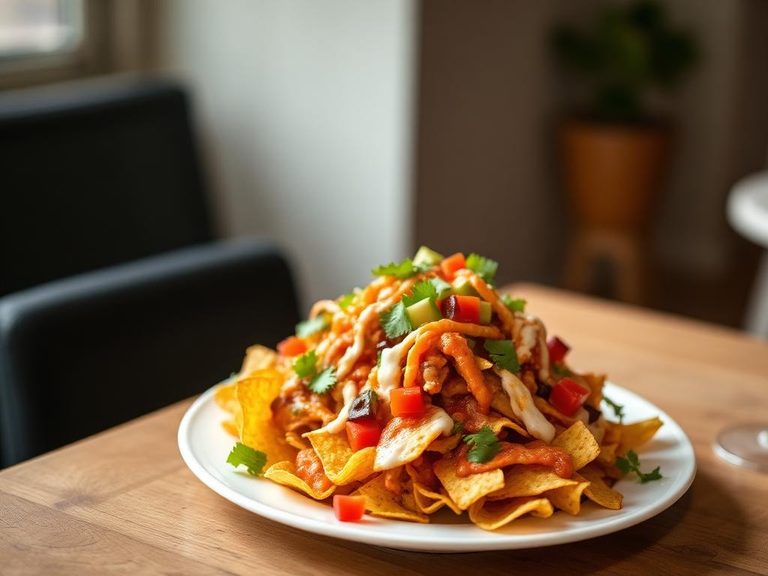
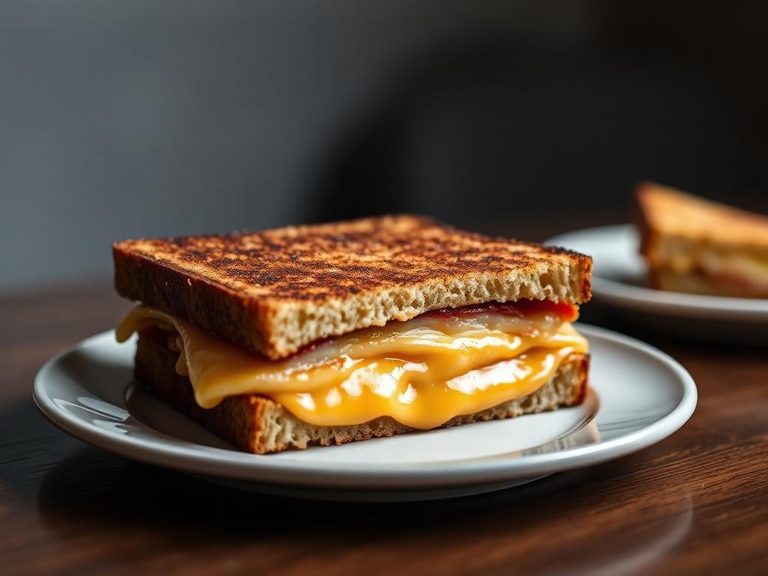
🌍 Where it's eaten
💡 Did you know?
The original Kraft Cheez Whiz was developed in 1952 by a food scientist who previously worked on creating a cheese product that could be easily applied to crackers, and its name was a portmanteau of 'Cheese' and 'Whiz' to imply speed.
Full nutrition (USDA data · scales with serving)
| Water | 51.5 g |
| Energy | 215 kcal |
| Energy | 900 kj |
| Protein | 16.3 g |
| Total lipid (fat) | 9.5 g |
| Ash | 6.4 g |
| Carbohydrate, by difference | 16.2 g |
| Fiber, total dietary | 0.20 g |
| Total Sugars | 8.2 g |
| Calcium, Ca | 418 mg |
| Iron, Fe | 0.16 mg |
| Phosphorus, P | 943 mg |
| Potassium, K | 297 mg |
| Sodium, Na | 1705 mg |
| Zinc, Zn | 2.4 mg |
| Vitamin C, total ascorbic acid | 0.40 mg |
| Riboflavin | 0.33 mg |
| Vitamin A, IU | 628 iu |
Fat & fatty acid profile (per 100g)
| Fatty acids, total saturated | 6.4 g |
| Cholesterol | 35.0 mg |
FAQ
Is Cheez Whiz Light actually made from real cheese?
It is a 'pasteurized process cheese product,' meaning it starts with real cheese (like Cheddar) but is blended with other ingredients like milk, emulsifying salts, and whey to create its signature texture and shelf stability.
How is it different from regular Cheez Whiz?
The 'Light' version has about 50% less fat and fewer calories per serving than the original, while maintaining a similar flavor profile and texture.
Can I use it in a homemade cheese sauce?
Yes, it's a popular shortcut. It melts very smoothly without breaking, making it ideal for quick cheese sauces for pasta, vegetables, or nachos.
Nutrient density (calculated · NRF9.3)
Nutrient Rich Foods index: beneficial nutrients (protein, fiber, vitamins, minerals) minus saturated fat, added sugar & sodium, per 100 kcal.
NRF9.3 index — Fulgoni, Keast & Drewnowski, 2009. Computed from USDA nutrients.
Weight-loss friendliness (composite index)
Energy density 2.15 kcal/g · 30% calories from protein · 0.2 g fiber · 8.2 g sugar per 100 g.
Composite of energy density (Rolls et al., 1999), protein & fiber satiety, minus sugar. A calculated heuristic — ranks satiety-per-calorie, not a clinical measure.
Dietary load (calculated from USDA values)
Potential renal acid load. Positive = acid-forming, negative = alkaline-forming.
Sodium-to-potassium ratio: 5.74 (lower is better — aim for ≤ 1)
Sodium:potassium per WHO potassium guidance. Computed from USDA nutrients.