

Fireweed, young leaves, raw (Alaska Native)
Whole food · American Indian/Alaska Native Foods

Photo: Wikipedia
Fireweed (Chamerion angustifolium) young leaves are a vibrant, foraged green with a tender, slightly chewy texture and a mild, peppery flavor reminiscent of spinach or watercress. Packed with fiber and surprisingly low in calories, they offer a nutrient-dense boost to wild food diets. Their bright green hue and subtle earthiness make them a prized seasonal ingredient in northern foraging traditions.
Calorie split: 27% protein · 57% carbs · 16% fat
↓ Full nutrition💚 Why it's loved
Foragers cherish fireweed leaves for their unique, mild pepperiness that adds a wild, seasonal character to dishes. They are celebrated in Alaska Native and northern cuisines as a free, nutrient-rich food that connects people to the land and traditional subsistence practices.
⚠️ Watch-outs & how to enjoy it better
As a wild green, fireweed can accumulate oxalates, which may concern those with kidney issues or a predisposition to kidney stones. To reduce oxalate content, blanch the leaves in boiling water for 1-2 minutes and discard the water before using in salads or cooked dishes. Also, introduce it gradually into your diet to assess personal tolerance.
Key benefits
- Excellent source of dietary fiber (6g per 100g)
- Very low in calories (44 kcal per 100g)
- Contains plant-based protein (3g per 100g)
- Naturally fat-free and sugar-free
- Rich in vitamins A and C (typical for wild greens)
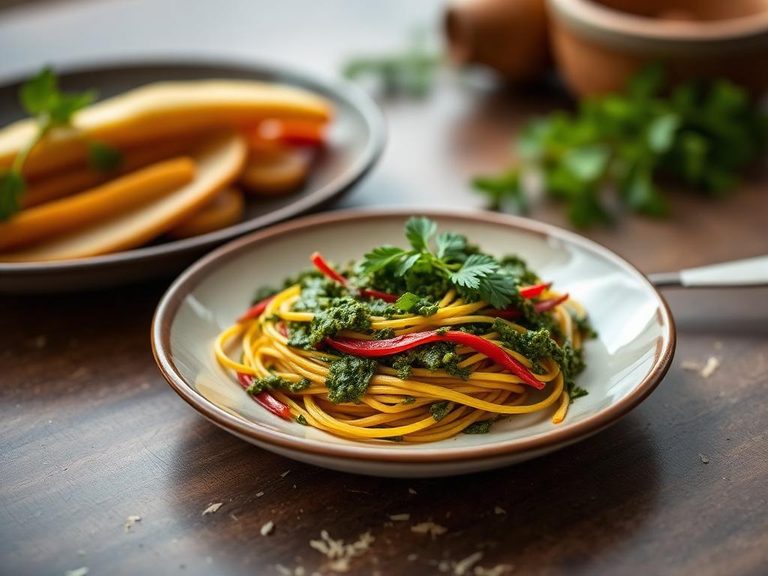
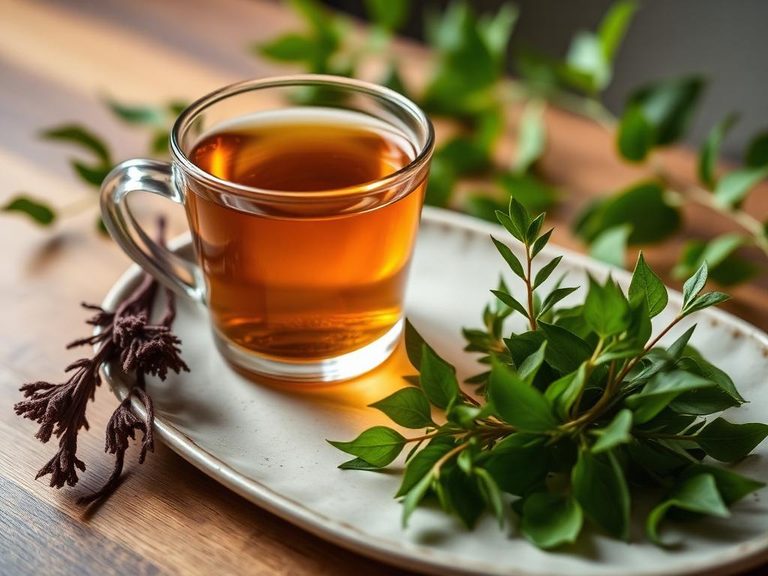
🍽️ Popular dishes
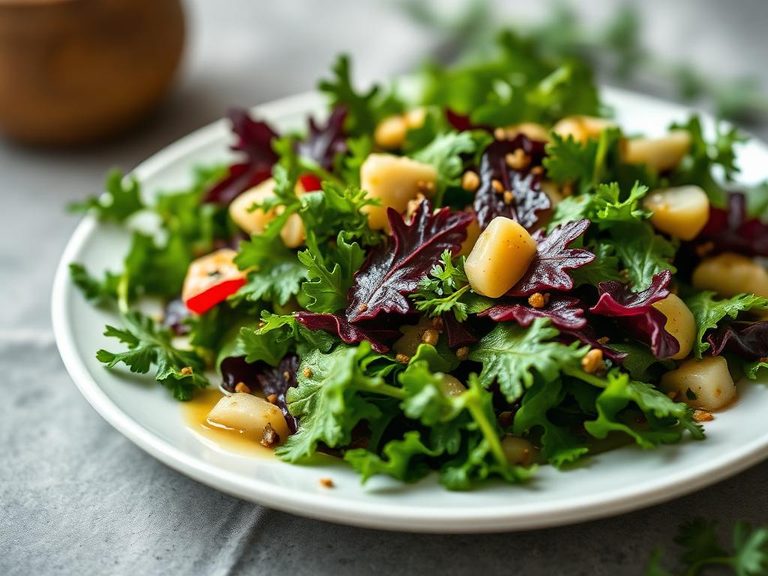
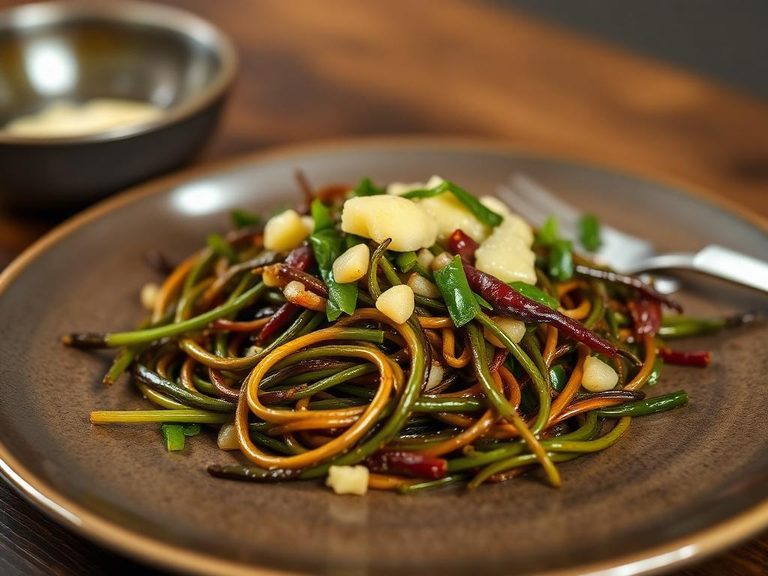
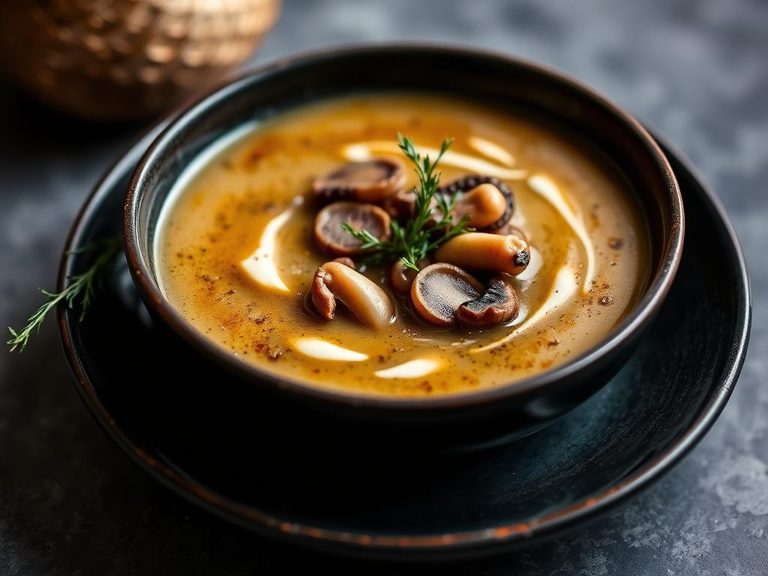
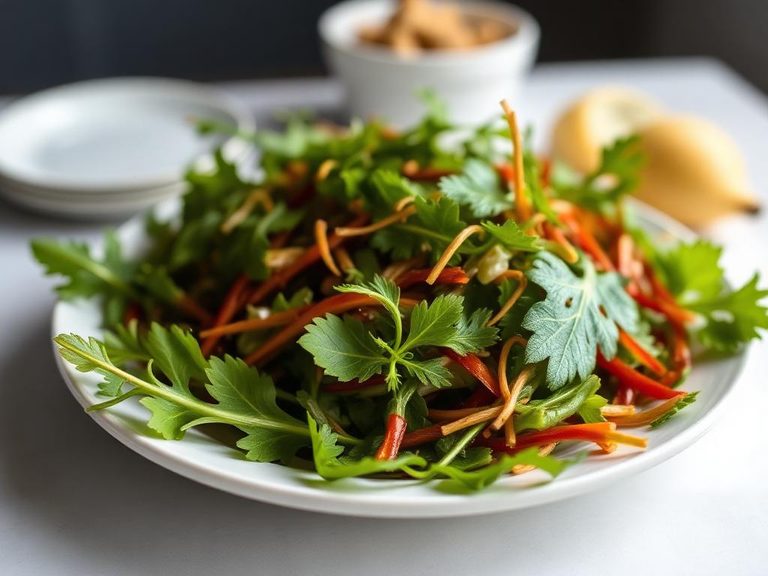
🌍 Where it's eaten
💡 Did you know?
Fireweed is often one of the first plants to colonize disturbed areas, like after a forest fire, hence its name. Its seeds have silky hairs that allow them to travel long distances on the wind.
Full nutrition (USDA data · scales with serving)
| Water | 87.2 g |
| Energy | 44.0 kcal |
| Energy | 186 kj |
| Protein | 3.0 g |
| Total lipid (fat) | 0.80 g |
| Ash | 2.7 g |
| Carbohydrate, by difference | 6.3 g |
| Fiber, total dietary | 6.0 g |
| Calcium, Ca | 13.0 mg |
| Iron, Fe | 2.1 mg |
| Phosphorus, P | 166 mg |
| Potassium, K | 251 mg |
| Sodium, Na | 50.0 mg |
| Vitamin C, total ascorbic acid | 99.0 mg |
| Thiamin | 0.04 mg |
| Riboflavin | 0.86 mg |
| Niacin | 1.4 mg |
| Vitamin A, IU | 5720 iu |
FAQ
What does raw fireweed taste like?
Raw fireweed leaves have a mild, slightly peppery and earthy flavor, similar to a mix of spinach and watercress, with a tender but slightly chewy texture.
How do you prepare fireweed leaves to eat?
Young leaves can be eaten raw in salads, but are more commonly blanched, sautéed, or added to soups and stews. Blanching helps reduce oxalates.
Is fireweed safe to forage and eat?
Yes, when correctly identified. It's crucial to forage from clean areas away from roads or pollution and to be 100% certain of plant identification. Consult a local foraging guide or expert.
Nutrient density (calculated · NRF9.3)
Nutrient Rich Foods index: beneficial nutrients (protein, fiber, vitamins, minerals) minus saturated fat, added sugar & sodium, per 100 kcal.
NRF9.3 index — Fulgoni, Keast & Drewnowski, 2009. Computed from USDA nutrients.
Weight-loss friendliness (composite index)
Energy density 0.44 kcal/g · 27% calories from protein · 6.0 g fiber · 0.0 g sugar per 100 g.
Composite of energy density (Rolls et al., 1999), protein & fiber satiety, minus sugar. A calculated heuristic — ranks satiety-per-calorie, not a clinical measure.
Dietary load (calculated from USDA values)
Potential renal acid load. Positive = acid-forming, negative = alkaline-forming.
Sodium-to-potassium ratio: 0.20 (lower is better — aim for ≤ 1)
Sodium:potassium per WHO potassium guidance. Computed from USDA nutrients.