Carrots, baby, raw
Whole food · Vegetables and Vegetable Products
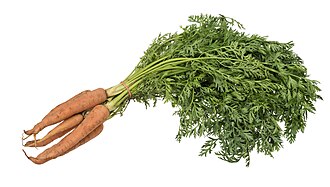
Photo: Wikipedia
Baby carrots are young, tender carrots harvested early for their petite size and sweet, mild flavor. They offer a satisfying, crisp snap and a vibrant orange color, packing a notable dose of vitamin A (as beta-carotene) into a convenient, low-calorie snack.
💚 Why it's loved
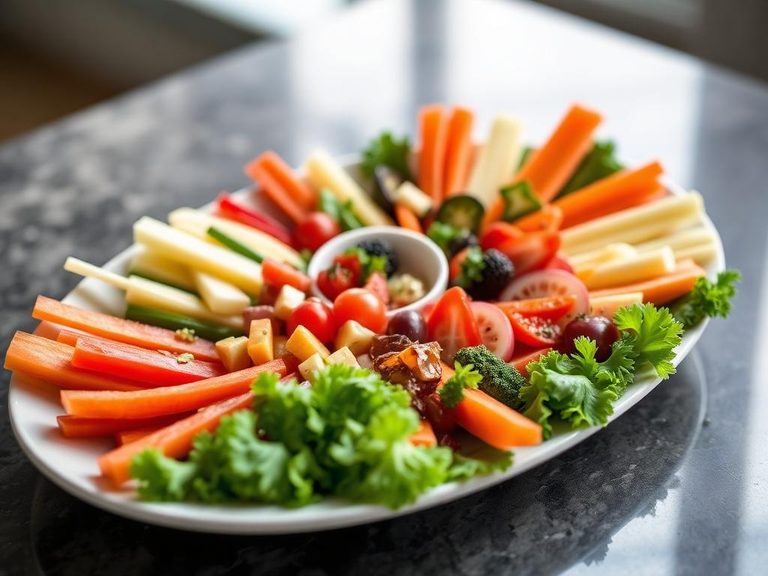
People adore baby carrots for their perfect, hand-sized crunch and natural sweetness, which makes them a go-to healthy snack for all ages. Their versatility shines in everything from lunchboxes to elegant crudité platters.
⚠️ Watch-outs & how to enjoy it better
Some individuals may experience digestive gas or bloating due to their fiber and fermentable carbohydrate content. To mitigate this, introduce them gradually into your diet and ensure thorough chewing. For those monitoring blood sugar, pairing them with a protein or healthy fat (like hummus or almond butter) can help moderate glycemic response.
Key benefits
- Excellent source of beta-carotene, converted to vitamin A by the body.
- Very low in calories and fat, making them ideal for weight management.
- Provides dietary fiber for digestive health.
- Contains antioxidants like lutein and lycopene.
- Convenient, portable, and requires no peeling.
🍽️ Popular dishes
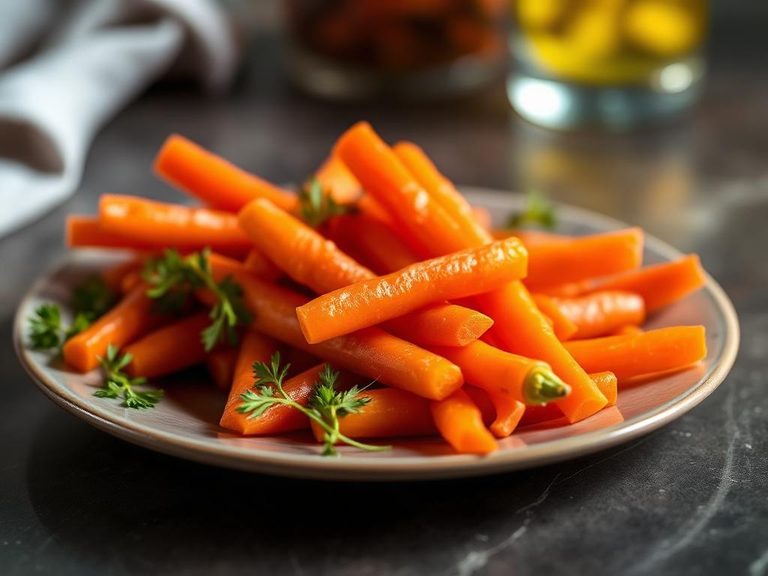
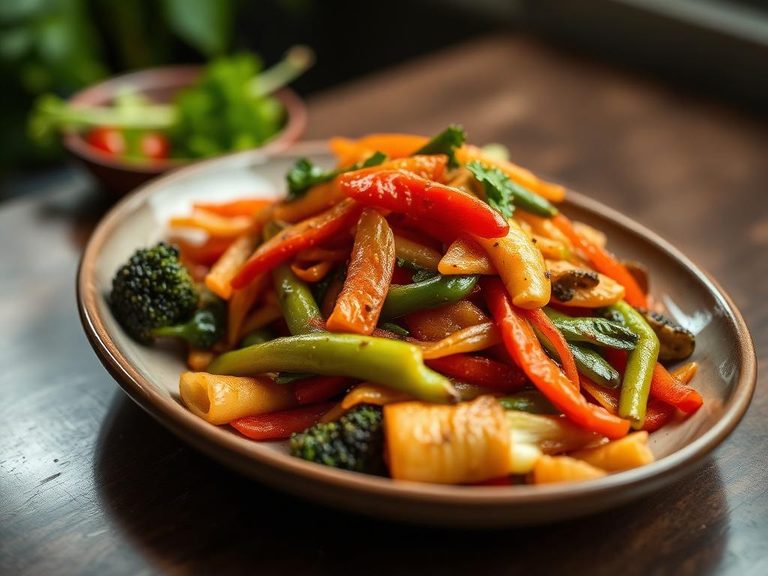
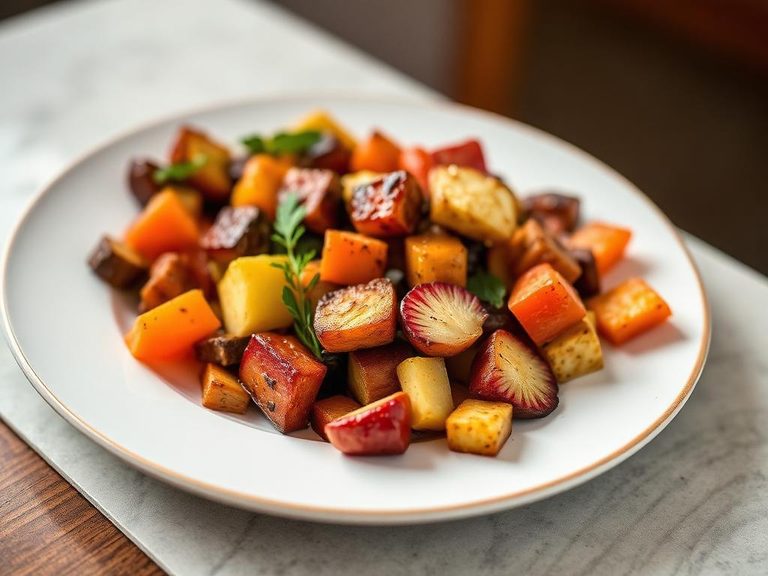
🌍 Where it's eaten
💡 Did you know?
The 'baby carrots' sold in most U.S. stores are not actually young carrots; they are larger, older carrots that have been mechanically cut and polished into a uniform, small shape.
Full nutrition (scales with serving)
| Water | 89.3 g |
| Energy (Atwater General Factors) | 40.8 kcal |
| Energy (Atwater Specific Factors) | 38.3 kcal |
| Nitrogen | 0.13 g |
| Protein | 0.81 g |
| Total lipid (fat) | 0.14 g |
| Ash | 0.68 g |
| Carbohydrate, by difference | 9.1 g |
| Fiber, total dietary | 2.7 g |
| Calcium, Ca | 42.2 mg |
| Iron, Fe | 0.09 mg |
| Magnesium, Mg | 11.1 mg |
| Phosphorus, P | 29.6 mg |
| Potassium, K | 237 mg |
| Sodium, Na | 62.7 mg |
| Zinc, Zn | 0.16 mg |
| Copper, Cu | 0.04 mg |
| Manganese, Mn | 0.09 mg |
| Selenium, Se | 0.00 ug |
| Thiamin | 0.04 mg |
| Riboflavin | 0.12 mg |
| Niacin | 0.74 mg |
| Vitamin B-6 | 0.11 mg |
| Biotin | 2.4 ug |
| Folate, total | 43.6 ug |
FAQ
Are baby carrots just small carrots?
Not exactly. True 'baby carrots' are young, immature carrots harvested early. However, most 'baby-cut carrots' in stores are made from larger, regular carrots that are cut and shaped to look like small, uniform carrots.
Why do baby carrots sometimes get a white, chalky coating?
This is called 'blushing' or 'carrot blush.' It's a natural dehydration effect where the carrot's surface dries out and becomes slightly whitish. It's safe to eat. To prevent it, store carrots in a sealed container or bag in the refrigerator's crisper drawer.
Can I eat baby carrots raw if I'm concerned about pesticide residue?
Yes, but washing is recommended. While baby carrots are often pre-washed, a quick rinse under running water is a good practice. For extra peace of mind, you can choose organic varieties or use a vegetable brush for firmer, unpeeled carrots.