

Archway Home Style Cookies, Sugar Free Oatmeal
Whole food · Baked Products

Photo: Wikipedia
A crisp, buttery oatmeal cookie with a classic, comforting sweetness, but formulated without sugar for a lower-glycemic treat. The texture is satisfyingly crunchy with a hearty oat bite, and the nutrition profile highlights a significant fat content from its buttery base.
Calorie split: 5% protein · 56% carbs · 39% fat
↓ Full nutrition💚 Why it's loved
People love it for delivering the nostalgic, comforting flavor and satisfying crunch of a traditional oatmeal cookie while fitting into a reduced-sugar dietary plan. Its versatility makes it a handy snack for coffee breaks, lunchboxes, or a simple dessert.
⚠️ Watch-outs & how to enjoy it better
The high carbohydrate and fat content, despite being sugar-free, can still impact blood sugar levels and calorie intake if not portion-controlled. Those monitoring saturated fat or caloric density should be mindful. To counteract this, pair a single cookie with a source of protein or healthy fat (like a handful of nuts or a cheese stick) to promote satiety and slow carbohydrate absorption.
Key benefits
- Sugar-free formulation for reduced sugar intake
- Provides quick energy from carbohydrates
- Source of dietary fiber from oats
- Convenient, pre-portioned snack option
- Offers a classic cookie experience without added sugar
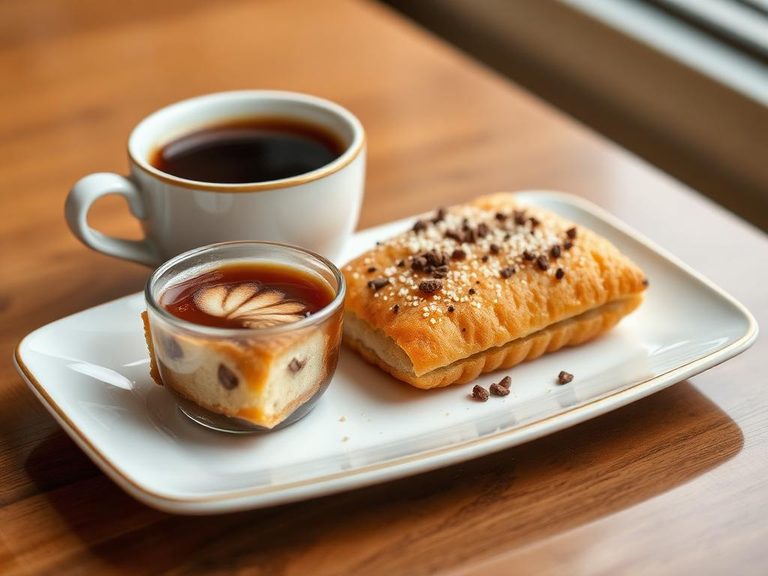
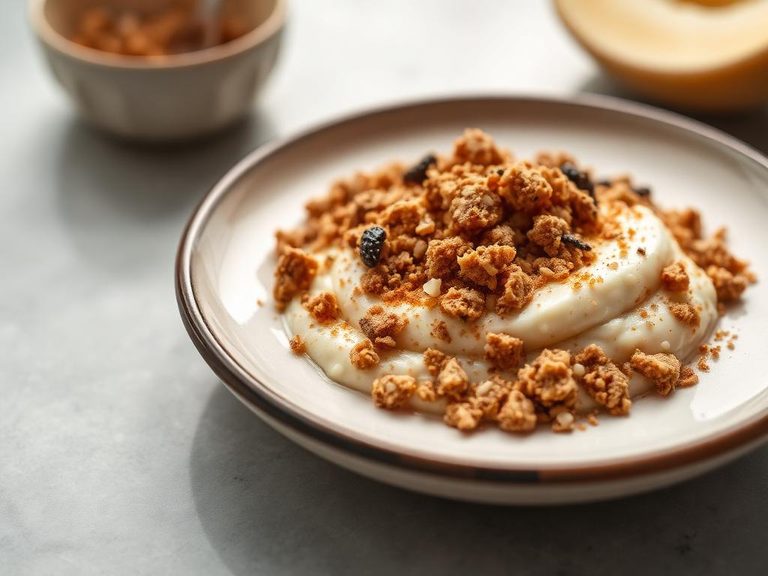
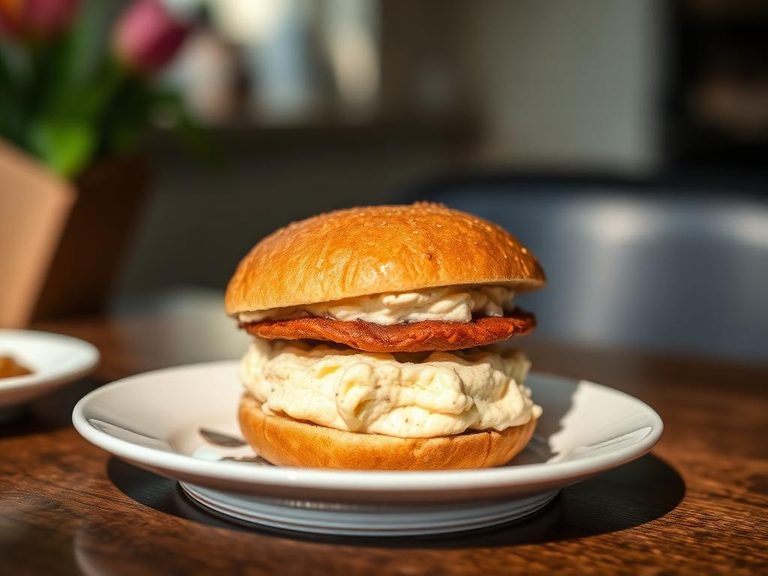
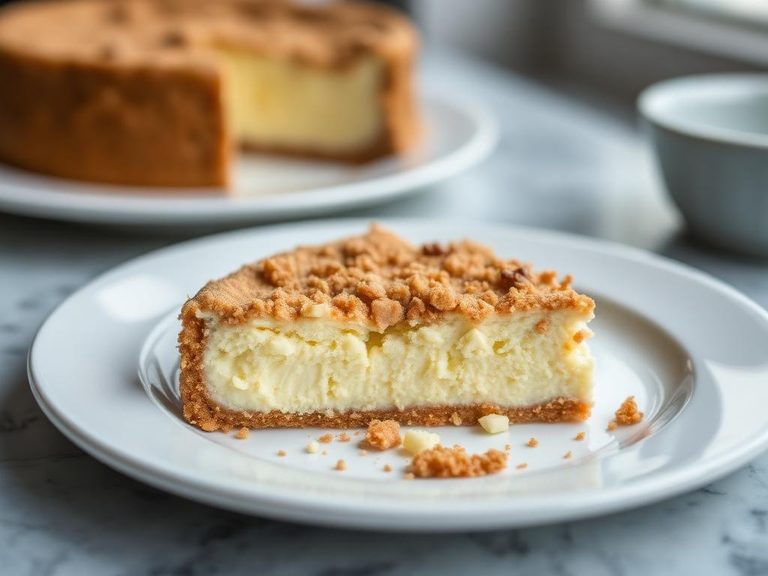
🍽️ Popular dishes
🌍 Where it's eaten
💡 Did you know?
The 'sugar-free' label typically means the cookie uses sugar alcohols or other bulk sweeteners, which can still contribute to the total carbohydrate count and may have a laxative effect in large quantities.
Full nutrition (USDA data · scales with serving)
| Water | 5.0 g |
| Energy | 442 kcal |
| Energy | 1849 kj |
| Protein | 5.5 g |
| Total lipid (fat) | 20.9 g |
| Ash | 1.3 g |
| Carbohydrate, by difference | 67.2 g |
| Fiber, total dietary | 1.9 g |
| Total Sugars | 1.3 g |
| Calcium, Ca | 20.0 mg |
| Iron, Fe | 2.0 mg |
| Potassium, K | 87.0 mg |
| Sodium, Na | 308 mg |
| Vitamin C, total ascorbic acid | 0.00 mg |
| Thiamin | 0.27 mg |
| Riboflavin | 0.17 mg |
| Niacin | 1.8 mg |
| Folate, total | 58.0 ug |
| Folate, food | 58.0 ug |
| Vitamin A, IU | 1.0 iu |
Fat & fatty acid profile (per 100g)
| Fatty acids, total saturated | 4.9 g |
| Fatty acids, total monounsaturated | 7.9 g |
| Fatty acids, total polyunsaturated | 1.3 g |
| Cholesterol | 0.00 mg |
FAQ
How is it sweet without sugar?
It likely uses sugar alcohols (like maltitol) or other non-sugar sweeteners that provide sweetness with fewer calories and a lower glycemic impact than table sugar.
Is it safe for diabetics?
While sugar-free, it's still high in carbohydrates and fat. Individuals with diabetes should consult their healthcare provider and consider the total carbohydrate count per serving within their meal plan.
Why is the fat content so high?
The fat primarily comes from butter or shortening used in the dough, which gives the cookie its rich flavor and crisp, tender texture.
Can I eat this on a keto diet?
Probably not. With 67.2g of carbohydrates per 100g, it is far too high in carbs for a standard ketogenic diet.
Nutrient density (calculated · NRF9.3)
Nutrient Rich Foods index: beneficial nutrients (protein, fiber, vitamins, minerals) minus saturated fat, added sugar & sodium, per 100 kcal.
NRF9.3 index — Fulgoni, Keast & Drewnowski, 2009. Computed from USDA nutrients.
Weight-loss friendliness (composite index)
Energy density 4.42 kcal/g · 5% calories from protein · 1.9 g fiber · 1.3 g sugar per 100 g.
Composite of energy density (Rolls et al., 1999), protein & fiber satiety, minus sugar. A calculated heuristic — ranks satiety-per-calorie, not a clinical measure.
Dietary load (calculated from USDA values)
Sodium-to-potassium ratio: 3.54 (lower is better — aim for ≤ 1)
Sodium:potassium per WHO potassium guidance. Computed from USDA nutrients.