Rhubarb, stalk, raw
Whole food · Fruits and Fruit Juices

Photo: Wikipedia
Raw rhubarb stalks are the crisp, tart, and vibrantly colored petioles of the Rheum rhabarbarum plant, famously used in sweet preparations despite being a vegetable. Their distinctively sour, almost astringent flavor and firm, celery-like texture make them a unique culinary ingredient. Nutritionally, they are a low-calorie source of fiber, with a notable 1.4g per 100g, and are rich in vitamin K and antioxidants.
💚 Why it's loved
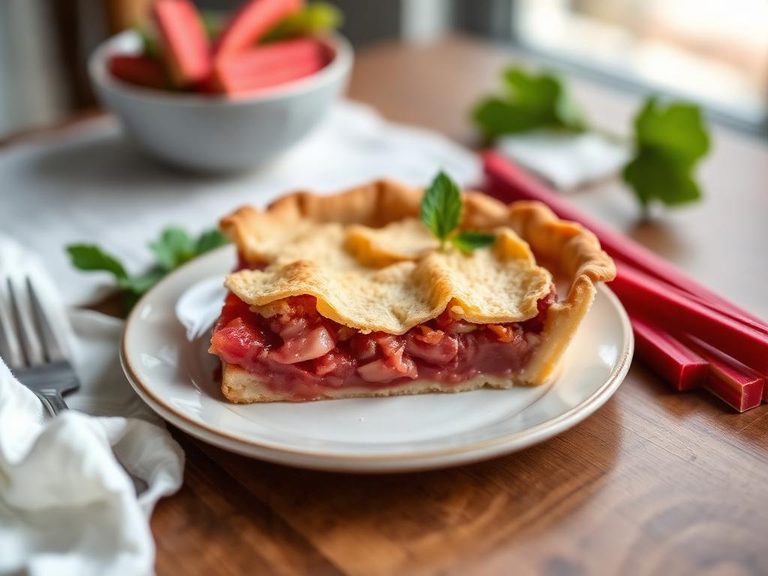
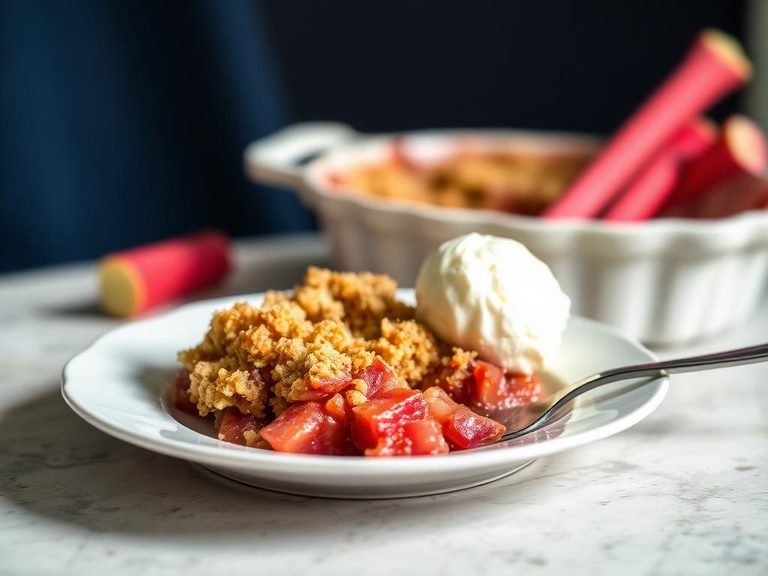
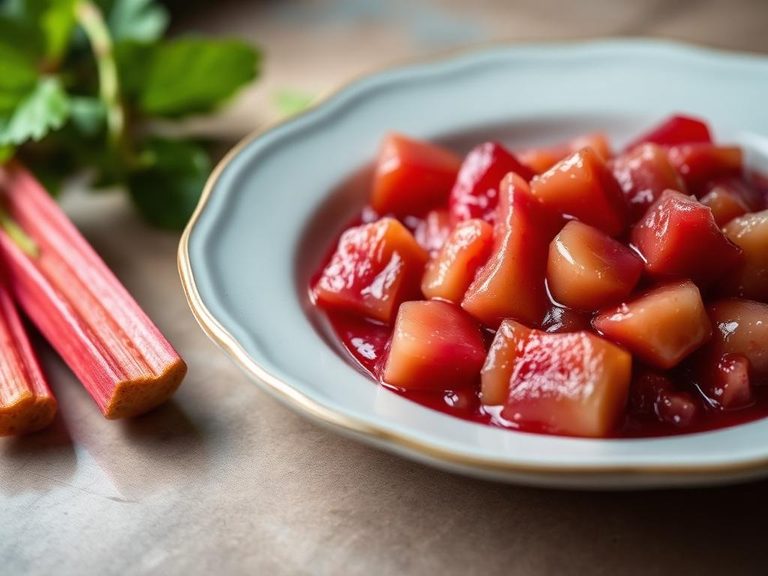
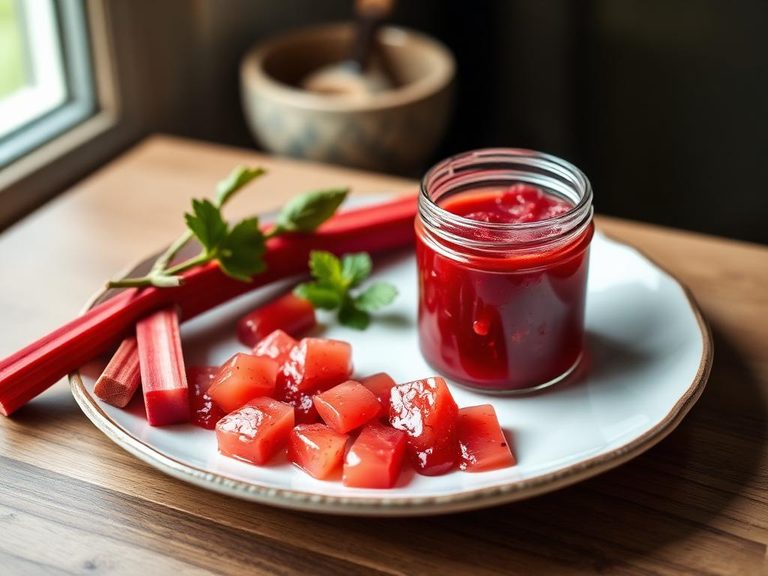
People love rhubarb for its unique, sharp tartness that balances beautifully with sugar in desserts, creating a nostalgic, springtime flavor. Its versatility allows it to be used in pies, jams, compotes, and even savory sauces, making it a beloved seasonal staple.
⚠️ Watch-outs & how to enjoy it better
Raw rhubarb is extremely sour and astringent, which can be off-putting to some, and its leaves contain high levels of oxalic acid and are toxic if consumed. To counteract the tartness, it is almost always cooked with sugar, and the leaves should always be discarded. For those sensitive to oxalates, pairing it with calcium-rich foods (like dairy) can help bind them.
Key benefits
- Excellent source of dietary fiber for digestive health.
- Rich in vitamin K, essential for bone health and blood clotting.
- Contains antioxidants like anthocyanins, which give it its red color.
- Very low in calories and naturally fat-free.
- Provides a good amount of vitamin C.
🍽️ Popular dishes
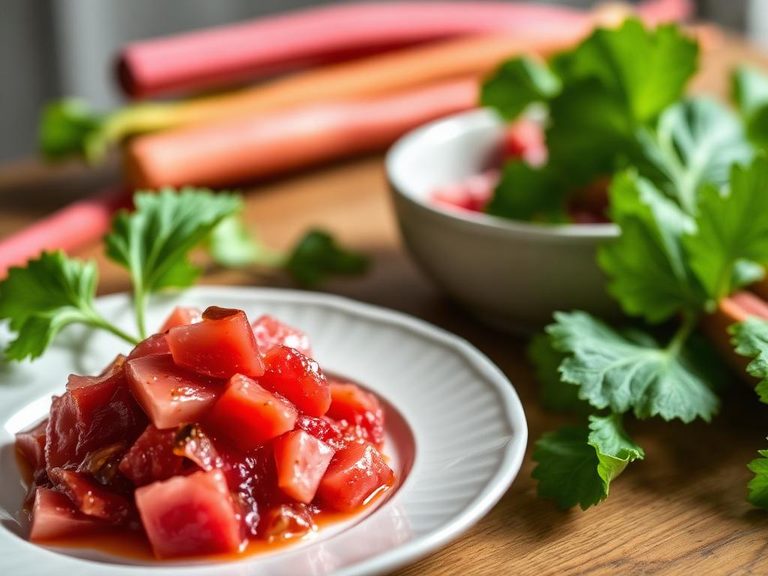
🌍 Where it's eaten
💡 Did you know?
The word 'rhubarb' is used in British English as a theatrical term for a crowd scene or indistinct murmur, because actors would repeat the word 'rhubarb' to create the sound of background chatter.
Full nutrition (scales with serving)
| Water | 94.6 g |
| Ash | 0.50 g |
| Fiber, total dietary | 1.4 g |
| Sugars, Total | 0.64 g |
| Sucrose | 0.00 g |
| Glucose | 0.33 g |
| Fructose | 0.31 g |
| Lactose | 0.00 g |
| Maltose | 0.00 g |
| Calcium, Ca | 32.9 mg |
| Iron, Fe | 0.00 mg |
| Magnesium, Mg | 12.7 mg |
| Phosphorus, P | 24.9 mg |
| Potassium, K | 265 mg |
| Sodium, Na | 0.00 mg |
| Zinc, Zn | 0.18 mg |
| Copper, Cu | 0.03 mg |
| Manganese, Mn | 0.10 mg |
| Vitamin C, total ascorbic acid | 6.9 mg |
| Thiamin | 0.02 mg |
| Riboflavin | 0.14 mg |
| Niacin | 0.23 mg |
| Vitamin B-6 | 0.04 mg |
FAQ
Are rhubarb stalks a fruit or a vegetable?
Botanically, rhubarb stalks are vegetable petioles (leaf stalks), but they are almost exclusively used in sweet, fruit-like dishes in Western cuisine.
Is it safe to eat raw rhubarb?
Yes, the stalks are safe to eat raw, though they are very tart. Always discard the leaves, as they contain toxic levels of oxalic acid.
How do I reduce the tartness of rhubarb?
Cooking it with sugar is the most common method. You can also macerate it with sugar beforehand or pair it with sweet fruits like strawberries.