

Walrus, meat, dried (Alaska Native)
Whole food · American Indian/Alaska Native Foods

Photo: Wikipedia
Dried walrus meat is a traditional, intensely nutrient-dense subsistence food with a deep, gamey flavor and a tough, chewy texture that softens with rehydration or slow cooking. It is an extraordinary source of protein, delivering a massive 57 grams per 100g with virtually no carbohydrates or fat. This preparation method concentrates the meat's nutrients, making it a vital, portable energy source in the harsh Arctic environment.
Calorie split: 91% protein · 0% carbs · 9% fat
↓ Full nutrition💚 Why it's loved
People value dried walrus meat for its profound cultural significance and its role as a reliable, long-lasting food source in remote regions. Its concentrated, rich flavor is cherished in traditional dishes, and its nutritional density is unmatched for sustaining energy in extreme conditions.
⚠️ Watch-outs & how to enjoy it better
The extremely lean and dense nature of the meat can make it tough and challenging to chew if not properly prepared. It is a very high-protein food, so individuals with specific kidney conditions should consult a healthcare provider. To improve palatability, it is often rehydrated in broth or fat and cooked slowly in stews to tenderize the fibers.
Key benefits
- Exceptionally high protein content for muscle maintenance and satiety
- Virtually zero carbohydrates, suitable for ketogenic or carnivore diets
- Extremely low in fat, providing lean animal protein
- Long shelf life without refrigeration when properly dried
- A traditional, culturally significant source of micronutrients like iron and B vitamins
🍽️ Popular dishes
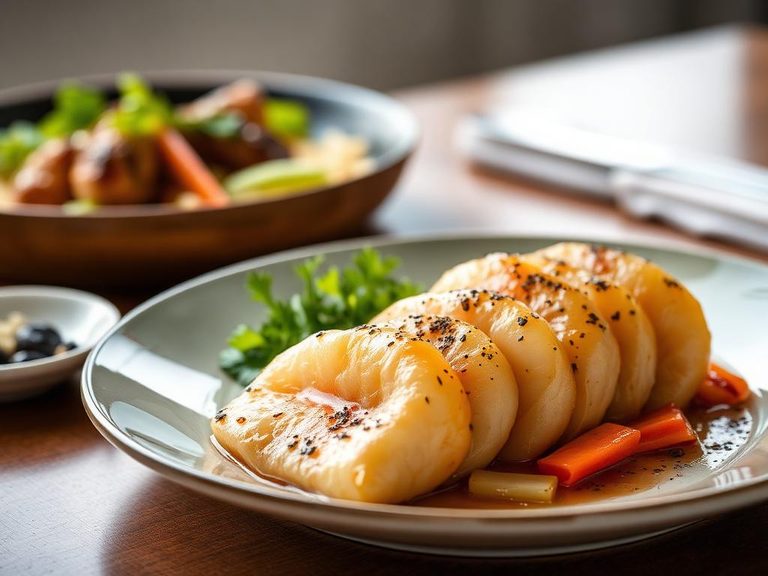
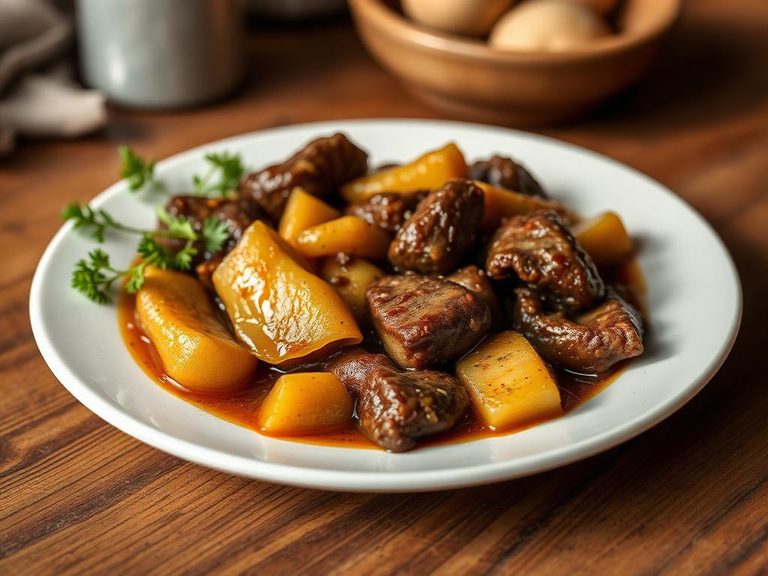
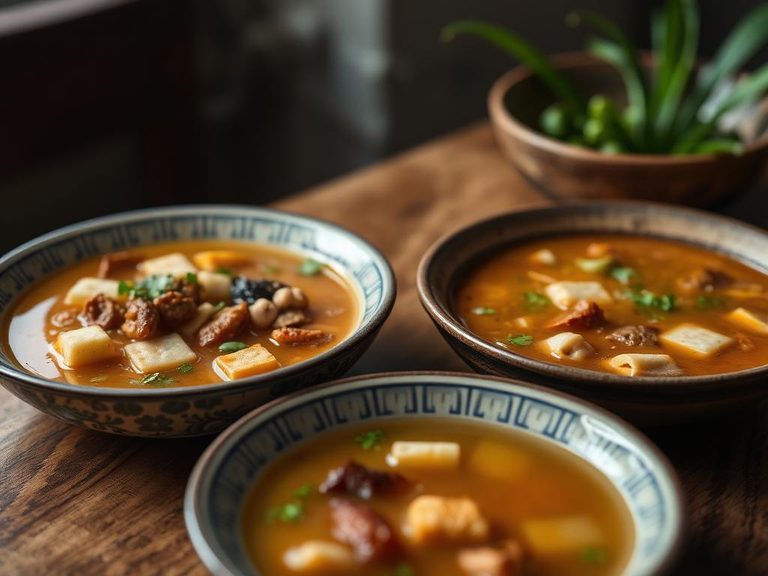
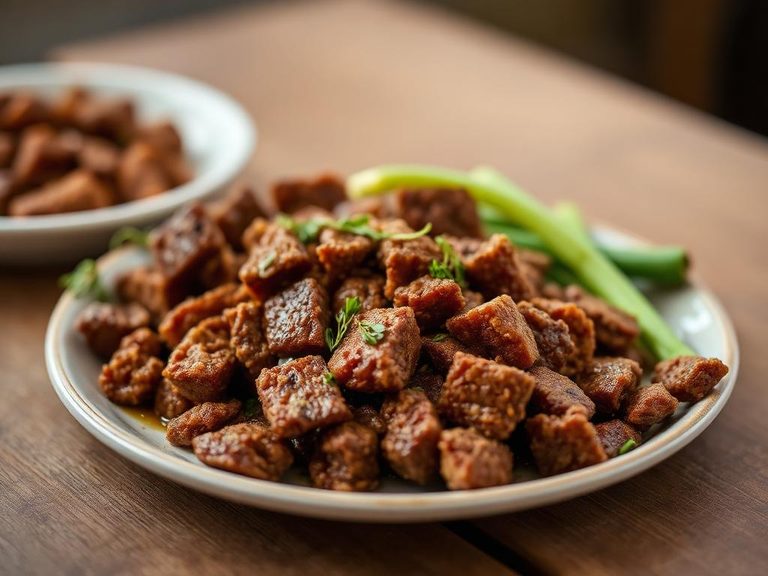
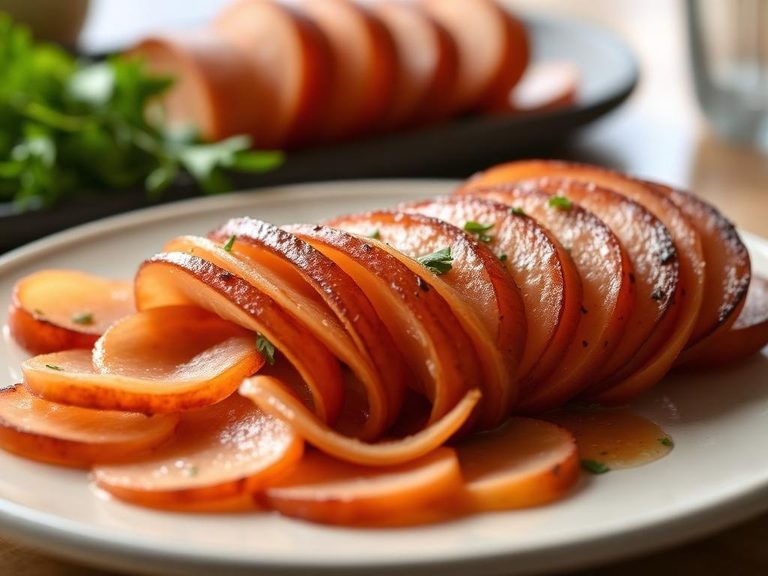
🌍 Where it's eaten
💡 Did you know?
A single 100g serving of dried walrus meat contains more protein than two large chicken breasts, yet has less than a gram of fat.
Full nutrition (USDA data · scales with serving)
| Water | 38.8 g |
| Energy | 251 kcal |
| Energy | 1052 kj |
| Protein | 57.0 g |
| Total lipid (fat) | 2.6 g |
| Ash | 1.6 g |
| Carbohydrate, by difference | 0.00 g |
| Iron, Fe | 43.0 mg |
| Phosphorus, P | 415 mg |
| Thiamin | 0.21 mg |
| Riboflavin | 0.79 mg |
| Niacin | 10.1 mg |
| Vitamin A, IU | 410 iu |
FAQ
How do you eat dried walrus meat?
It is typically rehydrated by soaking in water, broth, or fat, then slow-cooked in stews to tenderize it. It can also be eaten as-is as a very tough, chewy snack.
Is dried walrus meat safe to eat?
When sourced and prepared traditionally by experienced hunters and processors, it is a safe and valuable food. It is important to source it from reputable, regulated channels due to wildlife management and food safety considerations.
Why is it so high in protein and low in fat?
The drying process removes almost all water and concentrates the nutrients. Walrus muscle meat is naturally very lean, and traditional drying methods further reduce any residual moisture and fat content.
Weight-loss friendliness (composite index)
Energy density 2.51 kcal/g · 91% calories from protein · 0.0 g fiber · 0.0 g sugar per 100 g.
Composite of energy density (Rolls et al., 1999), protein & fiber satiety, minus sugar. A calculated heuristic — ranks satiety-per-calorie, not a clinical measure.