

Walrus, meat and subcutaneous fat raw (Alaska Native)
Whole food · American Indian/Alaska Native Foods

Photo: Wikipedia
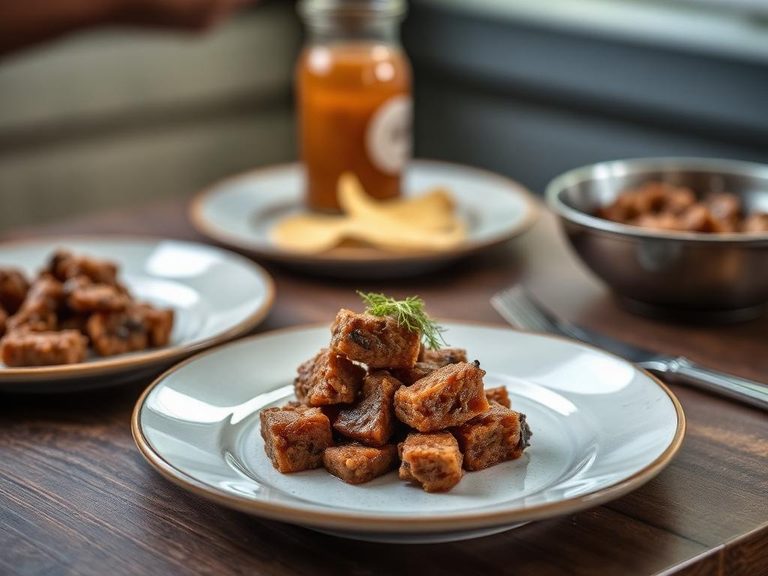
Walrus meat is a dense, dark red protein source with a distinct, iron-rich flavor often compared to gamey beef or venison. The raw subcutaneous fat is a prized, calorie-dense energy source with a waxy, buttery texture that melts slowly. Nutritionally, it is a powerhouse of protein and healthy fats, providing sustained energy in extreme Arctic climates.
Calorie split: 23% protein · 0% carbs · 77% fat
↓ Full nutrition💚 Why it's loved
It is deeply valued in Alaska Native cultures as a vital subsistence food, representing tradition, community sharing, and resilience. The rich, savory flavor of the meat and the unique, sustaining quality of the fat are central to its culinary appeal.
⚠️ Watch-outs & how to enjoy it better
The strong, gamey taste and dense texture can be unfamiliar or off-putting to those accustomed to milder meats. Due to its high fat and calorie content, it should be consumed in moderation by individuals monitoring their fat intake. A practical tip is to prepare it in stews or with acidic ingredients like berries to balance the richness.
Key benefits
- Exceptionally high in calories for energy in cold environments
- Rich source of complete protein for muscle maintenance
- Provides omega-3 fatty acids from a marine diet
- Contains iron and B vitamins, especially B12
- Fat serves as a traditional, long-lasting food source
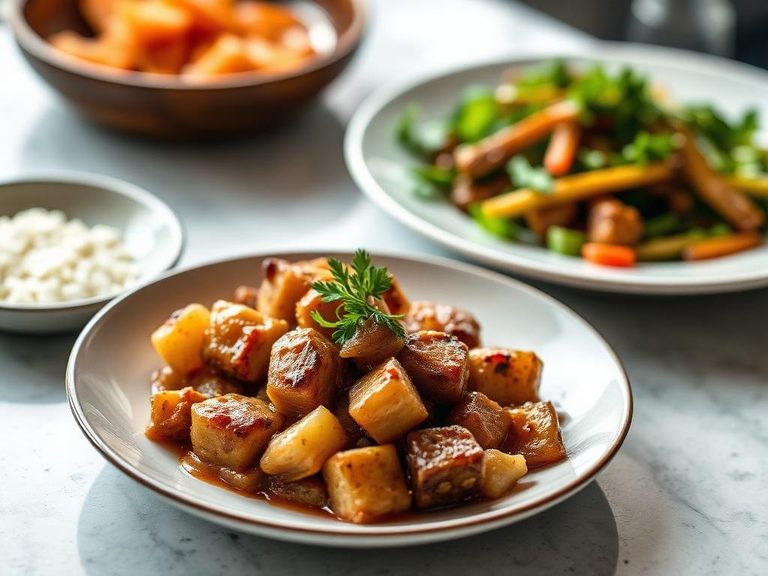
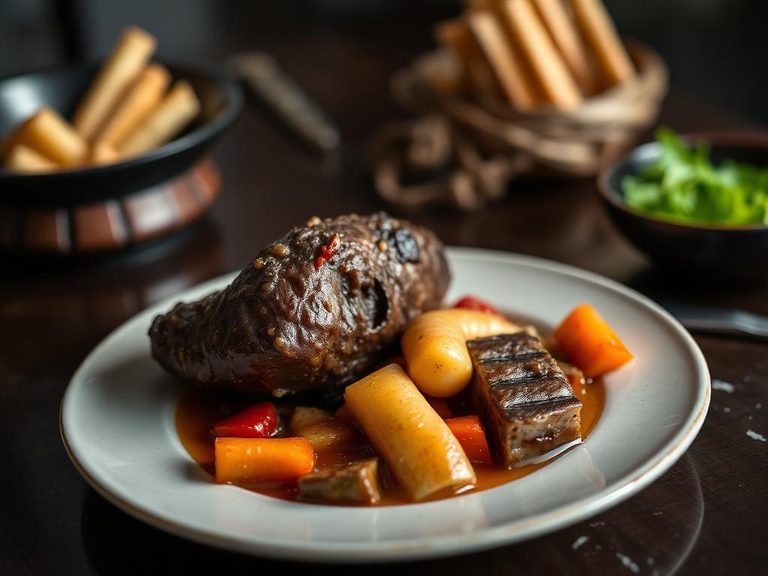
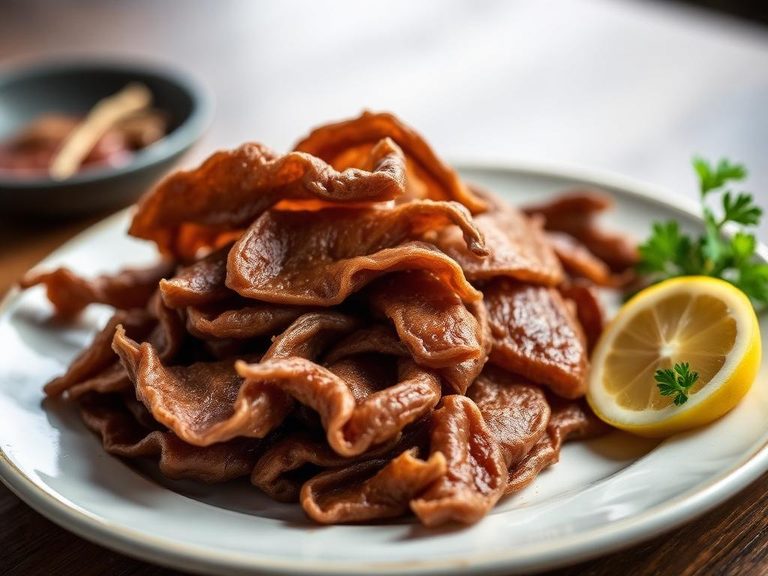
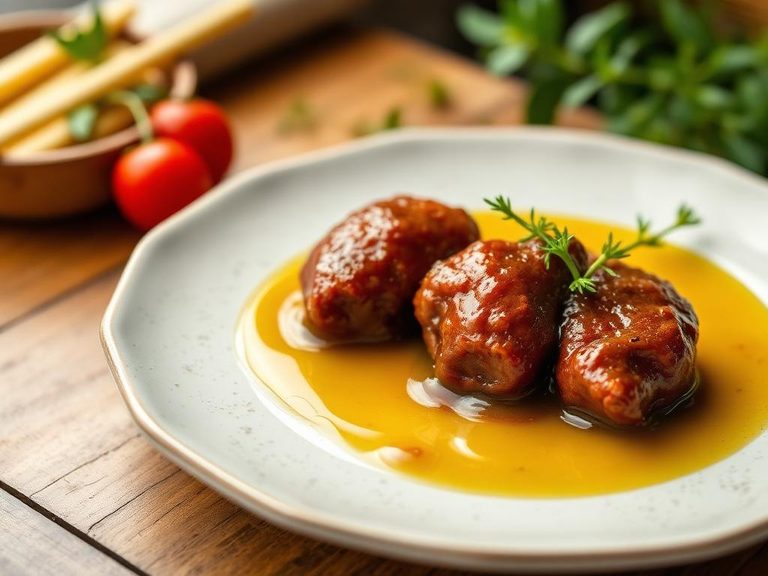
🍽️ Popular dishes
🌍 Where it's eaten
💡 Did you know?
The thick layer of subcutaneous fat, which can be several inches deep, was historically used as a fuel source for lamps (qulliq) to provide heat and light.
Full nutrition (USDA data · scales with serving)
| Water | 58.9 g |
| Energy | 282 kcal |
| Energy | 1180 kj |
| Protein | 16.3 g |
| Total lipid (fat) | 24.1 g |
| Ash | 0.70 g |
| Carbohydrate, by difference | 0.00 g |
| Iron, Fe | 9.4 mg |
| Phosphorus, P | 125 mg |
| Thiamin | 0.08 mg |
| Riboflavin | 0.32 mg |
| Vitamin A, IU | 550 iu |
FAQ
What does walrus meat taste like?
It has a strong, gamey, and iron-rich flavor, often described as similar to wild venison or horse meat, with a very dense and chewy texture.
Is it safe to eat raw?
In traditional preparations like muktuk, the skin and blubber are often consumed raw or fermented after careful cleaning. However, consuming raw meat always carries a risk of parasites or bacteria, so this is typically done following traditional knowledge and preparation methods.
Why is it so high in calories?
The high calorie count comes almost entirely from its substantial fat content (24.1g per 100g), which is a critical adaptation for survival in the cold Arctic, providing long-lasting energy and insulation.
Weight-loss friendliness (composite index)
Energy density 2.82 kcal/g · 23% calories from protein · 0.0 g fiber · 0.0 g sugar per 100 g.
Composite of energy density (Rolls et al., 1999), protein & fiber satiety, minus sugar. A calculated heuristic — ranks satiety-per-calorie, not a clinical measure.