

Sourdock, young leaves (Alaska Native)
Whole food · American Indian/Alaska Native Foods

Photo: Wikipedia
Sourdock, the young leaves of the wild Rumex plant, is a traditional Alaska Native green with a distinctively tart, lemony flavor and a tender, slightly crisp texture. Nutritionally, it's a low-calorie source of plant-based protein and carbohydrates, offering a fresh, foraged taste of the tundra. Its vibrant green color and sharp taste make it a unique addition to wild food cuisine.
Calorie split: 22% protein · 63% carbs · 15% fat
↓ Full nutrition💚 Why it's loved
People love sourdock for its bright, lemony zing that can enliven simple dishes without added citrus. It's cherished in Alaska Native cultures as a connection to the land and a seasonal delicacy, often foraged in spring.
⚠️ Watch-outs & how to enjoy it better
The leaves contain oxalic acid, which can contribute to kidney stones in susceptible individuals and may interfere with mineral absorption. To mitigate this, cook the leaves (boiling or sautéing reduces oxalates) and avoid eating them in very large quantities. Pairing with calcium-rich foods can also help bind oxalates.
Key benefits
- Low-calorie, nutrient-dense wild green
- Good source of plant-based protein
- Provides carbohydrates for energy
- Rich in vitamin C (common for dock species)
- Traditional food source with cultural significance
🍽️ Popular dishes
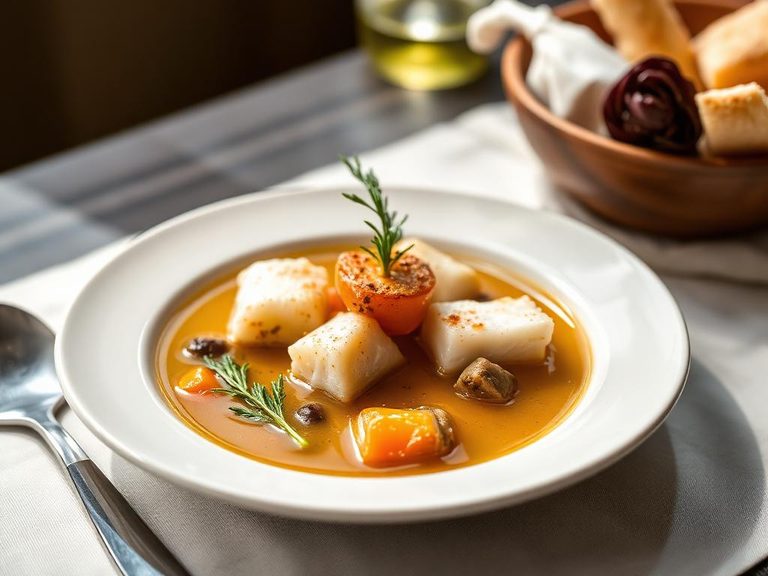
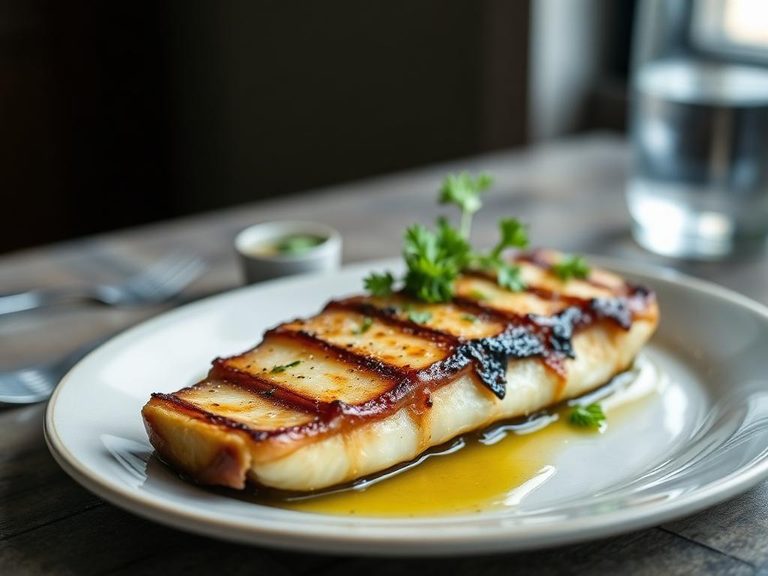
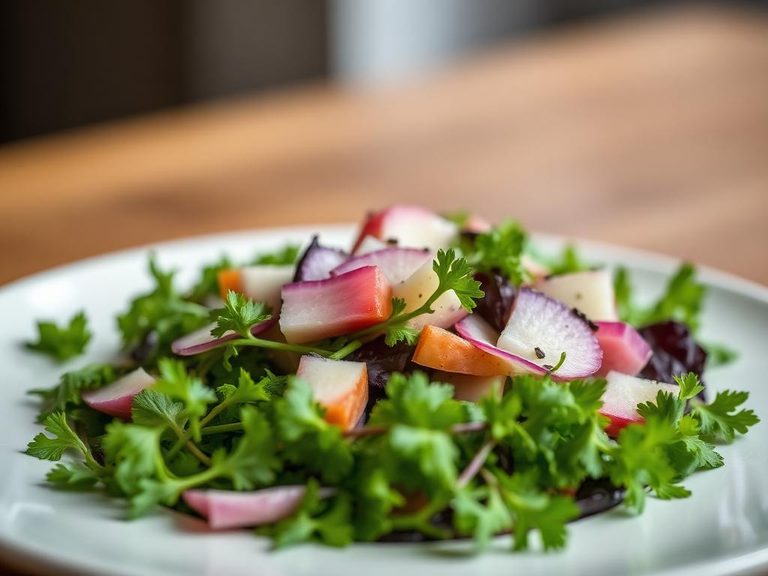

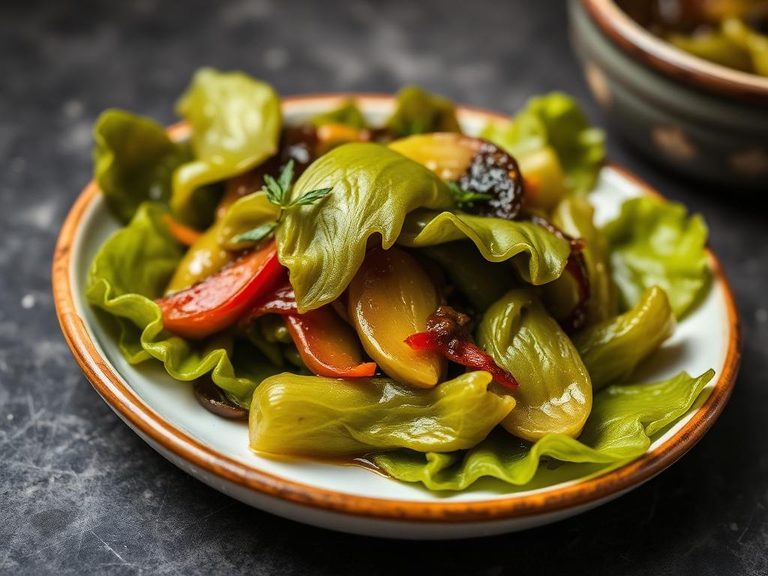
🌍 Where it's eaten
💡 Did you know?
The name 'sourdock' comes from the sour taste of the leaves, which was traditionally used by Alaska Natives as a remedy for scurvy due to its high vitamin C content.
Full nutrition (USDA data · scales with serving)
| Water | 89.7 g |
| Energy | 42.0 kcal |
| Energy | 174 kj |
| Protein | 2.3 g |
| Total lipid (fat) | 0.70 g |
| Ash | 0.80 g |
| Carbohydrate, by difference | 6.5 g |
| Calcium, Ca | 2.0 mg |
| Iron, Fe | 0.80 mg |
| Phosphorus, P | 55.0 mg |
| Vitamin C, total ascorbic acid | 68.0 mg |
| Thiamin | 0.09 mg |
| Riboflavin | 0.54 mg |
| Niacin | 1.1 mg |
| Vitamin A, IU | 11900 iu |
FAQ
What does sourdock taste like?
It has a distinctively tart, lemony flavor, similar to sorrel, with a tender, slightly crisp texture when young.
Is sourdock safe to eat raw?
Yes, young leaves can be eaten raw in small amounts, but cooking is recommended to reduce oxalic acid content, especially for regular consumption.
How is sourdock traditionally prepared?
It is often boiled, sautéed, or added to soups and stews. In Alaska Native cuisine, it's frequently paired with fish or seal oil.
Weight-loss friendliness (composite index)
Energy density 0.42 kcal/g · 22% calories from protein · 0.0 g fiber · 0.0 g sugar per 100 g.
Composite of energy density (Rolls et al., 1999), protein & fiber satiety, minus sugar. A calculated heuristic — ranks satiety-per-calorie, not a clinical measure.