

Huckleberries, raw (Alaska Native)
Whole food · American Indian/Alaska Native Foods

Photo: Wikipedia
Huckleberries are small, wild berries native to Alaska and the Pacific Northwest, prized for their intense, tart-sweet flavor reminiscent of a complex mix between blueberries and raspberries. Their texture is delicate, with a thin skin and juicy interior that bursts with flavor. Nutritionally, they are a low-calorie, carbohydrate-focused fruit, providing a quick source of natural energy.
Calorie split: 4% protein · 93% carbs · 2% fat
↓ Full nutrition💚 Why it's loved
People love huckleberries for their uniquely complex, wild flavor that is far more intense than cultivated berries, making them a prized seasonal treat. Their versatility in both sweet and savory dishes, and their deep cultural significance in Indigenous Alaskan cuisine, make them a cherished ingredient.
⚠️ Watch-outs & how to enjoy it better
Due to their carbohydrate content (8.7g per 100g) and lack of fiber, consuming large quantities could lead to a quicker rise in blood sugar compared to higher-fiber fruits. To counteract this, pair them with a source of protein or healthy fat, like nuts or yogurt, and practice portion control.
Key benefits
- Low in calories and fat
- Source of natural carbohydrates for energy
- Contains antioxidants like anthocyanins
- Traditional food for Alaska Native communities
- Provides vitamin C and manganese
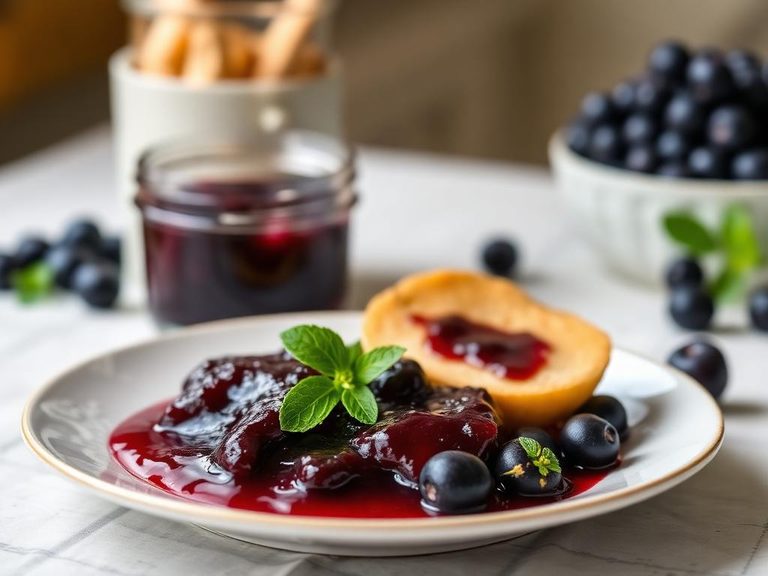
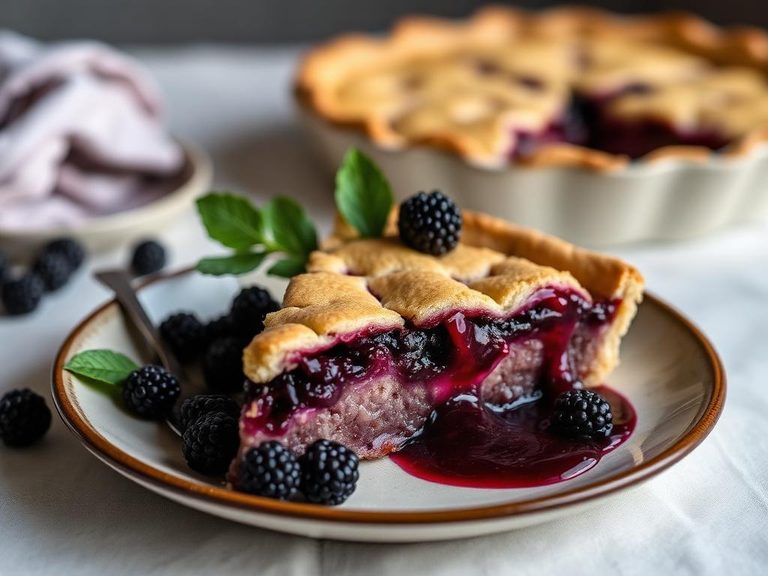
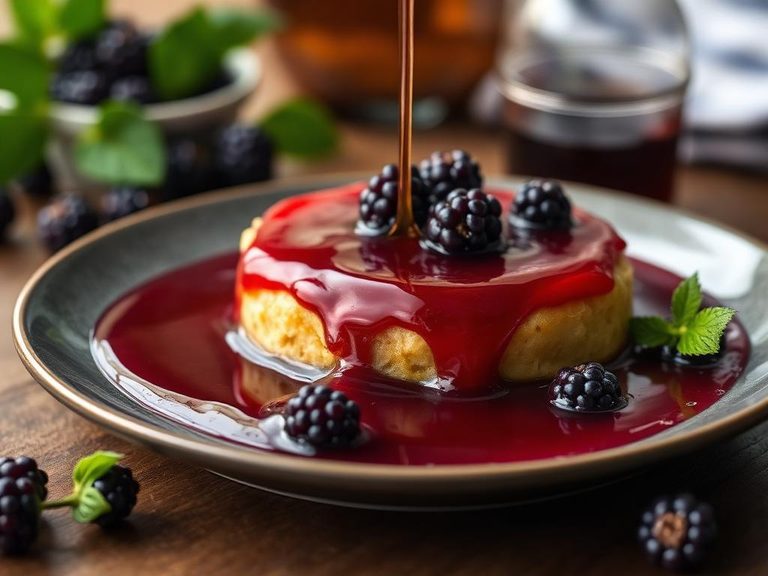
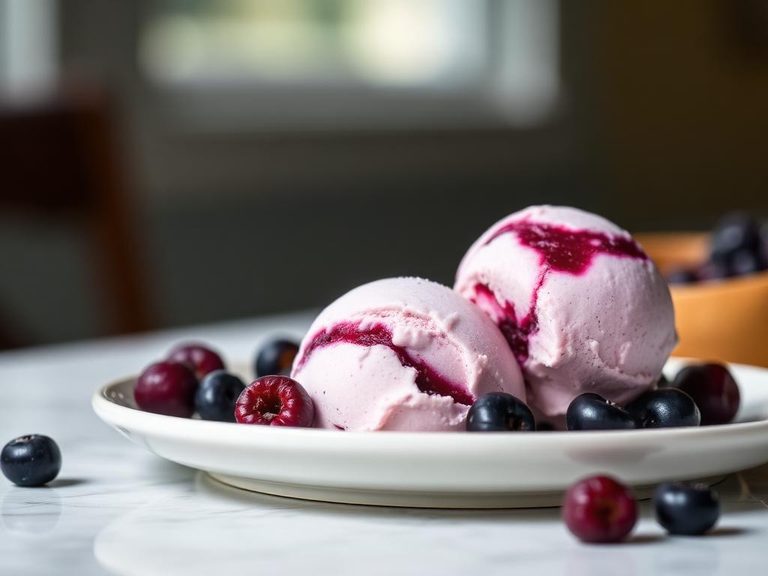
🍽️ Popular dishes
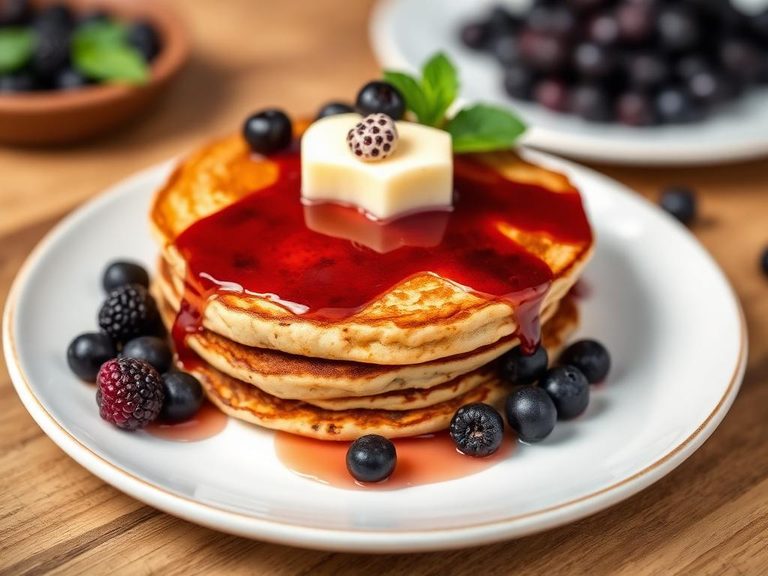
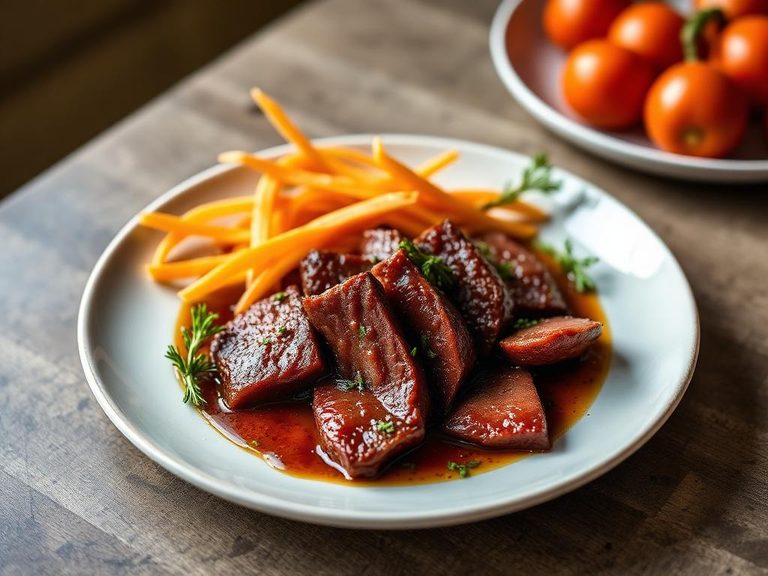
🌍 Where it's eaten
💡 Did you know?
Huckleberries are notoriously difficult to cultivate commercially; nearly all huckleberries sold are hand-picked from the wild, which contributes to their high cost and seasonal scarcity.
Full nutrition (USDA data · scales with serving)
| Water | 90.7 g |
| Energy | 37.0 kcal |
| Energy | 156 kj |
| Protein | 0.40 g |
| Total lipid (fat) | 0.10 g |
| Ash | 0.10 g |
| Carbohydrate, by difference | 8.7 g |
| Calcium, Ca | 15.0 mg |
| Iron, Fe | 0.30 mg |
| Sodium, Na | 10.0 mg |
| Vitamin C, total ascorbic acid | 2.8 mg |
| Thiamin | 0.01 mg |
| Riboflavin | 0.03 mg |
| Niacin | 0.30 mg |
| Vitamin A, IU | 79.0 iu |
FAQ
What's the difference between a huckleberry and a blueberry?
Huckleberries are wild berries with a more intense, tart flavor and often have larger, harder seeds than cultivated blueberries. They belong to different genera (Vaccinium for blueberries, Gaylussacia for most huckleberries).
Are huckleberries safe to eat raw?
Yes, wild huckleberries are safe and delicious when eaten raw. Always ensure they are properly identified and sourced from a clean, unpolluted area.
Why are huckleberries so expensive?
Their high cost is due to the fact that they are almost exclusively wild-harvested by hand from remote areas, making the supply limited and labor-intensive to gather.
Weight-loss friendliness (composite index)
Energy density 0.37 kcal/g · 4% calories from protein · 0.0 g fiber · 0.0 g sugar per 100 g.
Composite of energy density (Rolls et al., 1999), protein & fiber satiety, minus sugar. A calculated heuristic — ranks satiety-per-calorie, not a clinical measure.