

Mouse nuts, roots (Alaska Native)
Whole food · American Indian/Alaska Native Foods

Photo: Wikipedia
Mouse nuts, or the roots of the small, hardy tundra plant known as 'mouse root' (Lewisia rediviva), are a traditional Alaskan Native food with a crisp, starchy texture similar to a water chestnut or jicama. They are mildly sweet and earthy when raw, developing a richer, nuttier flavor when roasted or dried. Nutritionally, they are a notable source of carbohydrates for energy, providing a modest 81 kcal per 100g with very little fat.
Calorie split: 19% protein · 80% carbs · 1% fat
↓ Full nutrition💚 Why it's loved
People love mouse nuts for their unique, mild sweetness and satisfying crunch, which makes them a versatile ingredient both raw and cooked. They are cherished as a connection to ancestral foraging traditions and the resilient flavors of the Arctic landscape.
⚠️ Watch-outs & how to enjoy it better
As a high-carbohydrate, low-fiber and low-protein food, consuming them alone could lead to a rapid blood-sugar spike. To counteract this, pair them with a source of protein or healthy fat, like dried fish or seal oil, to slow digestion and create a more balanced meal.
Key benefits
- Traditional source of quick energy for subsistence lifestyles
- Provides essential carbohydrates in a low-fat package
- Culturally significant food for Alaskan Native communities
- Can be stored for long periods when dried properly
- Offers a wild, foraged alternative to cultivated root vegetables
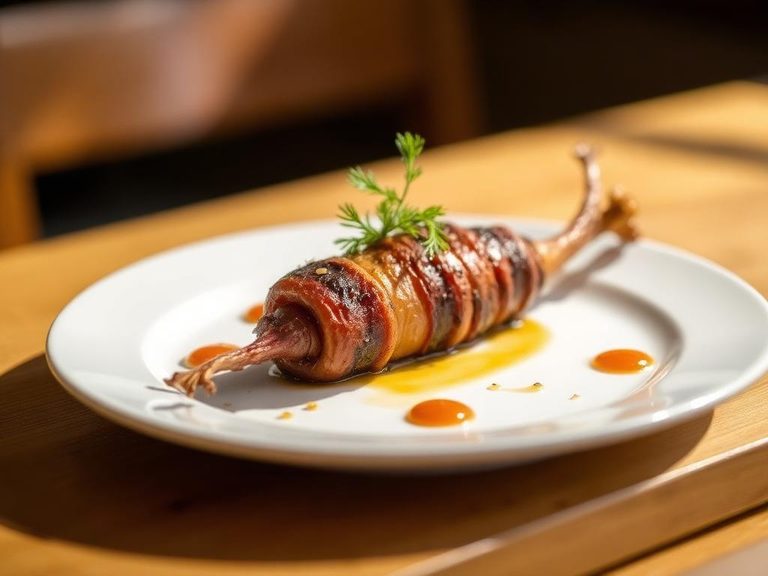
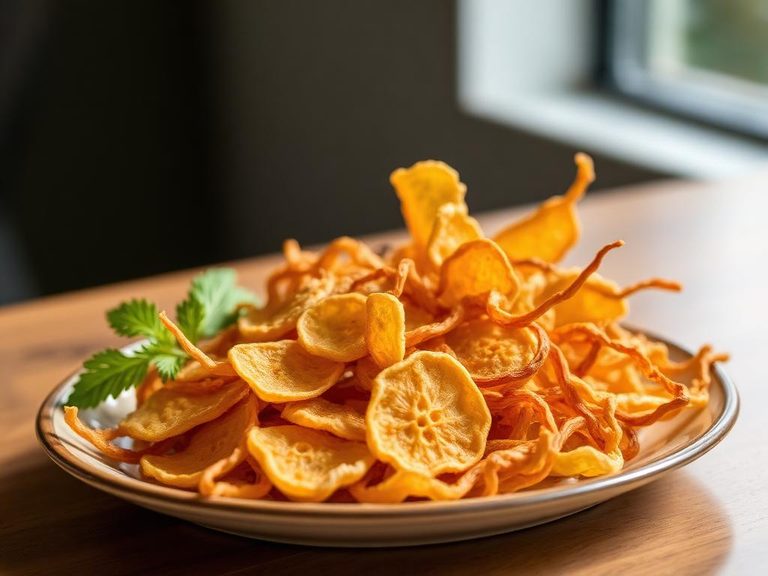
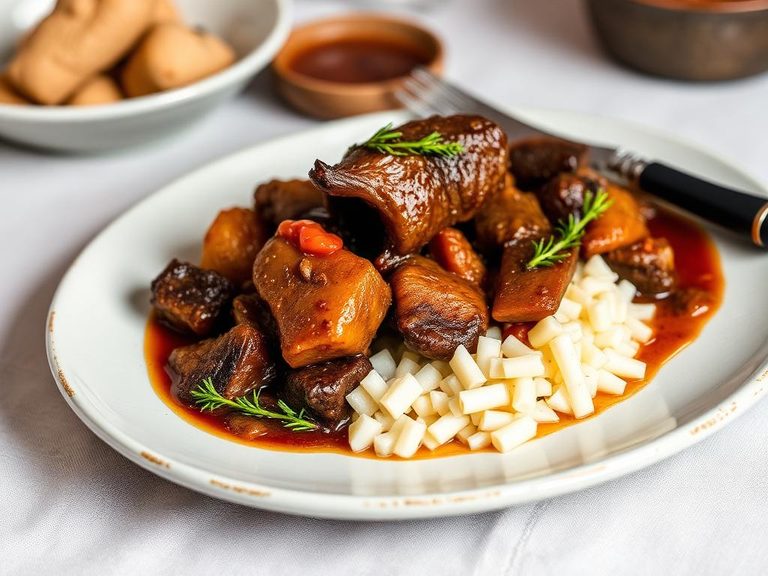
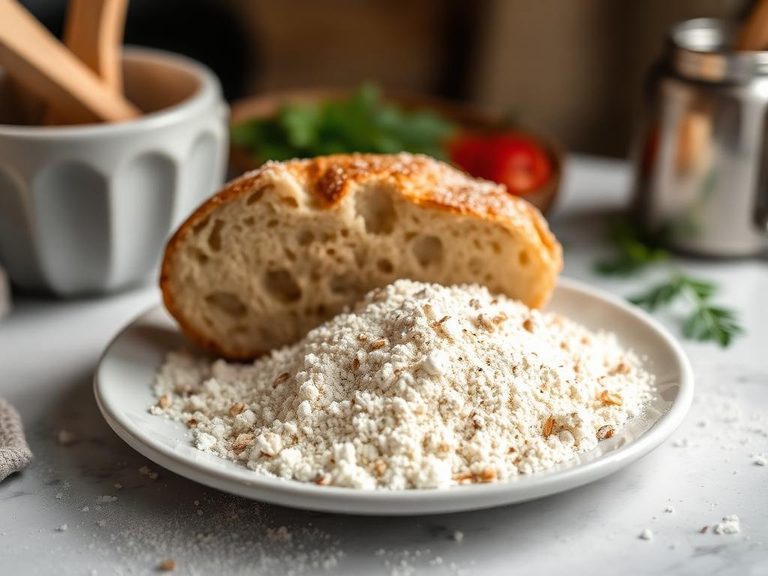
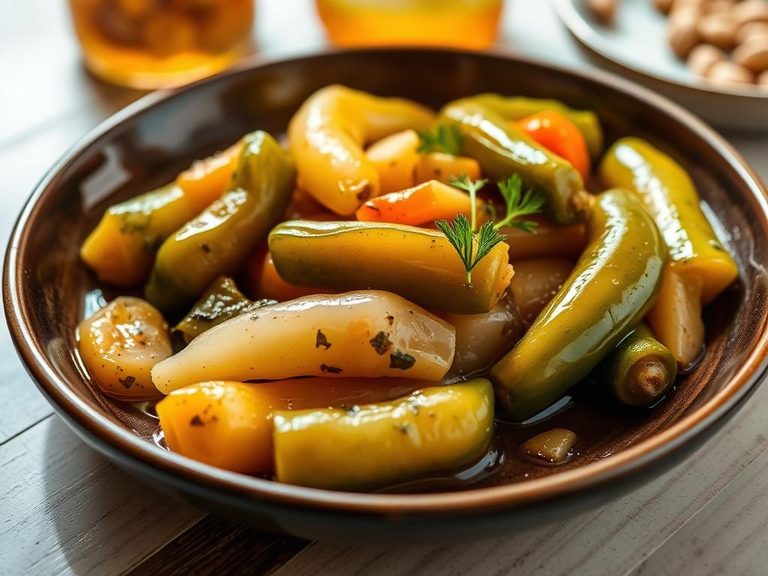
🍽️ Popular dishes
🌍 Where it's eaten
💡 Did you know?
The plant's scientific name, *Lewisia rediviva*, includes 'rediviva' meaning 'brought back to life,' as it can survive extreme desiccation and revive when watered.
Full nutrition (USDA data · scales with serving)
| Water | 77.2 g |
| Energy | 81.0 kcal |
| Energy | 338 kj |
| Protein | 3.9 g |
| Total lipid (fat) | 0.10 g |
| Ash | 2.7 g |
| Carbohydrate, by difference | 16.1 g |
| Calcium, Ca | 22.0 mg |
| Phosphorus, P | 175 mg |
| Vitamin C, total ascorbic acid | 16.0 mg |
| Thiamin | 0.01 mg |
| Riboflavin | 0.04 mg |
| Niacin | 0.10 mg |
FAQ
What do mouse nuts taste like?
They have a mild, earthy sweetness reminiscent of a cross between a jicama and a water chestnut, with a crisp, starchy texture.
How are they traditionally prepared?
They are often roasted in hot coals, dried for long-term storage, or stewed with meats and fats.
Are they the same as water chestnuts?
No, they are botanically distinct. Mouse nuts are the root of a desert plant, while water chestnuts are aquatic tubers.
Weight-loss friendliness (composite index)
Energy density 0.81 kcal/g · 19% calories from protein · 0.0 g fiber · 0.0 g sugar per 100 g.
Composite of energy density (Rolls et al., 1999), protein & fiber satiety, minus sugar. A calculated heuristic — ranks satiety-per-calorie, not a clinical measure.