Pickled for preservation
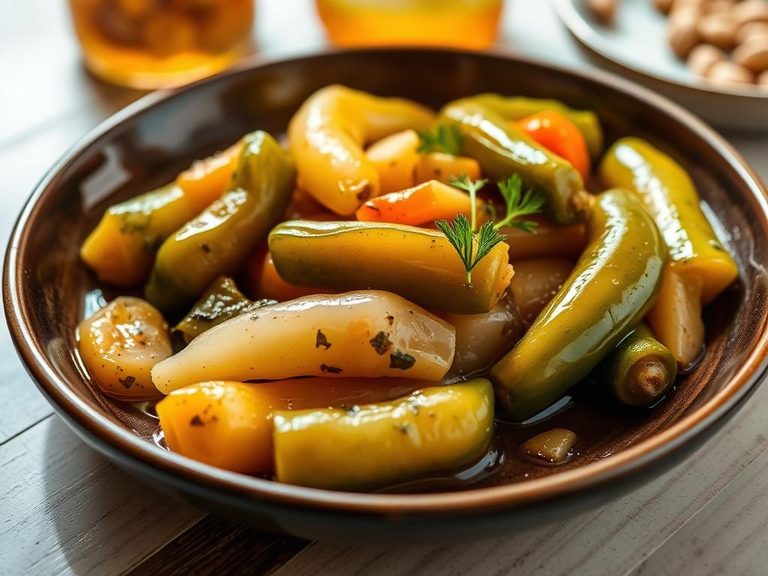
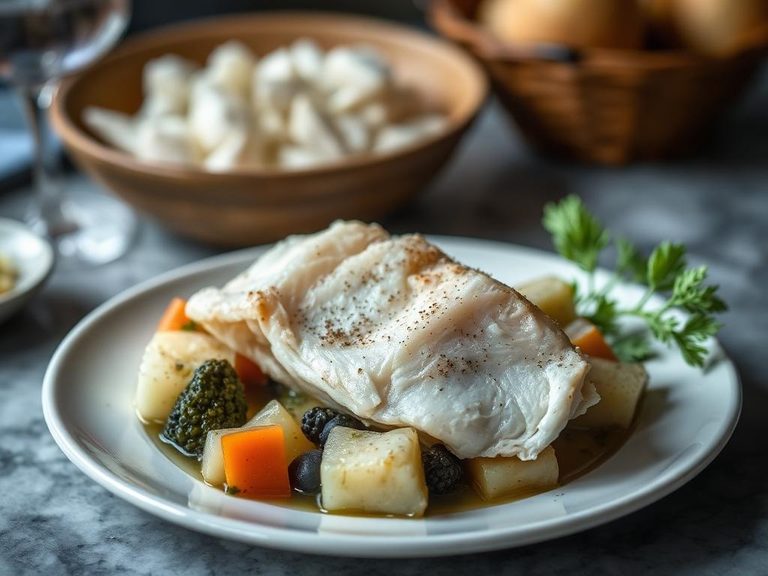
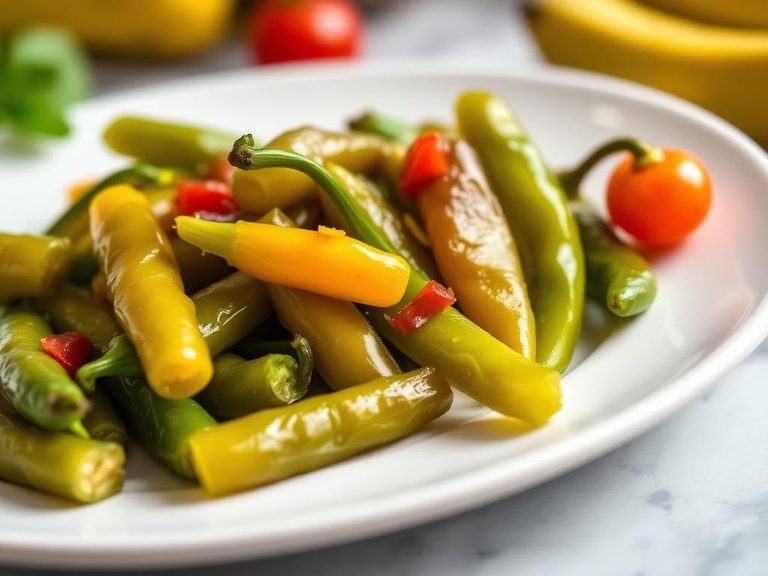
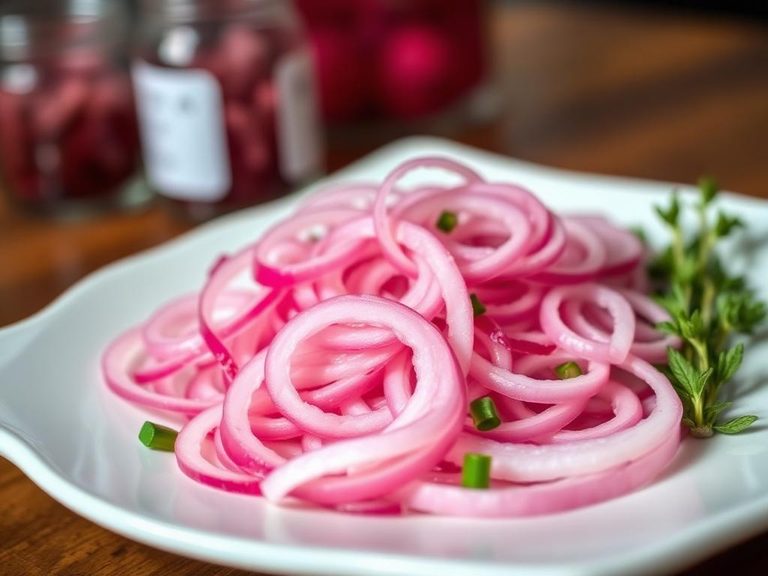
Pickled for preservation is a traditional method of preserving vegetables, fruits, or other foods by submerging them in a brine (saltwater solution) or vinegar, often with added spices. This technique, used globally from European sauerkraut to Asian kimchi, transforms fresh produce into tangy, shelf-stable staples with a distinctive sour flavor.
🍽️ Nutrition at a glance
Pickled foods are generally low in calories, fat, and protein, but can be high in sodium due to the brine. They are a good source of probiotics (if fermented), vitamin K (from leafy greens like cabbage), and antioxidants, with a typical serving containing around 20-30 calories.
Nutrition breakdown
| Calories | 25 kcal |
| Protein | 1.5 g |
| Carbs | 5 g |
| Fat | 0.2 g |
| Fiber | 2 g |
| Sugar | 2 g |
| Sodium | 1200 mg |
| Vitamin K | 45 mcg |
| Vitamin C | 15 mg |
| Potassium | 200 mg |
| Iron | 1 mg |
| Calcium | 50 mg |
| Probiotics | Live cultures (if fermented) |
| Sodium | 1200 mg |
| Manganese | 0.2 mg |
Per 1 cup (160 g) · estimated, varies by recipe
💡 What's interesting
Fermented pickles, like traditional kimchi or sauerkraut, are living foods rich in beneficial probiotics that support gut health, a nutritional benefit that sets them apart from vinegar-only quick pickles. Culturally, pickling is a universal human practice born from the need to preserve harvests, leading to iconic dishes that define regional cuisines.