

Walrus, liver, raw (Alaska Native)
Whole food · American Indian/Alaska Native Foods

Photo: Wikipedia
Walrus liver is a dense, iron-rich organ meat prized in Arctic subsistence diets. It has a deep, gamey flavor with a smooth, slightly mineral taste and a firm, creamy texture when raw. Nutritionally, it is a powerhouse of protein and essential vitamins, particularly vitamin C and B12, which are critical in environments with limited plant foods.
Calorie split: 67% protein · 11% carbs · 22% fat
↓ Full nutrition💚 Why it's loved
It is deeply valued in Iñupiat, Yup'ik, and other Alaska Native cultures as a vital traditional food, often shared during feasts and ceremonies. Its unique, nutrient-dense profile is considered essential for health and cultural identity.
⚠️ Watch-outs & how to enjoy it better
The strong, iron-rich, and distinctly gamey flavor is an acquired taste and can be overwhelming to those unfamiliar with organ meats. It may also contain high levels of vitamin A, so excessive consumption should be avoided. To mitigate the intense flavor, it is often prepared with strong seasonings, frozen, or served in small, traditional portions.
Key benefits
- Exceptionally high in vitamin C, rare for animal foods
- Dense source of complete protein and B12
- Rich in iron and other essential minerals
- Provides long-chain omega-3 fatty acids
- Traditional source of vital nutrients in Arctic climates
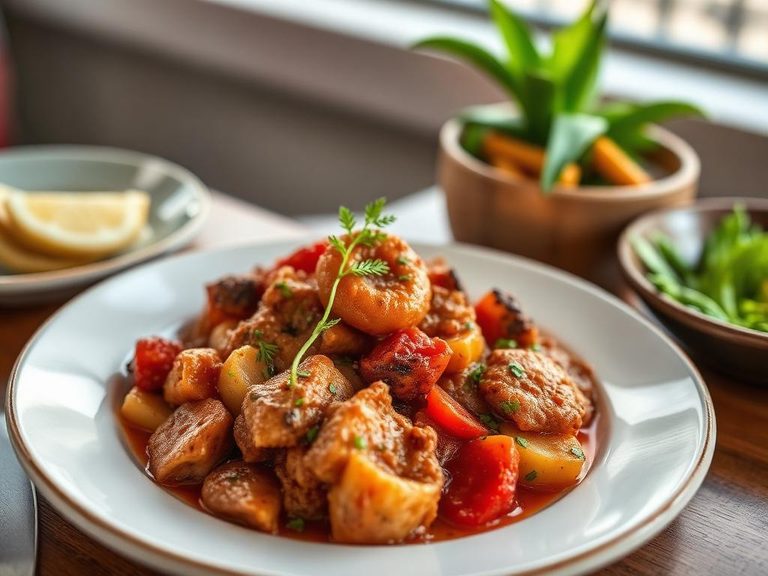
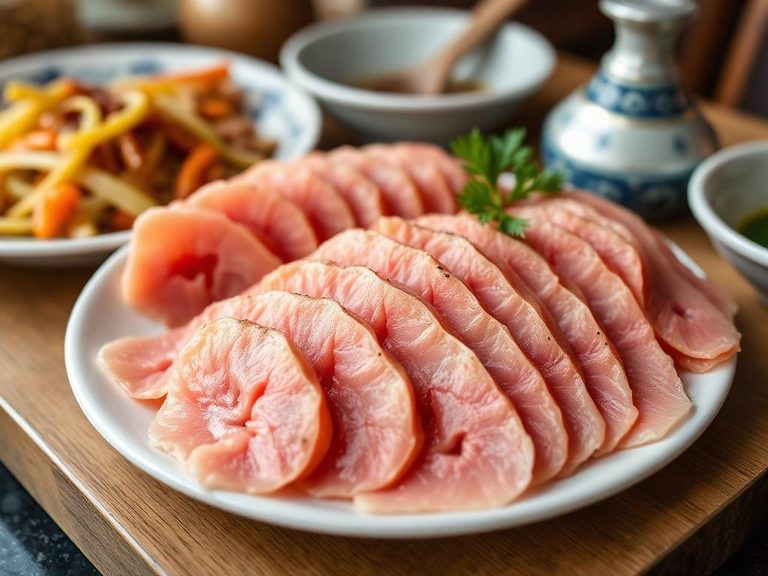
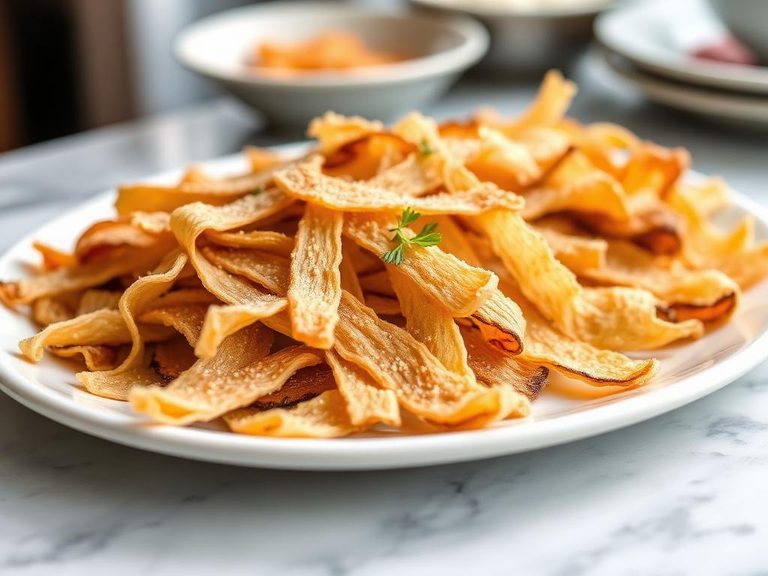
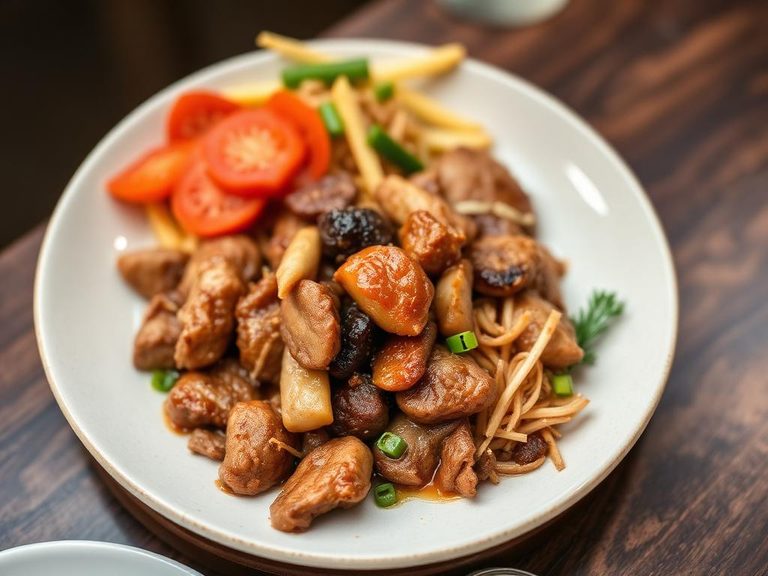
🍽️ Popular dishes
🌍 Where it's eaten
💡 Did you know?
Walrus liver is one of the few non-plant food sources that contains significant amounts of vitamin C, which was historically crucial for preventing scurvy in Arctic regions.
Full nutrition (USDA data · scales with serving)
| Water | 71.5 g |
| Energy | 125 kcal |
| Energy | 523 kj |
| Protein | 21.0 g |
| Total lipid (fat) | 3.0 g |
| Ash | 1.0 g |
| Carbohydrate, by difference | 3.5 g |
| Iron, Fe | 14.4 mg |
| Phosphorus, P | 208 mg |
| Thiamin | 0.08 mg |
| Riboflavin | 1.9 mg |
| Vitamin A, IU | 81200 iu |
FAQ
Is it safe to eat raw?
In traditional contexts, it is consumed raw or frozen. As with any raw meat, there is a risk of parasites or bacteria; sourcing from trusted, traditional harvesters is key.
What does it taste like?
It has a very strong, metallic, and gamey flavor, often described as more intense than beef or moose liver, with a smooth, dense texture.
Why is it so high in Vitamin C?
Walruses obtain their vitamin C from consuming marine organisms like mollusks and crustaceans, concentrating it in their liver.
Weight-loss friendliness (composite index)
Energy density 1.25 kcal/g · 67% calories from protein · 0.0 g fiber · 0.0 g sugar per 100 g.
Composite of energy density (Rolls et al., 1999), protein & fiber satiety, minus sugar. A calculated heuristic — ranks satiety-per-calorie, not a clinical measure.