

SILK Strawberry soy yogurt
Whole food · Legumes and Legume Products

Photo: Wikipedia
A smooth, plant-based yogurt made from soybeans, swirled with a sweet strawberry puree. It has a creamy, slightly tangy base with a bright berry finish, offering a light yet satisfying texture. Nutritionally, it's a low-calorie, low-fat source of plant protein and carbohydrates.
Calorie split: 10% protein · 78% carbs · 11% fat
↓ Full nutrition💚 Why it's loved
People love it for its creamy, non-dairy texture that closely mimics traditional yogurt, combined with the familiar, sweet-tart appeal of strawberry. It's a versatile staple for quick breakfasts, smoothies, or a healthy dessert.
⚠️ Watch-outs & how to enjoy it better
The 12.94g of added sugar per 100g can contribute to blood sugar spikes if consumed in large quantities. To counteract this, pair it with a source of healthy fat or protein (like nuts or seeds) to slow sugar absorption and practice portion control.
Key benefits
- Good source of plant-based protein
- Low in fat and calories
- Contains no cholesterol
- Provides some dietary fiber
- Fortified with calcium and vitamins
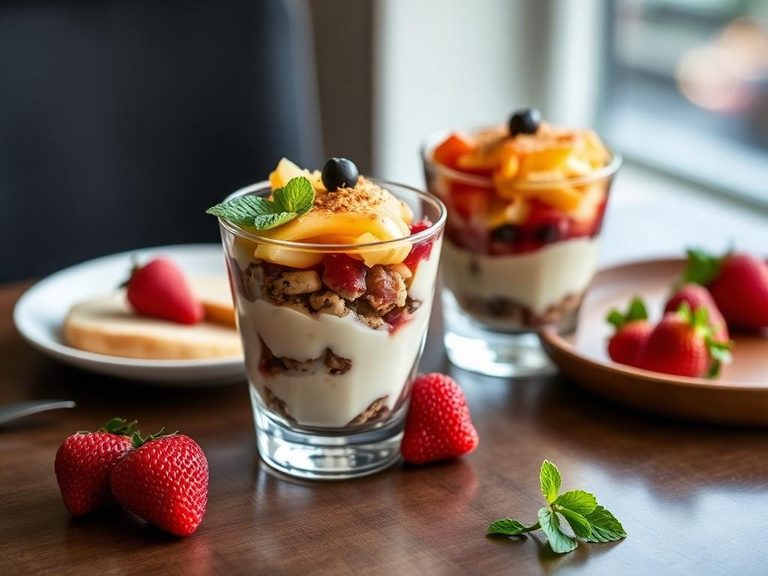
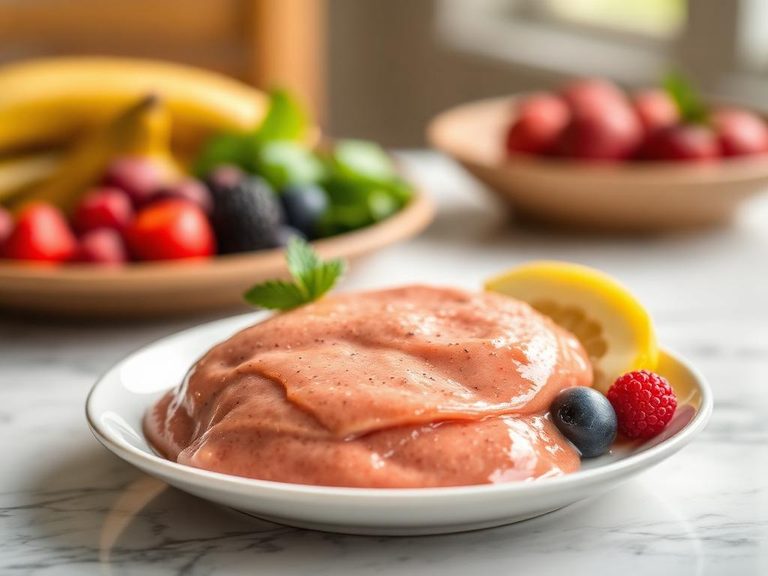
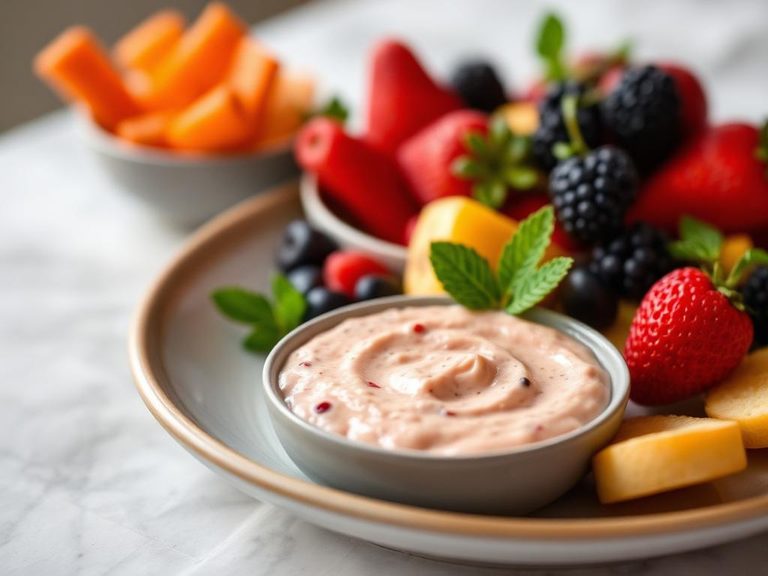
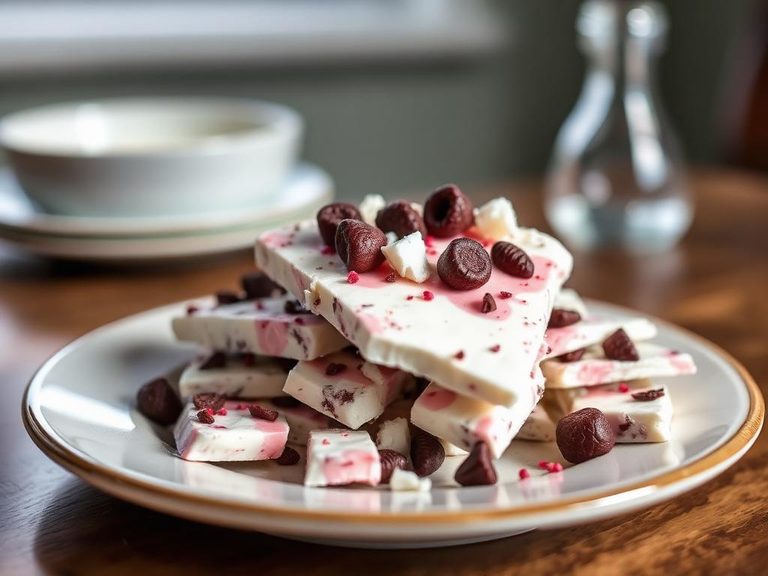
🍽️ Popular dishes
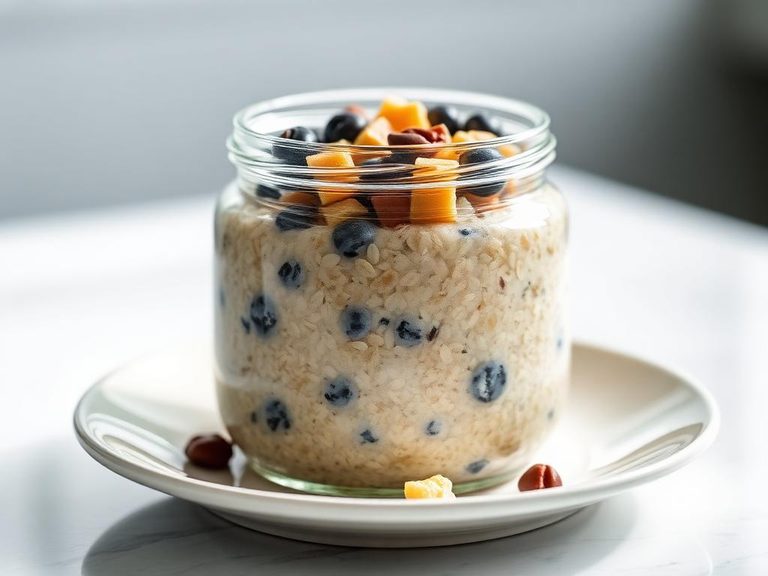
🌍 Where it's eaten
💡 Did you know?
Soy yogurt fermentation can naturally produce small amounts of Vitamin K2, a nutrient important for bone and heart health that is rare in many other foods.
Full nutrition (USDA data · scales with serving)
| Water | 77.0 g |
| Energy | 94.0 kcal |
| Energy | 393 kj |
| Protein | 2.4 g |
| Total lipid (fat) | 1.2 g |
| Ash | 1.2 g |
| Carbohydrate, by difference | 18.2 g |
| Fiber, total dietary | 0.60 g |
| Total Sugars | 12.9 g |
| Calcium, Ca | 176 mg |
| Iron, Fe | 0.64 mg |
| Sodium, Na | 15.0 mg |
| Vitamin C, total ascorbic acid | 17.6 mg |
| Vitamin A, IU | 0.00 iu |
Fat & fatty acid profile (per 100g)
| Fatty acids, total saturated | 0.00 g |
| Fatty acids, total trans | 0.00 g |
| Cholesterol | 0.00 mg |
FAQ
Is this suitable for a vegan diet?
Yes, as it's made from soy milk and contains no dairy or animal-derived ingredients.
How does it compare to dairy yogurt nutritionally?
It's typically lower in fat and calories but can be similar in protein. The sugar content varies by brand, so always check the label.
Can I use it in cooking or baking?
Absolutely. It works well as a substitute for sour cream or buttermilk in recipes like muffins, dressings, or marinades, adding moisture and a slight tang.
Nutrient density (calculated · NRF9.3)
Nutrient Rich Foods index: beneficial nutrients (protein, fiber, vitamins, minerals) minus saturated fat, added sugar & sodium, per 100 kcal.
NRF9.3 index — Fulgoni, Keast & Drewnowski, 2009. Computed from USDA nutrients.
Weight-loss friendliness (composite index)
Energy density 0.94 kcal/g · 10% calories from protein · 0.6 g fiber · 12.9 g sugar per 100 g.
Composite of energy density (Rolls et al., 1999), protein & fiber satiety, minus sugar. A calculated heuristic — ranks satiety-per-calorie, not a clinical measure.