

Sea cucumber, yane (Alaska Native)
Whole food · American Indian/Alaska Native Foods

Photo: Wikipedia
Yane is the Alaska Native name for sea cucumber, a marine invertebrate prized for its unique, crunchy yet gelatinous texture. Its flavor is mild and oceanic, often described as a cross between a scallop and a jellyfish, with a subtle brininess that absorbs surrounding sauces. Nutritionally, it is a lean, high-protein powerhouse, offering 13 grams of protein per 100g with virtually no fat or carbohydrates.
Calorie split: 94% protein · 0% carbs · 6% fat
↓ Full nutrition💚 Why it's loved
People love it for its distinctive, satisfying texture that adds a luxurious mouthfeel to soups and stir-fries. In many cultures, it is a symbol of celebration and prosperity, often served at banquets and special occasions.
⚠️ Watch-outs & how to enjoy it better
Some find its texture off-putting or gelatinous, and it can have a strong oceanic flavor if not prepared properly. Those with shellfish allergies should exercise caution, and it is often high in sodium due to traditional preservation methods. To counteract this, soak it thoroughly in fresh water before cooking, and pair it with fresh vegetables and low-sodium broths to balance the flavor.
Key benefits
- Excellent source of lean protein for muscle maintenance
- Very low in fat and carbohydrates
- Contains collagen and glycosaminoglycans for joint and skin health
- Rich in minerals like calcium and magnesium
- Low-calorie food suitable for weight management
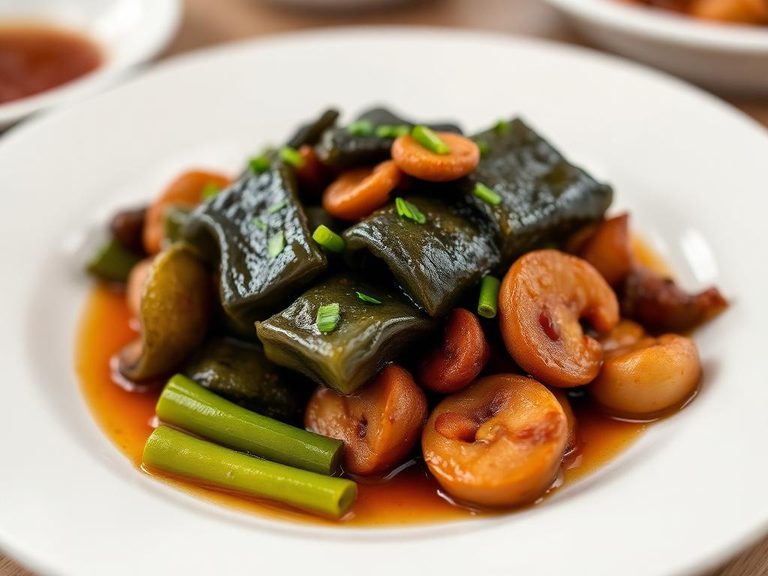
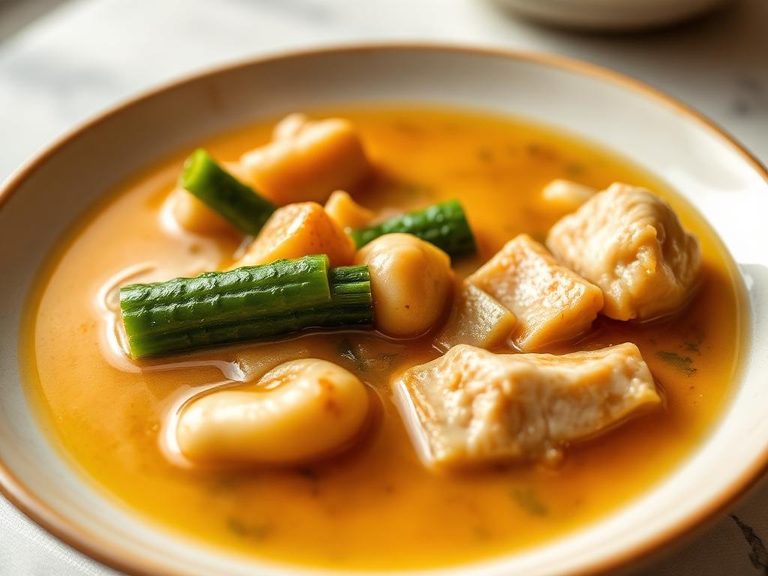
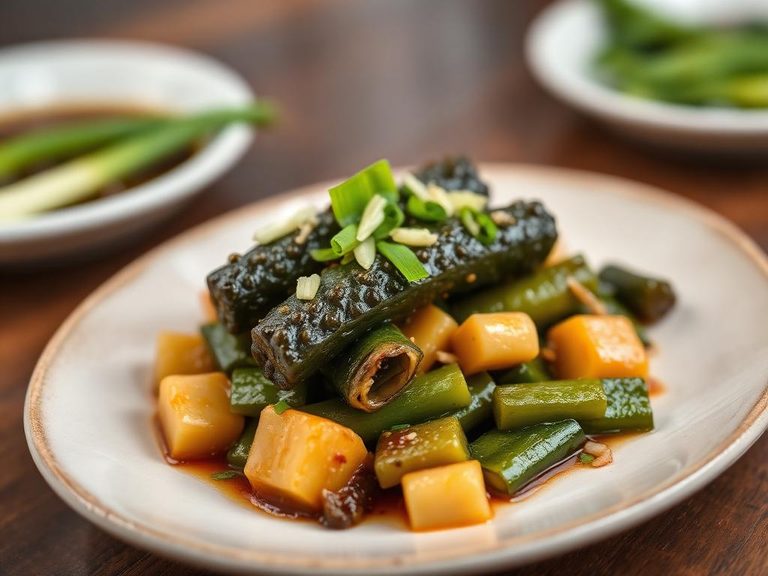
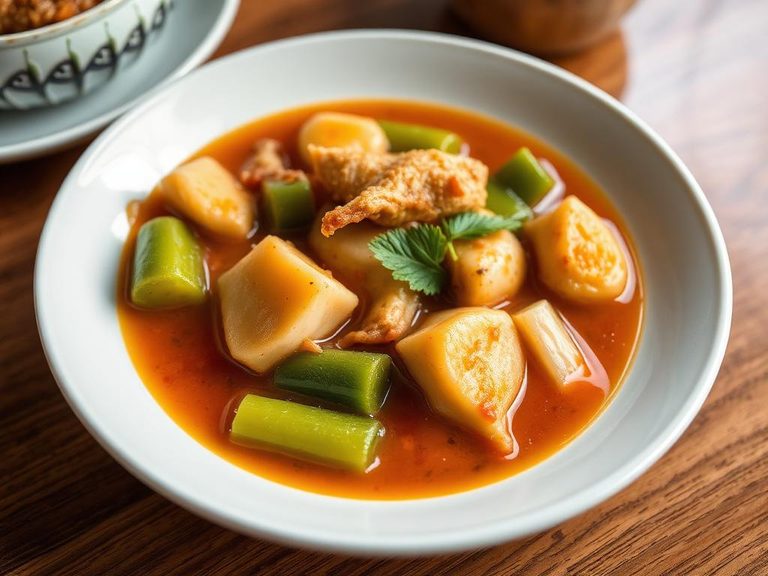
🍽️ Popular dishes
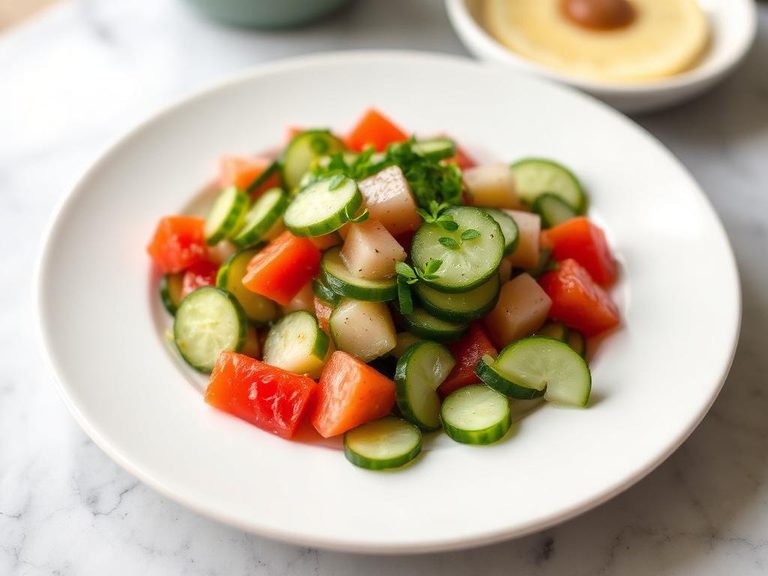
🌍 Where it's eaten
💡 Did you know?
Sea cucumbers can expel their internal organs as a defense mechanism and later regenerate them, a process known as evisceration.
Full nutrition (USDA data · scales with serving)
| Water | 80.7 g |
| Energy | 56.0 kcal |
| Energy | 233 kj |
| Protein | 13.0 g |
| Total lipid (fat) | 0.40 g |
| Ash | 2.8 g |
| Carbohydrate, by difference | 0.00 g |
| Calcium, Ca | 30.0 mg |
| Iron, Fe | 0.60 mg |
| Thiamin | 0.05 mg |
| Riboflavin | 0.94 mg |
| Niacin | 3.2 mg |
| Vitamin A, IU | 310 iu |
FAQ
What does sea cucumber taste like?
It has a mild, oceanic flavor with a subtle brininess, often compared to a mix between a scallop and a jellyfish. Its texture is crunchy yet gelatinous, and it readily absorbs the flavors of sauces and broths it is cooked in.
Is sea cucumber healthy?
Yes, it is very healthy, being high in protein (13g per 100g) and low in fat and carbs. It also contains beneficial compounds like collagen and glycosaminoglycans, which support joint and skin health.
How do I prepare dried sea cucumber?
Dried sea cucumber must be rehydrated by soaking in cold water for 24-48 hours, changing the water several times. Once softened, it can be simmered or braised in soups, stews, or stir-fries until tender.
Weight-loss friendliness (composite index)
Energy density 0.56 kcal/g · 93% calories from protein · 0.0 g fiber · 0.0 g sugar per 100 g.
Composite of energy density (Rolls et al., 1999), protein & fiber satiety, minus sugar. A calculated heuristic — ranks satiety-per-calorie, not a clinical measure.