

Oopah (tunicate), whole animal (Alaska Native)
Whole food · American Indian/Alaska Native Foods

Photo: Wikipedia
Oopah, or tunicate, is a marine invertebrate often called a sea squirt, harvested whole by Alaska Natives. Its flavor is briny and oceanic, with a firm, slightly chewy texture reminiscent of clam or squid. Nutritionally, it's a standout for being exceptionally high in protein while containing virtually no carbohydrates or sugar.
Calorie split: 70% protein · 0% carbs · 30% fat
↓ Full nutrition💚 Why it's loved
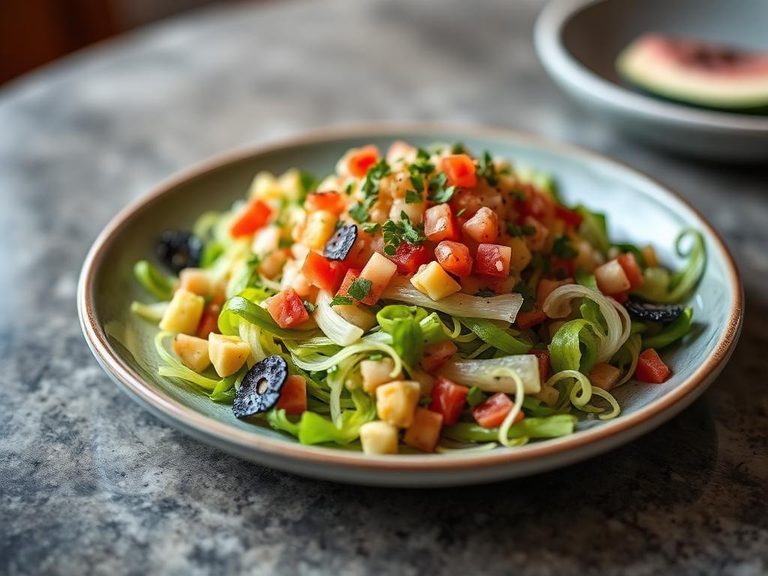
People cherish oopah for its clean, intense taste of the sea and its firm, satisfying bite that holds up well in stews and salads. It's also deeply valued as a connection to ancestral subsistence practices and coastal identity.
⚠️ Watch-outs & how to enjoy it better
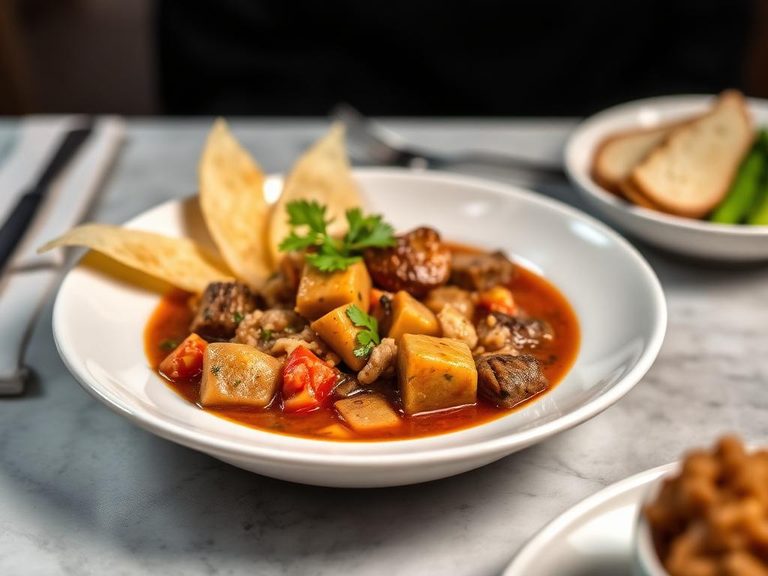
The strong briny flavor and unique, sometimes rubbery texture can be an acquired taste for those unfamiliar with it. To counteract any potential chewiness, it's best prepared by tenderizing (pounding) and quick-cooking, or by simmering slowly in broths and stews.
Key benefits
- Excellent source of lean, complete protein
- Very low in calories and fat
- Contains zero carbohydrates or sugar
- Rich in minerals like zinc and iron
- A traditional, sustainable coastal food source
🍽️ Popular dishes
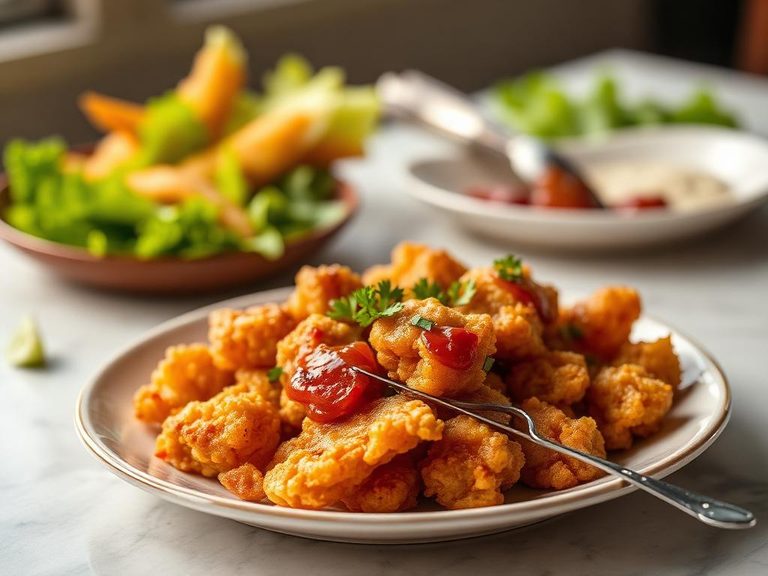
🌍 Where it's eaten
💡 Did you know?
Despite being called a 'sea squirt,' the tunicate is actually a chordate, making it a distant invertebrate relative of vertebrates like humans.
Full nutrition (USDA data · scales with serving)
| Water | 80.2 g |
| Energy | 67.0 kcal |
| Energy | 279 kj |
| Protein | 11.7 g |
| Total lipid (fat) | 2.2 g |
| Ash | 2.8 g |
| Carbohydrate, by difference | 0.00 g |
| Calcium, Ca | 53.0 mg |
| Iron, Fe | 20.7 mg |
| Phosphorus, P | 103 mg |
| Riboflavin | 0.10 mg |
| Niacin | 0.90 mg |
FAQ
What part of the oopah do you eat?
The whole animal is typically consumed, including the tough outer tunic and the soft inner body.
How is oopah usually prepared?
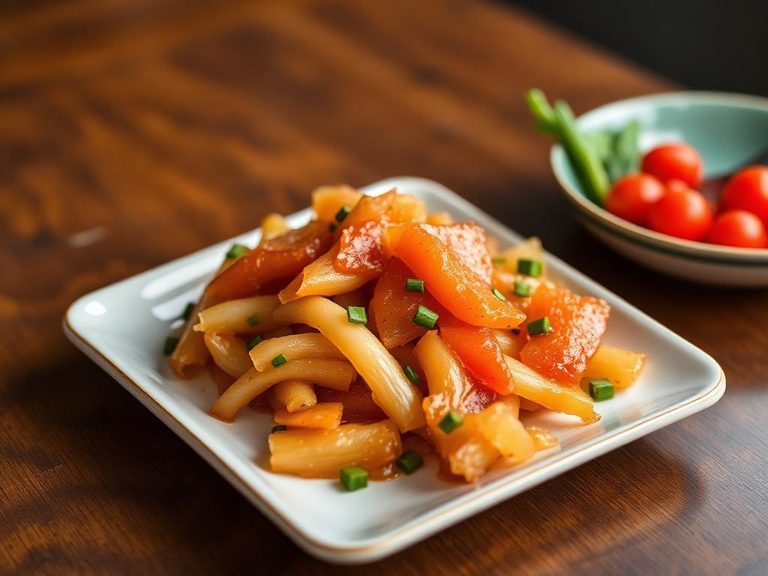
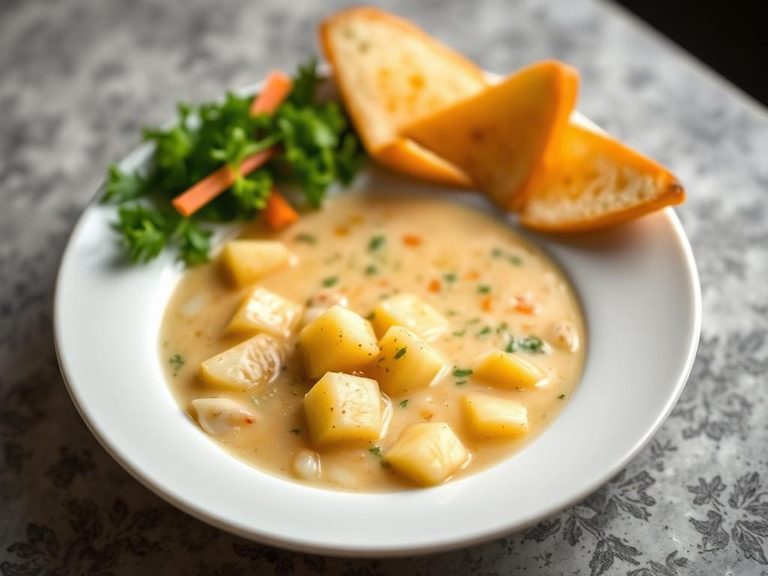
It is often tenderized by pounding, then quickly sautéed, fried, or added to stews and chowders near the end of cooking to prevent it from becoming too tough.
Is oopah sustainable?
When harvested according to traditional methods and local regulations, it can be a sustainable part of coastal subsistence diets.
Weight-loss friendliness (composite index)
Energy density 0.67 kcal/g · 70% calories from protein · 0.0 g fiber · 0.0 g sugar per 100 g.
Composite of energy density (Rolls et al., 1999), protein & fiber satiety, minus sugar. A calculated heuristic — ranks satiety-per-calorie, not a clinical measure.