

Mouse nuts, seedlings (Alaska Native)
Whole food · American Indian/Alaska Native Foods

Photo: Wikipedia
Mouse nuts, also known as the seedlings of the wild Alaska potato (Solanum tuberosum), are a traditional, starchy root vegetable harvested by Alaska Native communities. They have a dense, slightly fibrous texture and a mild, earthy flavor reminiscent of a potato but with a subtly nutty finish. Nutritionally, they are a solid source of plant-based protein and complex carbohydrates, providing sustained energy.
Calorie split: 28% protein · 63% carbs · 9% fat
↓ Full nutrition💚 Why it's loved
People love mouse nuts for their hearty, comforting texture and ability to absorb the flavors of broths and stews, making them a staple in subsistence cooking. They are cherished as a direct, nutritious link to the land and traditional Alaskan foodways.
⚠️ Watch-outs & how to enjoy it better
As a high-carb, low-fiber food, it can cause blood-sugar spikes if eaten alone in large portions. To counteract this, pair it with a source of fat or protein (like rendered salmon oil or dried fish) and practice portion control. Always cook thoroughly, as like many wild Solanum species, raw parts contain solanine.
Key benefits
- Good source of plant-based protein (7.3g per 100g).
- Provides complex carbohydrates for sustained energy.
- Low in fat (1.1g per 100g).
- Culturally significant traditional food source.
- Versatile in both savory and hearty dishes.
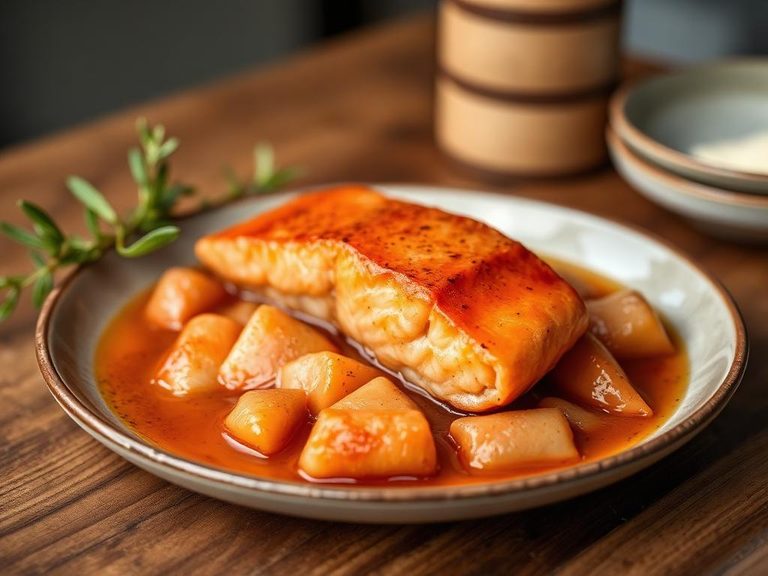
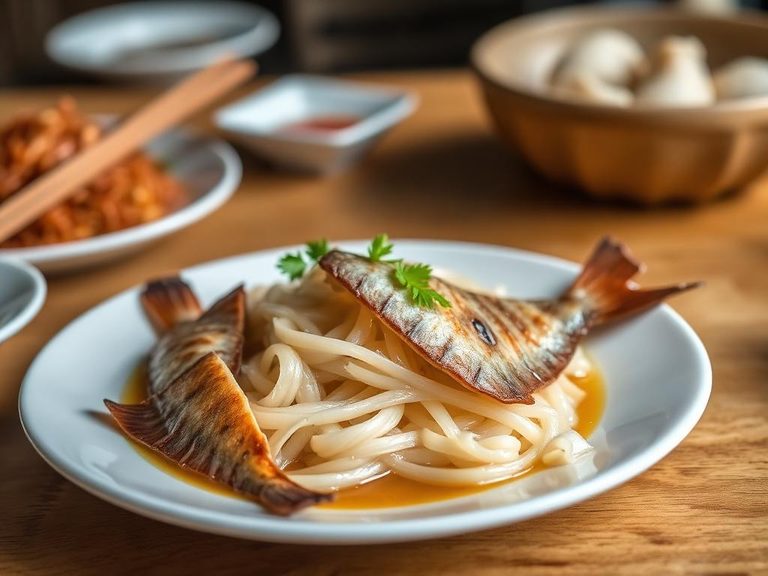
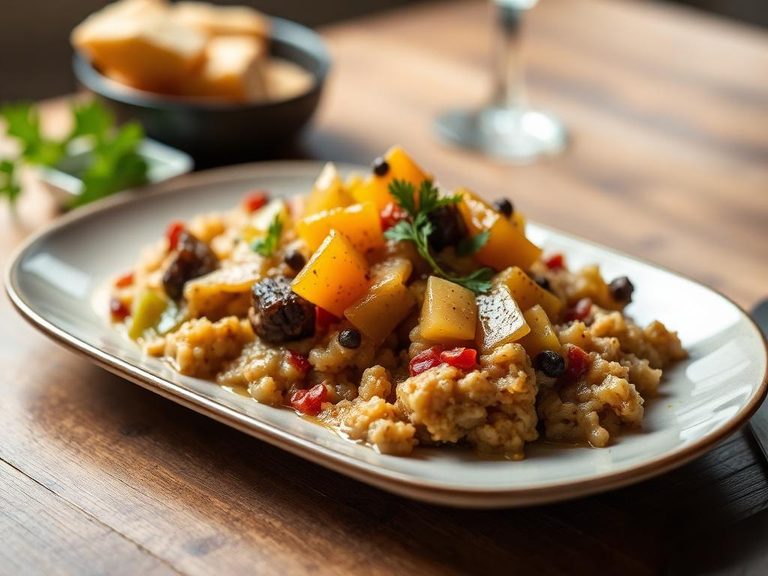
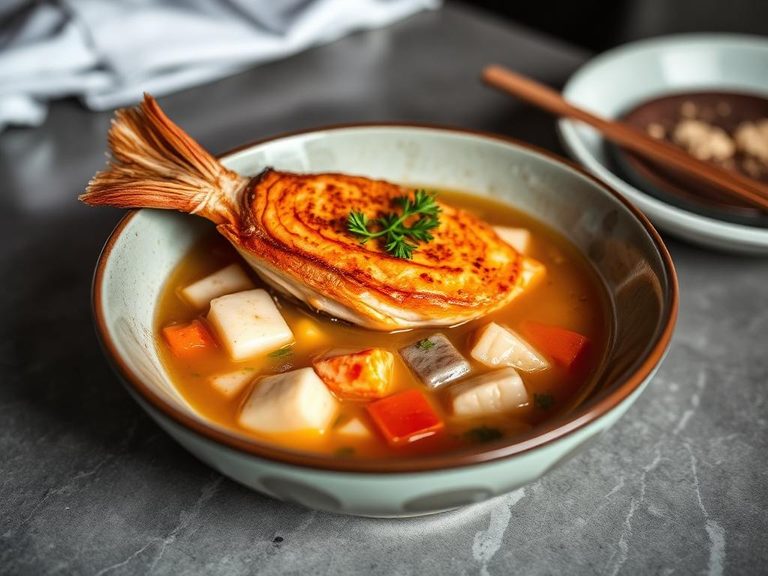
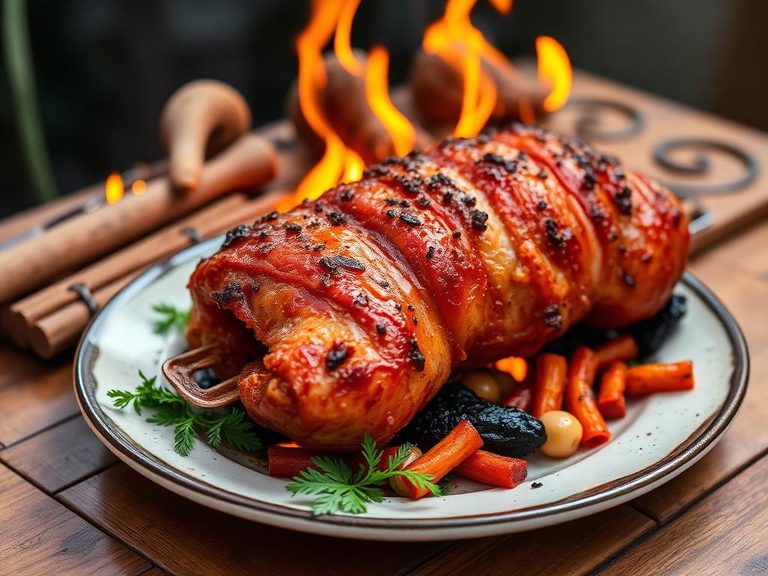
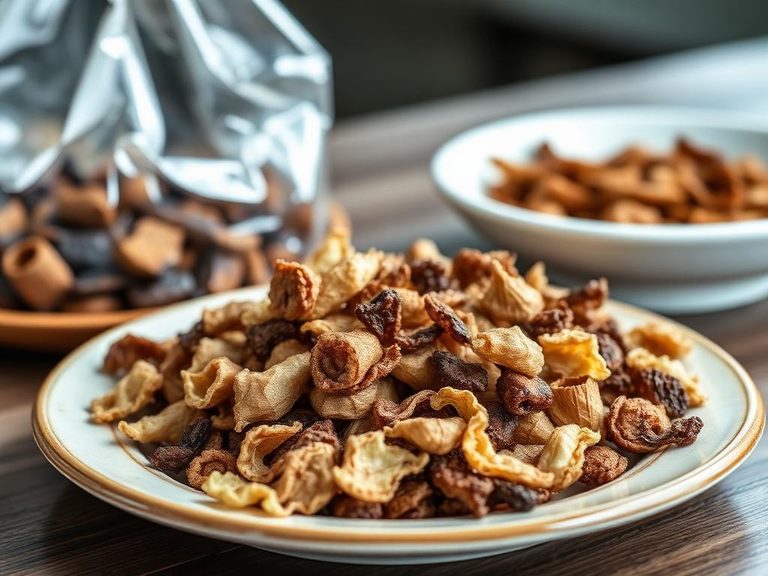
🍽️ Popular dishes
🌍 Where it's eaten
💡 Did you know?
The name 'mouse nut' is a direct translation from the Yup'ik language, where they are called 'tundra potato' or 'mouse food,' reflecting both their growth habit and size.
Full nutrition (USDA data · scales with serving)
| Water | 73.0 g |
| Energy | 104 kcal |
| Energy | 436 kj |
| Protein | 7.3 g |
| Total lipid (fat) | 1.1 g |
| Ash | 2.3 g |
| Carbohydrate, by difference | 16.3 g |
| Calcium, Ca | 17.0 mg |
| Phosphorus, P | 150 mg |
| Vitamin C, total ascorbic acid | 8.0 mg |
| Thiamin | 0.01 mg |
| Riboflavin | 0.14 mg |
| Niacin | 1.0 mg |
FAQ
What does a mouse nut taste like?
It has a mild, earthy flavor similar to a common potato but with a distinct, subtle nutty sweetness and a denser, slightly fibrous texture.
How are mouse nuts traditionally prepared?
They are most commonly boiled, stewed, or roasted. They are often cooked with fish, animal fats, or oils to add flavor and increase caloric density.
Are mouse nuts the same as regular potatoes?
No, they are the seedlings or small tubers of a wild potato species native to Alaska, distinct in genetics, size, and cultural use from the common cultivated potato.
Weight-loss friendliness (composite index)
Energy density 1.04 kcal/g · 28% calories from protein · 0.0 g fiber · 0.0 g sugar per 100 g.
Composite of energy density (Rolls et al., 1999), protein & fiber satiety, minus sugar. A calculated heuristic — ranks satiety-per-calorie, not a clinical measure.